How urban trees change city temperatures with leaf chemistry
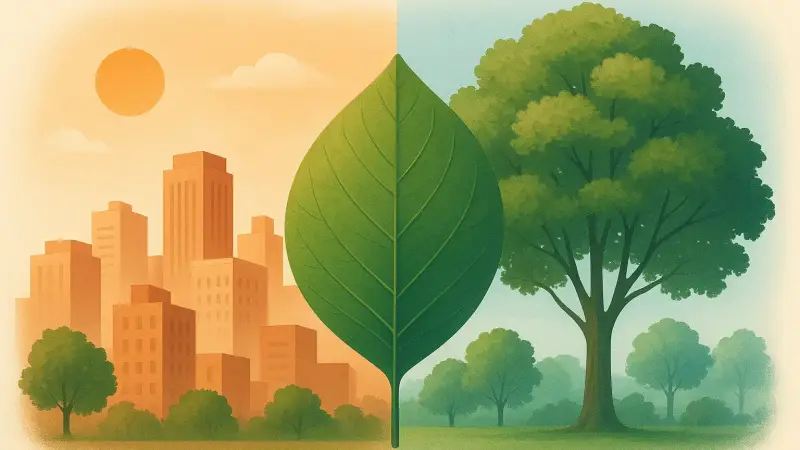
On a hot afternoon in New York City’s Central Park, it can feel a few degrees cooler under a tree than on the sidewalk a block away.

On a hot afternoon in New York City’s Central Park, it can feel a few degrees cooler under a tree than on the sidewalk a block away.
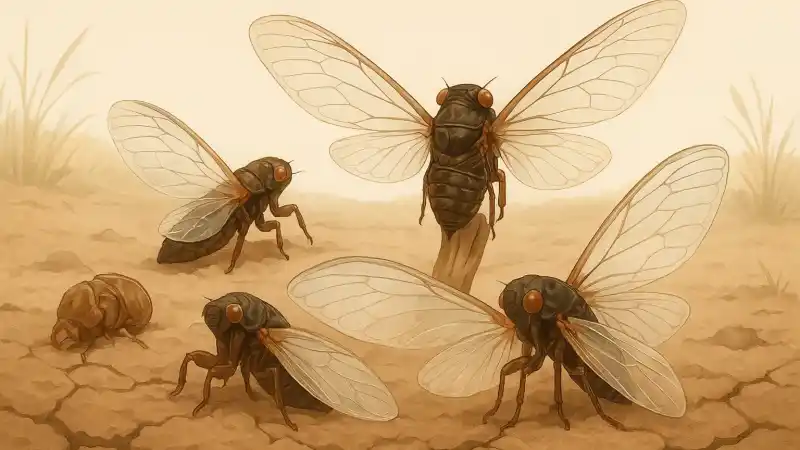
Seeing it after a dry summer People notice it most after a hard dry spell: cicadas crawl out of the soil, climb a fence post, and the new adults look.

Seeing it on the glass On some winter mornings, a window doesn’t just look “frosty.” It looks drawn on.

People hear “male pregnancy” and assume it’s a slogan, not a literal body plan.

Stand near a mangrove at low tide and you can see the problem. The mud is black and soupy. It smells like rotten eggs.

A familiar corner, a strange after-rain pattern After a hard rain, some intersections don’t just shine and steam. They collect things.
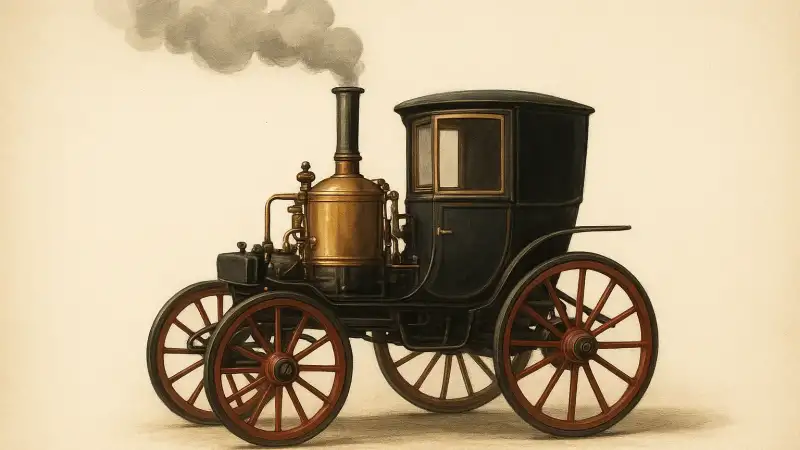
A fairground isn’t built for engines People imagine Victorian fairs as loose, noisy places where anything could happen.
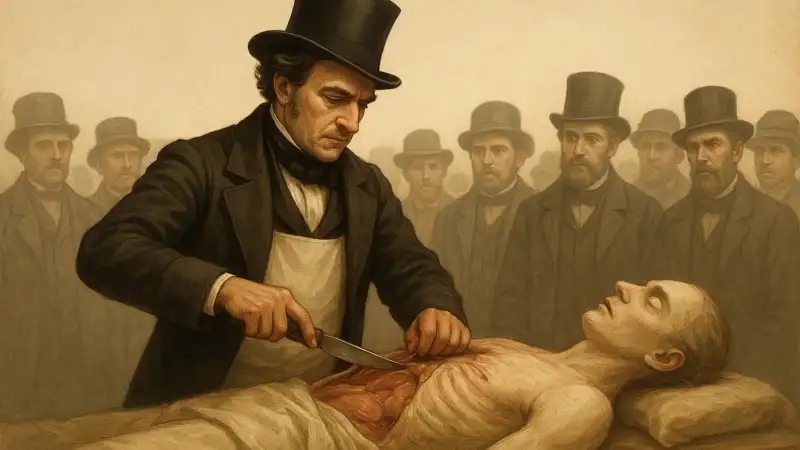
A lecture theatre can feel like a street People picture Victorian surgery as something hidden away.
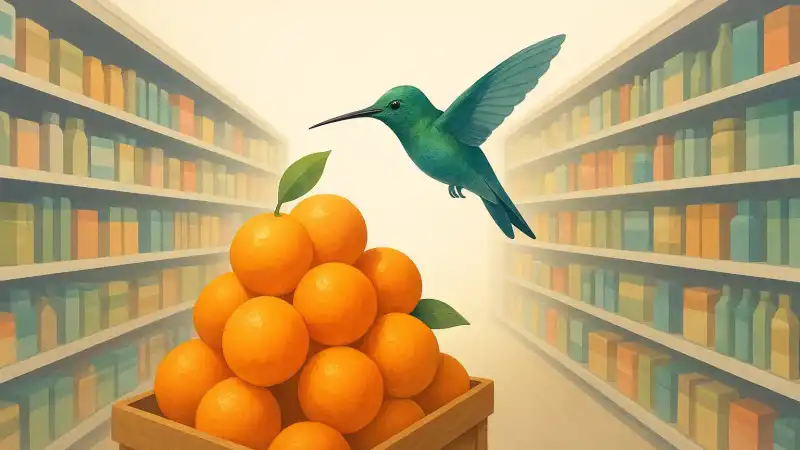
Walking past the same smell every week Some stores seem to have one aisle that always smells faintly like orange or lemon, even when the actual citrus is.
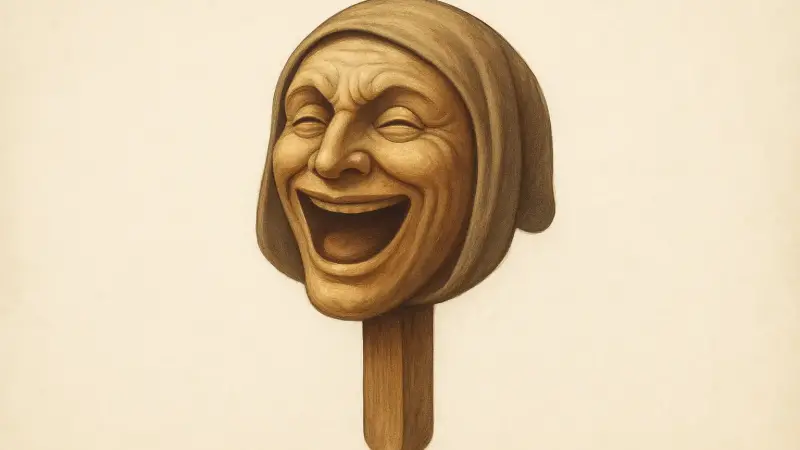
It sounds odd until you picture the scene.