

Why a city would ban gum at all
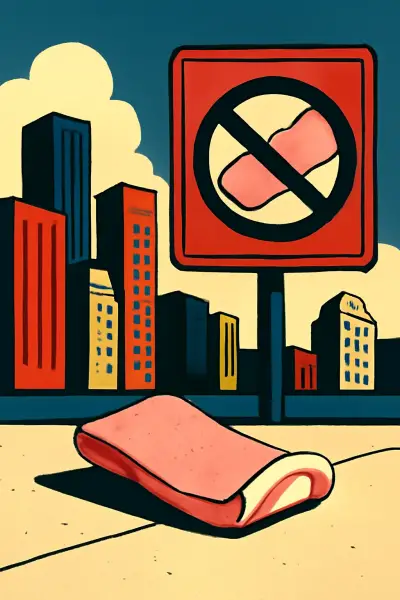
It’s easy to think of chewing gum as harmless until you picture it after it’s been chewed. In Singapore, that exact problem turned into a law. In 1992, the country introduced a ban on the import and sale of chewing gum. It wasn’t about taste or manners. It was about cleanup and damage. Gum stuck to sidewalks, elevators, and train doors is expensive to remove, and it can make public spaces feel permanently grimy.
The part people often overlook is that gum can be more than litter. When it’s pressed into mechanical seams—like the edges of automatic doors—it can cause malfunctions. That’s a very different kind of nuisance from a candy wrapper on the ground, and it helps explain why the reaction got so strict.
What happened in Singapore in the early 1990s
Singapore was building out a high-stakes public transit system, including the MRT. Around that time, officials complained about vandalism and messes that were costly to fix, and gum became one of the symbols of that problem. The ban that followed wasn’t framed as a quirky moral campaign. It was handled like a practical city-management decision, tied to maintenance and order.
It’s also why people remember it so clearly. Many places fine you for littering. Far fewer places cut off legal retail supply of a product because the end state—spent gum—keeps turning into an expensive municipal chore.
How the rule worked on the ground
The ban targeted importation and sale, not the act of chewing itself. That distinction matters. A city can try to police behavior directly, but it’s easier to control what shows up in stores and shipments. Singapore’s approach leaned heavily on that idea: reduce availability, reduce the mess. Enforcement was more about supply than catching someone mid-chew.
Another overlooked detail is that “gum” wasn’t treated as one simple category forever. Over time, the rules made space for certain kinds of gum that were framed as medical or therapeutic. That line—between a casual sweet and something with a health purpose—sounds small, but it’s the sort of legal hinge that changes how a ban feels in daily life.
The later change: nicotine gum and a narrow exception
The policy didn’t stay frozen. In 2004, after a trade agreement with the United States, Singapore allowed the sale of nicotine gum and some other therapeutic dental gums under controlled conditions. The core ban on ordinary chewing gum sales largely remained, but the government acknowledged that not all gum was just a sticky convenience.
That adjustment is easy to miss when people tell the story as “Singapore banned gum.” The real shape is closer to: the state tried to stop a specific, recurring public maintenance problem, then carved out an exception when the product served a medical role and could be distributed in a more controlled way.
Why gum became the symbol, not just the problem
Gum isn’t the only litter that sticks around, but it’s uniquely visible once it’s been ground into pavement. It turns into a long-term stain rather than a single piece of trash. That’s why cities often talk about it in the same breath as “cleanliness,” even when the real headache is labor hours, solvents, scraping tools, and repairs that interrupt public services.
And there’s a social effect. When a place spends heavily on clean sidewalks, polished stations, and working doors, a small, repetitive form of damage feels like someone is refusing to cooperate with the shared space. Gum becomes a shorthand for that tension, which is part of why a policy about maintenance can end up famous as a cultural story.
Related reads
- Why some octopuses stack stones to build dens
- How the immortal jellyfish reverses aging
- The 9th-century pope who put a rival corpse on trial in the Cadaver Synod
- Why the first second after you look feels frozen
- Why it was once illegal to die in Parliament
- The sponge that grows glass skeletons on the ocean floor
If you liked this, you might also enjoy: