
A familiar reflex that disappears
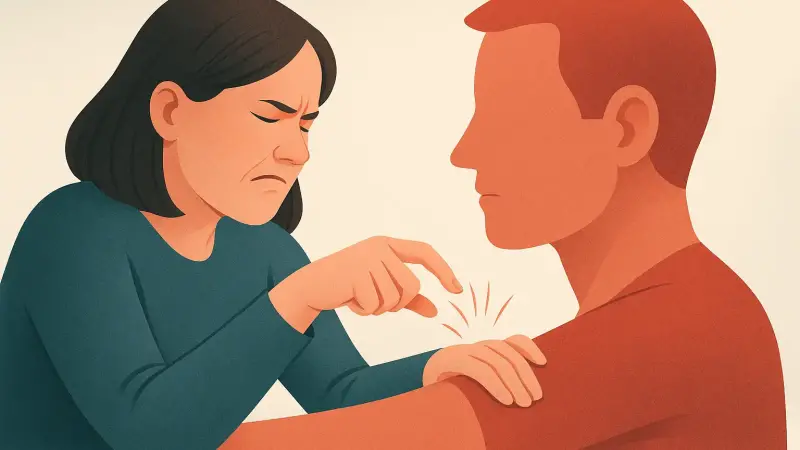
Most people can make a friend yelp with a quick tickle, but their own fingers barely do anything. This is not one single event tied to one place. It shows up everywhere, from schoolyards in the UK to family living rooms in the US to crowded trains in Japan. The basic mechanism is prediction. When the brain sends a movement command to your hand, it also sends a kind of “advance notice” to sensory areas about what touch is about to feel like. That notice makes the incoming sensation less surprising, so it loses the sharp, uncontrollable edge that makes tickling feel like tickling.
The brain dampens sensations it expects
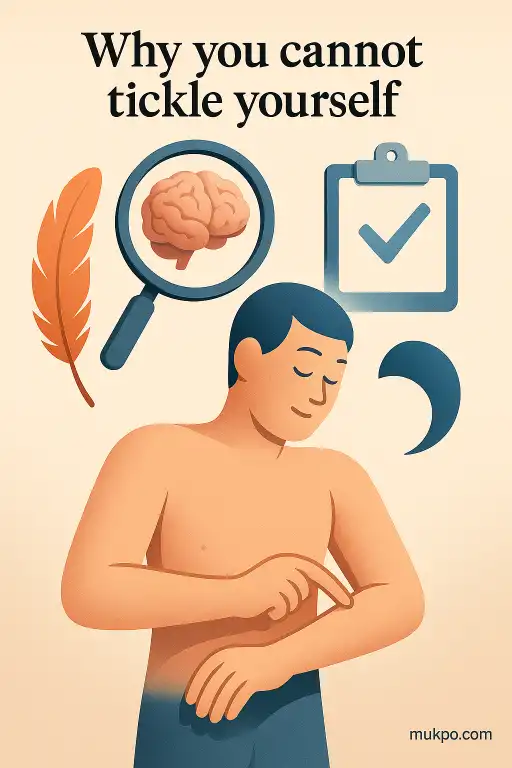
When you move, the nervous system isn’t waiting passively for information. It’s forecasting. A copy of the motor command (often called an efference copy in neuroscience) is used to predict the sensory result: where the skin will be contacted, how strong it will be, and roughly when it will land. If the real touch matches the prediction, the signal gets turned down. It still registers as touch, but it arrives already “explained,” so it doesn’t trigger the same alert reaction.
This sensory dampening is not limited to tickling. It’s part of why clothes stop feeling so intense a minute after you put them on, and why your own footsteps don’t sound as startling as someone suddenly stomping behind you. Tickling just happens to be a clean, funny way to notice the system at work, because the feeling depends so much on surprise and uncertainty.
Tickling needs uncertainty, not just touch
There’s a small detail people often overlook: tickling isn’t one thing. A light brush can feel itchy or pleasant, while a fast, repetitive poke can trigger laughter and a defensive flinch. The second kind depends heavily on not knowing the exact timing and location. Another person’s hand brings tiny irregularities you can’t fully predict. Even if you watch it happening, their micro-movements vary, the pressure drifts, and the rhythm changes. That unpredictability is exactly what your own motor system removes when you control the contact.
That’s also why the same physical touch can flip from “ticklish” to “not ticklish” if it becomes too regular. If the pattern turns steady and obvious, the brain starts predicting it well enough to reduce the reaction. The sensation may stay, but the involuntary burst of laughter and squirming fades.
Why tools and delays don’t fully fix it
People sometimes assume a tool should trick the brain. If the fingers aren’t directly touching the ribs, maybe the body won’t “know” it’s self-made. But the prediction is linked to the command, not to the skin on the fingertip. If you move a feather, a pen, or the end of a back scratcher, the motor system still predicts the resulting sensation on the target area. The touch arrives on schedule, and the sensory system treats it as expected.
Delays can change things, but not cleanly. If the timing is shifted even a little, the prediction becomes less accurate. That can make the touch feel more noticeable or odd. But it still often fails to produce the full tickle response because you’re still the source of the action and still tracking the intent. The brain is good at updating its prediction once it learns the new delay, and the surprise disappears again.
What happens when prediction is weakened
When the brain can’t form a tight prediction, sensations feel louder. One situational example is a sudden involuntary movement: a muscle twitch or an unexpected slip of the hand can create a brief jolt of surprise, even if you were trying to make the movement yourself. The contact is still “you,” but the timing and path weren’t fully planned, so the dampening doesn’t line up as well. The result can feel closer to an external touch.
Researchers have also used lab setups where a person’s movement controls a device that touches them with altered timing or position. The more the system breaks the match between command and sensation, the more the touch starts to resemble something coming from outside. It’s a narrow window, though. As soon as the pattern becomes learnable, the nervous system starts predicting again, and the feeling slides back toward ordinary touch.
Related reads
- What happens to memories overnight when sleep seals them in
- A landlord who quietly reunites tenants with umbrellas left years ago
- A stretch of road where every car alarm triggers at the same milepost
- How decision fatigue makes small choices unravel by dinner time
- Shopkeepers who sell human teeth as good luck charms
- Why boredom sometimes triggers sudden bursts of creativity