
When the same food tastes different
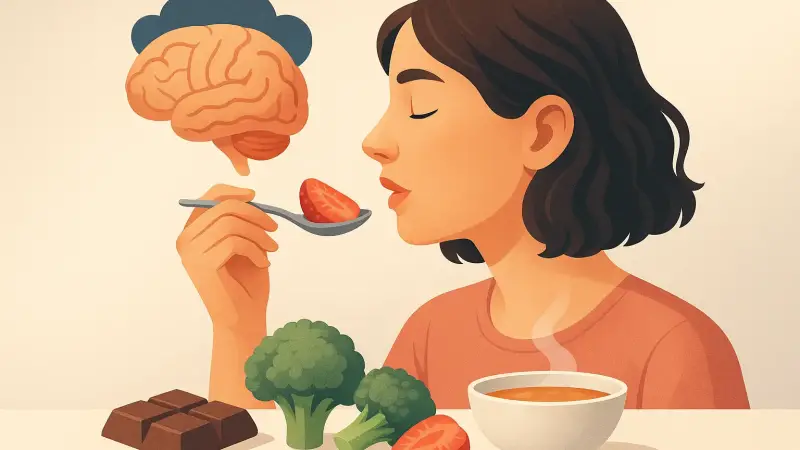
Most people have had a day where coffee tastes harsh, a favorite snack feels too sweet, or a familiar meal seems oddly flat. This isn’t one single place-or-event story. It shows up anywhere people eat under pressure or celebration, from a rushed lunch in New York to a late-night bite in Tokyo to a holiday table in Mexico City. Mood doesn’t “change” your tongue, but it does change the signals your brain gives to smell, attention, and expectation. Flavor is built in the brain from many inputs at once, and mood shifts the weighting. The same bite can land differently because the context inside the body is different.
Flavor is mostly smell, and mood changes smell processing

What people call taste is a blend of basic tastes on the tongue and retronasal smell, which is aroma moving from the mouth up into the nasal cavity during chewing and swallowing. Mood can nudge how strongly those odor signals register. When someone is tense or low, the brain tends to filter sensory input differently, and smell can feel muted or “off.” It’s not always that the nose can’t detect the molecules. It can be that the brain pays less attention to them, or tags them as less rewarding.
A concrete example is the “same pizza, different day” problem. After a stressful commute, the cheese aroma might feel weaker and the saltiness might dominate. On a relaxed weekend, the herbs and browned crust can seem louder. One overlooked detail is breathing. Mood often changes breathing patterns—shorter, shallower breaths when anxious—which can reduce airflow over the olfactory receptors at the exact moment aroma is supposed to bloom.
Stress chemistry can turn down sweetness and turn up bitterness
Emotional states come with body chemistry. Stress commonly involves cortisol and adrenaline, along with changes in autonomic nervous system activity. Those shifts can alter saliva flow and mouth dryness, which changes how fast sugars, acids, and bitter compounds dissolve and reach receptors. A drier mouth can make flavors feel sharper and less rounded. It can also make carbonation feel more aggressive and spicy heat feel more prickly.
There’s also a reward angle. Sweetness is tightly linked to “this is good for me” signaling. When someone feels threatened or sad, the brain’s reward circuits can be less responsive, so sweetness may not feel as satisfying. Bitterness, which the brain often treats as a caution signal, can become more noticeable. That doesn’t happen the same way for everyone, and it varies with sleep, hormones, medication, and even whether someone is fighting a cold.
Expectation and attention quietly rewrite the bite
Mood also changes what the mind expects. If someone is irritated, they’re more likely to notice flaws: a slightly stale chip, a faint burnt note in toast, a metallic edge in tap water. If someone is upbeat, those same small imperfections may not register. Attention is limited, and mood affects where it goes. A distracted person can chew the same food but extract less aroma, because they swallow sooner or chew less thoroughly, which reduces retronasal smell.
This is why a meal eaten during a tense meeting can taste like “nothing,” even when the recipe is unchanged. The overlooked detail here is timing. Flavor unfolds over seconds. If mood speeds the eating pace—short bites, quick swallows—there is less time for volatile aroma compounds to reach the nose, and less time for the brain to build a complete flavor image.
Memory links emotion to flavor, fast
Smell and emotion share close neural pathways, and the brain is quick to bind them. A certain soup can feel comforting because it’s tied to being cared for, while another smell can feel nauseating because it’s tied to a bad night. Mood can reactivate those associations, so the same flavor gets interpreted through a different emotional lens. This isn’t just “liking” or “disliking.” It can change what people report tasting, because the brain is filling in meaning as much as it’s reading receptors.
Sometimes the association is so subtle that people miss it. A specific brand of gum after a dentist appointment, the smell of sunscreen with a stressful trip, the cinnamon note in a drink that reminds someone of a difficult holiday. The food hasn’t changed, but the brain’s context has. That context can make a flavor feel louder, duller, warmer, or harsher before the person can even name what’s different.
Related reads
- Why we unconsciously copy another person’s posture
- The forged papal decree that handed power to emperors and fooled medieval Europe
- Why people keep tiny useless mementos for decades
- Why certain gestures instantly make us trust someone
- The inflatable decoys, fake radio traffic and artists who fooled German reconnaissance in WWII
- A village that counts pets as official residents to boost its population