
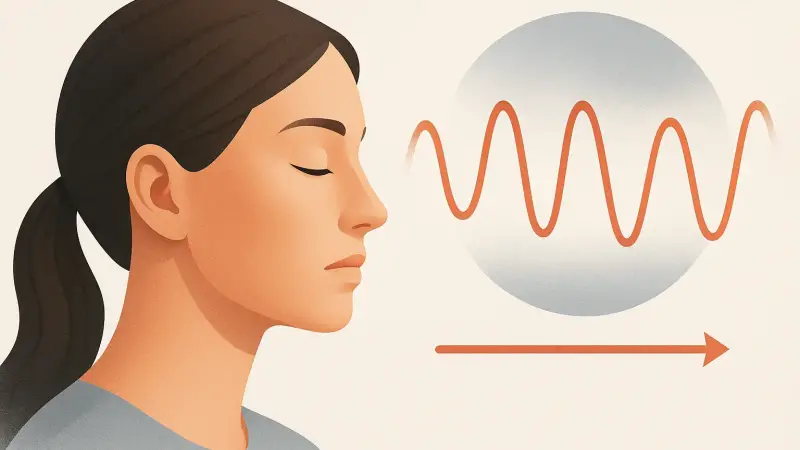
Noticing blinks in the middle of normal life
You usually don’t notice your own blinks until something interrupts them. A tense email. A tricky merge conflict. A long drive at night. This isn’t one single “place” where blink rate matters. It shows up everywhere, from a hospital nurse station to a poker table in Las Vegas to a university lab running eye-tracking studies. The basic mechanism is simple: blinking isn’t just “wetting the eyes.” It’s also tied to attention, arousal, and brain chemistry. When those shift, the timing of blinks often shifts with them. The exact pattern varies by person and situation, which is part of why it’s easy to misread.
What a blink is doing besides lubricating the eye
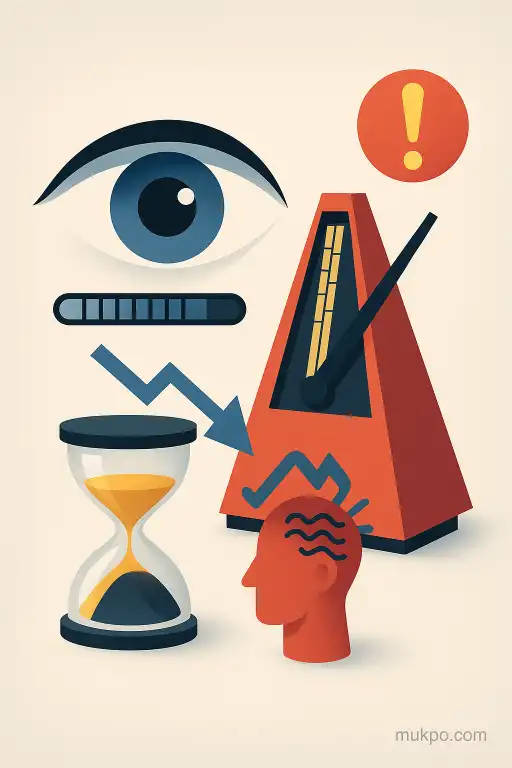
A blink briefly blocks vision. That sounds like a bad idea when the brain cares about what’s in front of you. So blinking tends to happen at “safe” moments, like the end of a sentence while reading, a pause in conversation, or right after you glance from one place to another. People often overlook this timing detail. It isn’t just how many blinks happen per minute. It’s when they land. The brain is constantly negotiating between keeping the cornea comfortable and not missing useful information.
That negotiation sits in a wider system of attention. If attention is strongly locked onto something, blinks can get suppressed for short stretches. In other contexts, blinks increase because the eyes are dry, the air is irritating, or the person is switching tasks rapidly. Lighting, contact lenses, and screen viewing all push the baseline around, even before stress enters the picture.
Attention can quiet blinking, but not in every direction
Focused visual attention often comes with fewer blinks. The classic everyday version is staring at a screen: during demanding moments, people can blink less and then “catch up” in a small cluster when the moment passes. The same can happen when someone is threading a needle, scanning traffic while merging, or watching the ball during a penalty kick. The suppression isn’t a moral sign of concentration. It’s a practical choice by the nervous system to avoid losing visual input.
But attention isn’t one thing. If attention is busy internally—rehearsing what to say, calculating, worrying—blink patterns can change in a different way. Some people blink more during cognitive load that doesn’t require constant visual sampling, like doing mental arithmetic while staring at a blank wall. Others blink less if they’re holding their gaze steady. That’s why a single blink count, taken out of context, can be meaningless.
Stress, arousal, and why blink rate can go up or down
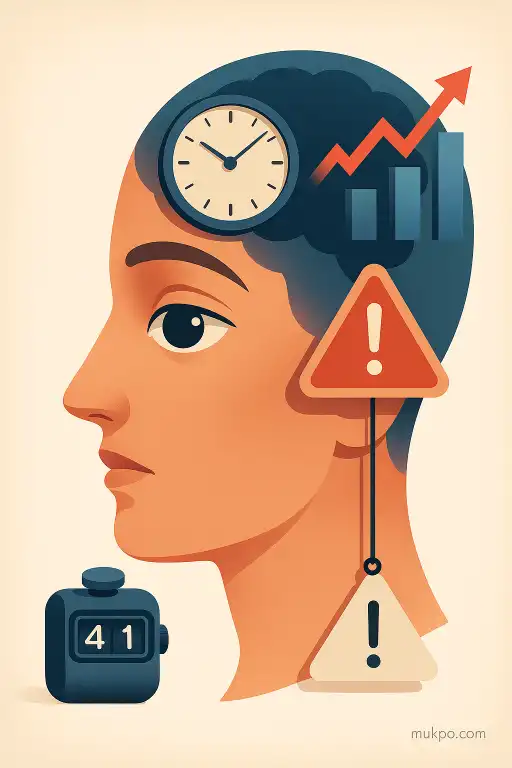
Stress is also not one knob. Acute stress can raise physiological arousal and change muscle tension, breathing, and eye surface comfort. In a dry, air-conditioned room, stress can indirectly increase blinking because the eyes feel scratchier and because facial tension changes the way the eyelids sit. In a high-stakes moment where visual monitoring feels urgent—watching for an oncoming cyclist, waiting for an opponent’s move—stress can suppress blinking for stretches, then produce a rebound later.
There’s also chemistry in the background. Blink rate is linked in research literature to dopaminergic activity, which is one reason it’s sometimes used as a rough proxy in lab settings. “Rough” matters here. Dopamine is involved in motivation, movement, and attention, and it shifts for lots of reasons besides stress. Medications, sleep loss, caffeine, and neurological conditions can all move blink rate around. So a higher or lower rate is not a clean readout of someone’s stress level.
How people misread blinks in real situations
People often treat blinking like a tell. In interviews, interrogations, sales calls, even casual conversations, someone will notice “too much blinking” and quietly decide it means anxiety or dishonesty. That leap is shaky. Blink rate changes with gaze direction, humidity, lighting, and whether someone is looking at a face versus looking at notes. Even the topic matters. A person might blink more while searching for a word, and less while listening carefully, without either state being “stress.”
A concrete example: someone presenting on a video call might blink less while reading a dense slide because the visual demand is high, then blink a lot during the Q&A when they’re thinking and shifting between faces on the screen. The overlooked detail is the transition point. Blinks often pile up right after a cognitively or visually demanding segment ends. If you only notice the pile-up, you miss the earlier suppression that set it up.
Related reads
- Why your taste changes with your mood
- Why we unconsciously copy another person’s posture
- The forged papal decree that handed power to emperors and fooled medieval Europe
- Why people keep tiny useless mementos for decades
- Why certain gestures instantly make us trust someone
- The inflatable decoys, fake radio traffic and artists who fooled German reconnaissance in WWII