
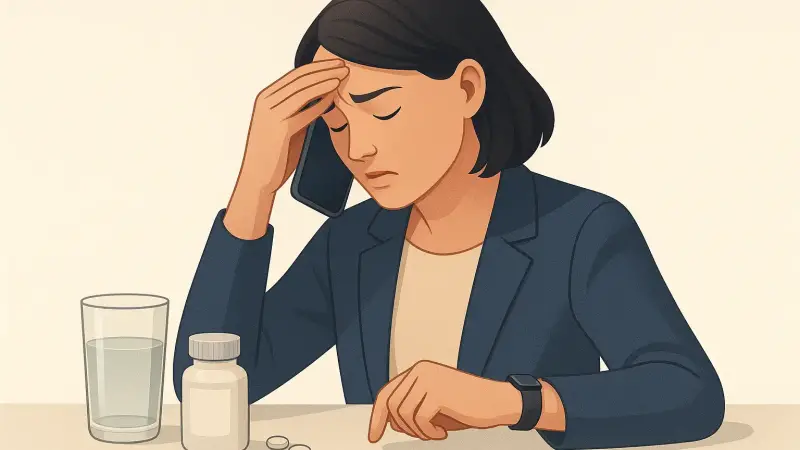
The pause before the phone even rings
It isn’t one single scene that explains this. It shows up in lots of places and contexts: a nurse calling a family member from an NHS ward in the UK, a customer returning a disputed charge to a bank call center in the US, a tenant phoning a letting agent in Ireland. Before the call, people often do tiny automatic things without noticing. They clear their throat, re-read a note, open and close an app, adjust their posture, stare at the call button. The core mechanism is simple. A stressful call compresses uncertainty into a few minutes, and the body tries to create a feeling of readiness fast.
One overlooked detail is how often the hand holding the phone goes still while the other hand gets busy. The free hand taps, picks at skin, scrolls, or smooths fabric. It’s like the body splits the job: one part stays ready to “perform,” and the other part burns off extra energy.
Micro-movements that buy a sense of control
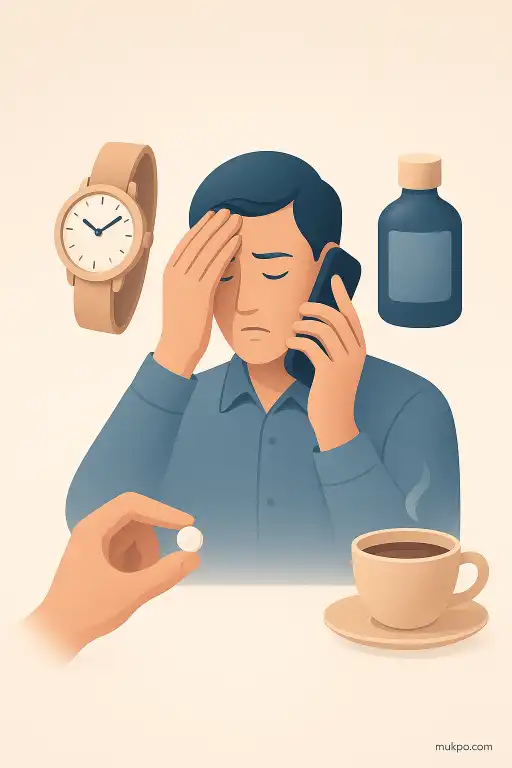
A lot of the pre-call actions are about control, but not in a big, planned way. People straighten up in the chair, then slouch, then straighten again. They re-position the phone in their hand. They check the signal bars or the battery even when they know it’s fine. These are small, low-cost actions with a clear “done” feeling, which matters when the actual conversation feels messy and unpredictable.
Some of it is also “environment editing.” People lower the volume on the TV, shut a door, move closer to a window, or step into a hallway. That isn’t just about hearing. It’s about narrowing the world down so the call feels less exposed. Even when nobody else is listening, many people behave as if they might be overheard.
Rehearsal without calling it rehearsal
Right before dialing, people often mouth a first sentence or silently run it in their head. Not the whole call. Just the opening line. “Hi, I’m calling about…” or “I need to talk to you about…” Openers carry a lot of weight because they set the tone and signal confidence. The strange part is how narrow the rehearsal can be. Someone might practice the greeting five times and still have no plan for the second question they’ll be asked.
This is where props appear. A person might write three bullet points on a sticky note, then keep re-ordering them. They might open an email thread, highlight a date, and still not read the content. They might pull up a calendar they’ve already checked. These actions look like preparation, and they are, but they’re also a way to keep the finger off the call button for a few more seconds.
The body’s quick reset attempts
Stress shows up in the throat, chest, and jaw, so the pre-call routine often hits those areas. People swallow, clear their throat, lick their lips, or do a quick cough that’s more about sensation than sickness. They press their tongue to the roof of the mouth. They unclench and re-clench their jaw. It’s common to see a long inhale through the nose and a short exhale, which is the opposite of the slow breathing people imagine they’ll do.
There are also posture tells that happen fast. Shoulders rise, then drop. Someone scoots forward to the edge of a chair as if getting ready to stand. They might stand up, pace two steps, then sit again. None of this has to be deliberate. It’s the body trying to find a position that feels steady enough to talk while the nervous system is leaning toward action.
Social performance, even when nobody can see it
Phone calls feel private, but people often treat them like a tiny stage. They adjust their face before speaking. They smile briefly, then wipe it away. They practice a neutral expression. This happens even though the other person can’t see it, because facial posture changes the voice. A raised smile can make someone sound more cooperative. A tightened mouth can make them sound firm or defensive. The body seems to “dress” the voice using the face.
There’s also a subtle timing habit: many people hit “call,” then immediately look away from the screen during the first ring. Not always, but often. It’s a small escape hatch from the moment of commitment, like not wanting to watch the decision happen. Then, as soon as the call connects, attention snaps back and the rehearsed first line appears.
Related reads
- Why some alarms leave you groggy while others snap you awake
- Matchstick miniatures an abandoned loft hiding a tiny carved town
- How your eyes pick one face to follow in a crowded scene
- Why your hands fidget when you’re trying to think
- A museum that displays thousands of anonymous lost keys
- When London went blind: the January 1952 smog that stopped Parliament and remade urban life