
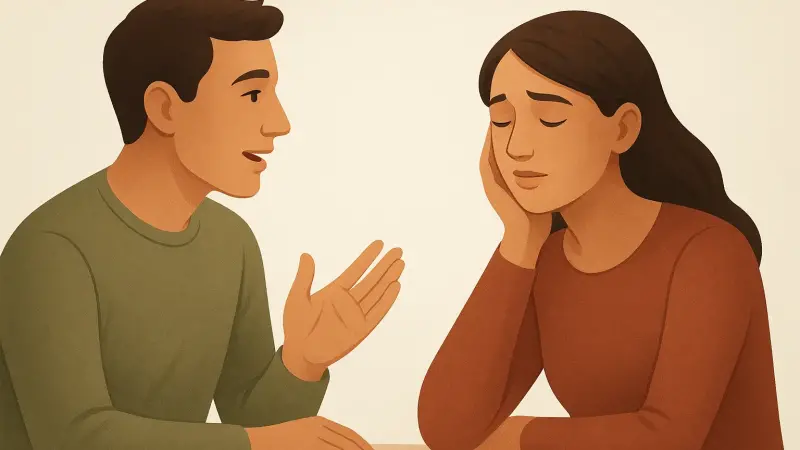
That oddly tired feeling after a pleasant chat
It’s not one specific event or place. It can happen after chatting with a neighbor in a New York elevator, making polite conversation at a London office coffee machine, or trading a few friendly lines with a cashier in Tokyo. The strange part is that the interaction can be genuinely nice, even funny, and still leave a person feeling wrung out. The core mechanism is that small talk asks for constant real-time choices: what to reveal, what to hold back, how to match the other person’s tone, and when to end without making it awkward. Enjoyment doesn’t cancel the work. It sometimes adds pressure to keep it going.
A lot of fast social decisions happen at once
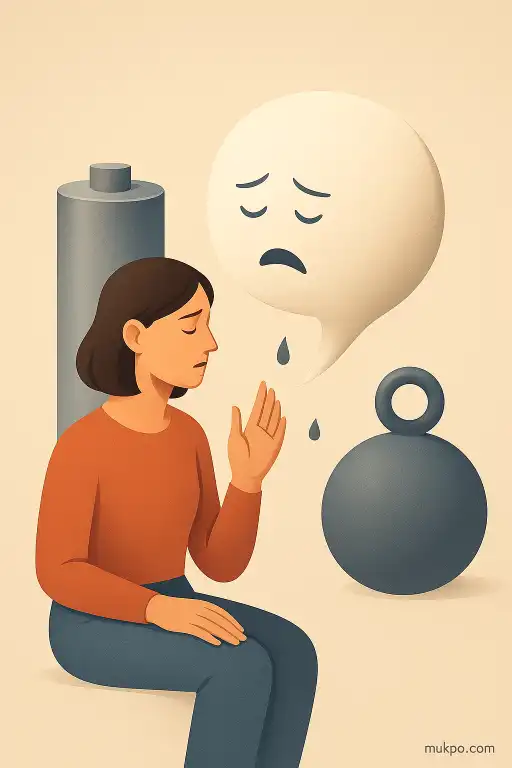
Small talk is light on content and heavy on monitoring. People track facial expressions, timing, volume, and whether the other person is leaning in or edging away. They also run quick predictions: Is this joke too familiar? Is that detail too personal? Should they ask a question or let a silence land? Those micro-decisions stack up because the talk is improvised. Even when the topic is simple, the management isn’t.
One overlooked detail is turn-taking. In casual conversation, the “right” gap between speakers is narrow, and it varies by culture, setting, and relationship. Too fast can feel like interrupting. Too slow can feel like disinterest. Many people are quietly counting beats in their head while also listening, which makes the listening feel less like rest and more like juggling.
The same brain systems used for performance get involved
Because the stakes are social, even minor ones, the body can treat small talk like a low-level performance. The goal is not just exchanging information. It’s coming across as warm, normal, and easy to be around. That pulls attention toward self-monitoring: posture, eye contact, whether the smile looks natural, whether the tone sounds too flat. Self-monitoring is effortful, and it can feel surprisingly similar to the mental load of presenting or interviewing, just compressed into tiny moments.
That’s why enjoyment doesn’t guarantee refreshment. Laughing along can raise arousal. Being “on” can feel good and still cost energy. The body doesn’t neatly separate “fun” from “output.” It often responds to both with the same ramped-up readiness.
Light topics don’t mean low emotion
Small talk is often treated as content-free, but it does quiet relational work. People are signaling friendliness, respect, shared reality, and sometimes a wish to be left alone without saying it. Even a short exchange about the weather can carry tiny questions: Are we equals here? Are we familiar or formal? Are we open to more conversation later? If the relationship is unclear—new coworker, neighbor you recognize but don’t know—those questions stay active the whole time.
A concrete example is the office kitchen chat when someone asks, “How was your weekend?” A person can enjoy the question and still have to decide, in seconds, how honest to be. Mention the breakup, or keep it to a movie? Mention the family visit, or avoid inviting follow-up questions? The topic looks trivial. The filtering is not.
Context makes the drain stronger or weaker
Where the conversation happens changes the cost. A loud bar forces extra effort just to hear, plus more exaggerated facial and vocal cues so the other person can read the interaction. A hallway at work creates a moving time limit, so both people are scanning for the “natural” exit line while still acting engaged. In group small talk, the load jumps again because attention has to rotate: tracking who has spoken, when it’s acceptable to jump in, and whether a comment will land with the whole group or only one person.
Even tiny physical details matter. Standing while holding a bag, balancing a coffee, or being half-turned toward an elevator door makes the body feel ready to leave, while the conversation asks it to stay. That mismatch can make a friendly exchange feel like effort from the first minute, even when both people are enjoying themselves.
Related reads
- The tiny breathing rhythm that can quiet a sudden panic spell
- Why people speed up their speech when they’re trying to impress
- Villages where residents race souped-up lawnmowers for a day of chaotic fun
- Tiny houses carved inside walnut shells that collectors pay a surprising sum for
- How a stolen bucket set two medieval Italian city-states on a year-long bloody feud
- Why your stomach knots before speaking and what that sensation signals