
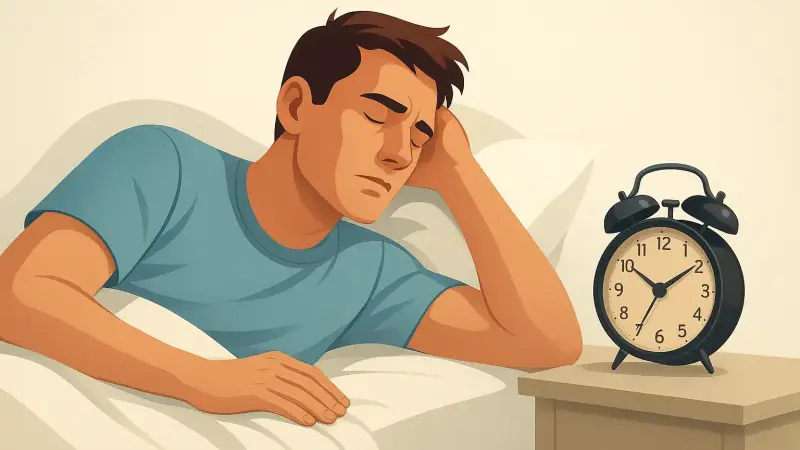
That weird moment of waking up at 6:58
It doesn’t happen in one single place or culture. People mention it in New York, London, and Tokyo, and it shows up whether the alarm is a phone, a clock radio, or a smartwatch. You go to bed needing to be up at 7:00, and your eyes open a minute or two before the sound. The core mechanism is that sleep isn’t a flat, uniform state. It’s a shifting pattern the brain and body keep time with, and anticipation can nudge that timing. Even the small detail of how bright the room gets near morning can matter more than people expect.
Sleep comes in cycles, and some minutes are “lighter” than others
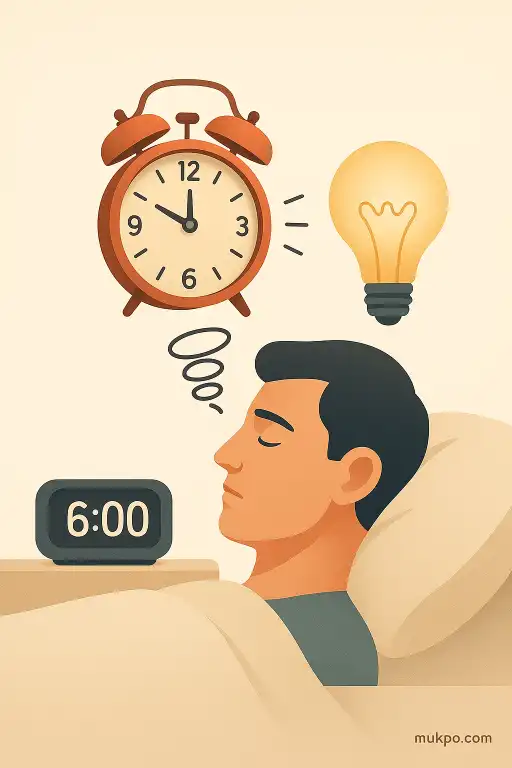
Across the night, sleep moves through repeating stages. Some stages are deep and hard to wake from. Others are lighter, where small changes—movement, a creak, a temperature shift—are enough to bring you closer to waking. If the alarm happens to land near a lighter point, waking just before it is simply more likely. It can feel like perfect internal timing even when it’s just a good match between the alarm time and where the body is in a cycle.
A specific thing people overlook is how often they partially wake and forget it. Brief “micro-awakenings” are normal. They may last only a few seconds. If one of those occurs at 6:57, the person might surface into full wakefulness and then notice the clock, creating the impression that the body “knew.” On other mornings, the same micro-awakening happens and the person drifts right back down and never remembers it.
Expectation can shift the body toward waking
When someone has a reason to wake at a certain time, the brain often treats it like a pending task. That changes arousal systems during the later part of sleep. Stress and responsibility can amplify it, but it doesn’t have to feel dramatic. The body can begin preparing for wakefulness: heart rate trends upward, sleep becomes a bit lighter, and the threshold for waking drops. So the last hour can become more fragile than the earlier night.
This is also why the effect is inconsistent. If the wake time matters a lot on Tuesday and barely matters on Saturday, the level of anticipation isn’t the same. If the person set two alarms “just in case,” that can change expectation too. It’s not that the mind is perfectly measuring minutes. It’s that the system is easier to tip into waking when it’s on alert for a deadline.
Light, temperature, and noise often move first
Before an alarm ever rings, the environment usually shifts. Outdoor light increases, especially in rooms without blackout curtains. City noise picks up. Heating systems cycle. Even small changes can pull someone closer to the surface. A common situational example is waking a few minutes early in a bedroom where morning sun reaches the pillow, then noticing the alarm is still silent. The body didn’t guess the exact time. The room got louder and brighter, and sleep was already trending lighter.
Temperature is a quieter factor that gets missed. Near morning, many people’s bodies drift toward warming. At the same time, a room can cool if the heating turns down overnight. Those opposing shifts can create restlessness, more turning, and more brief awakenings. If the alarm is set for the same time most days, that repeated pairing can make those natural environmental cues feel like a countdown.
Time cues inside the body aren’t exact, but they’re not random
The body runs on circadian timing. It’s influenced by light exposure, meal timing, and routine. Hormones that support alertness tend to rise toward morning, and the brain becomes more ready to wake. That readiness is not a stopwatch. It’s a slope. Still, when a person keeps a stable schedule, that slope often lines up with the usual alarm window, which makes “just before” feel strangely consistent.
The confusing part is memory. People remember the mornings when they wake at 6:58 and feel impressed. They rarely catalog the mornings they wake at 3:40, glance at the clock, and fall back asleep. They also don’t remember the mornings they sleep straight through until the alarm yanks them out. The brain keeps the story that feels meaningful: waking right before a sound that was about to happen anyway.
Related reads
- A boutique hotel made from a 19th century prison where guests sleep in cells
- A bakery that once stamped local advertisements directly onto loaves of bread
- Why small talk can feel draining even when you’re enjoying it
- The tiny breathing rhythm that can quiet a sudden panic spell
- Why people speed up their speech when they’re trying to impress
- Villages where residents race souped-up lawnmowers for a day of chaotic fun