
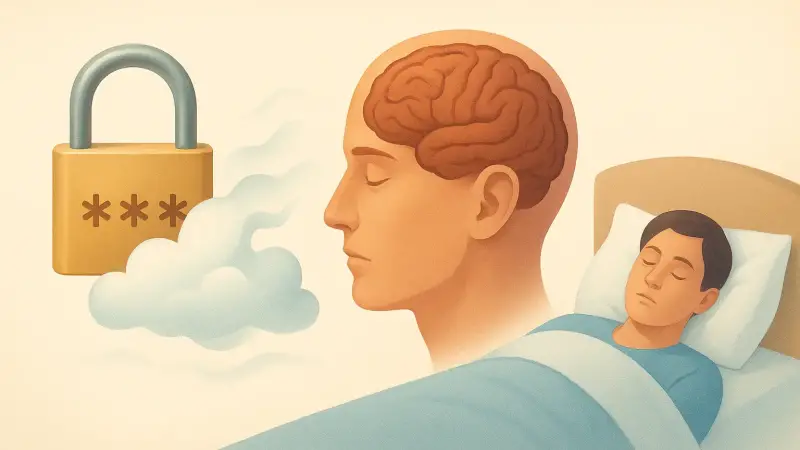
The strange speed of forgetting
You change a password at 3 p.m. for Gmail, your bank, or a work VPN, and by bedtime it’s gone. Not fuzzy. Gone. This isn’t one single event in one place. It happens anywhere people are forced to update logins, from offices in the U.S. to universities in the U.K. to apartment living rooms in India. The core mechanism is simple: the new string never gets a strong foothold in long-term memory. It’s often learned under pressure, rehearsed a few times, then immediately replaced by other tasks. The brain treats it like temporary scaffolding, not like something worth storing.
Short-term memory is built for “right now”
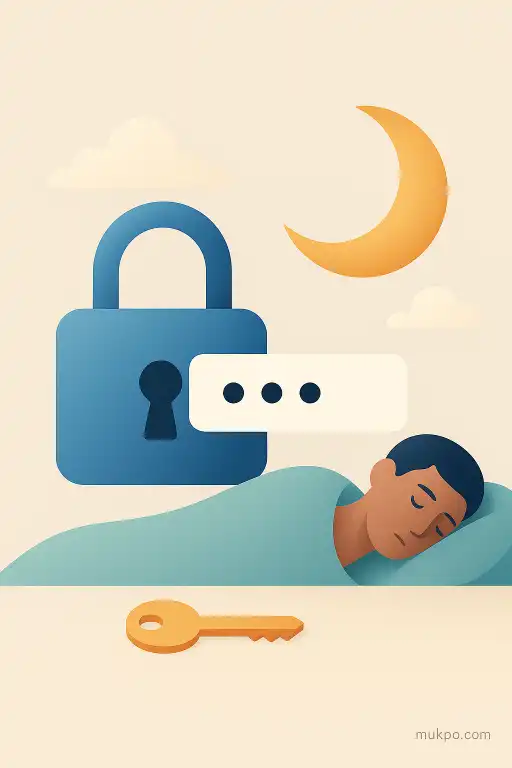
Right after the reset, the password sits in working memory. That system is great for holding a small amount of information for seconds to minutes. It’s also fragile. A meeting, a text, a quick scroll, even figuring out where you left your keys can push the new string out. A password is especially vulnerable because it’s usually not meaningful. It doesn’t connect to a story, a place, or an image the way a person’s name might.
A specific overlooked detail is how often the first successful login tricks people into stopping rehearsal. The moment the site lets you in, the brain gets the “task complete” signal. Attention drops. That’s exactly when consolidation would need more repetitions or spacing. Instead, the day moves on.
Interference: the old password keeps fighting back
The old password doesn’t disappear just because it’s invalid. It has history. It has motor memory in the fingers, especially on a phone keyboard. When the new one is similar—maybe one character changed, or a new symbol added—memory can blend them. This is classic interference. Older learning blocks newer learning, and newer learning can also muddle older learning. In the moment of logging in at night, the brain often reaches for the most practiced pattern, not the most recent one.
People notice this when they’re sure they typed it “the same way as earlier” and still get rejected. Sometimes they are typing the older version without realizing it. Sometimes they’re mixing parts: the new first half with the old ending, or the new number with yesterday’s symbol. Similarity makes the confusion worse.
Passwords are learned in bad conditions
Most password changes happen at awkward moments: a forced reset prompt five minutes before a call, a locked account while paying a bill, a “your session expired” message while traveling. That state matters. Stress narrows attention. Divided attention reduces encoding. The brain stores a thinner trace when it’s trying to juggle the reset rules, the confirmation field, and the fear of being locked out.
A concrete example looks like this: someone updates a work account on a laptop at 4:45 p.m., logs in once, shuts the lid, and later tries to check email on their phone in bed. The phone keyboard feels different. Autocorrect habits and thumb positions change. Even the act of hiding characters behind dots removes feedback that could help detect small mistakes. The memory was already weak, and now the retrieval conditions don’t match the learning conditions.
Sleep doesn’t “save” what never got stored
Sleep can support consolidation, but it doesn’t magically preserve every new detail from the day. If the password was only held briefly and never encoded well, there’s not much to consolidate. And bedtime retrieval is often a perfect storm: fatigue lowers working memory, and the brain leans more on habits. That pushes it toward the old password again.
Another quiet factor is how modern systems multiply passwords. A person may reset one for an email account, then immediately update it in a password manager, then face a second reset for a banking app. Each new string competes for the same limited mental space. By night, what’s easiest to retrieve is the familiar pattern, not the thing created hours earlier under a timer and a rule list.
Related reads
- The museum that celebrates the worst paintings ever made
- The postman who delivers mail by zipline in a mountain village
- The pocket watch found fused inside an old oak’s heartwood
- The tiny hesitations that make someone come across as more trustworthy
- Why the face in the mirror can look like a different person after a haircut
- The river that briefly runs neon green after a festival dye washout