A bar tab that wasn’t cash
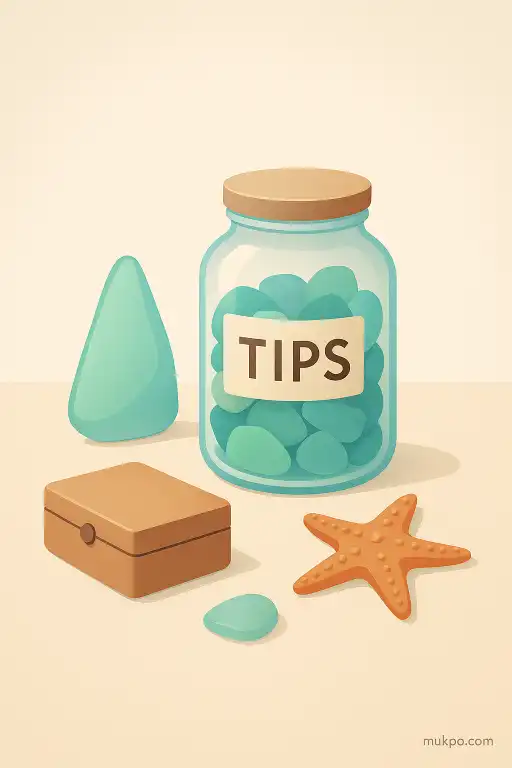
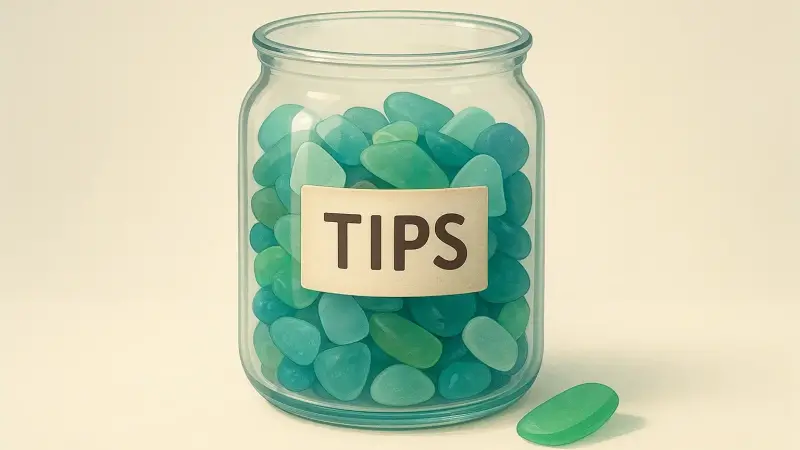
People sometimes tell a story about a coastal bar where the tip jar didn’t fill with coins. It filled with sea glass picked up at low tide. There isn’t one clearly documented “the” bar tied to a named owner, a specific year, or a verified news report, and details vary depending on who’s telling it. But the mechanism stays consistent across versions. Regulars who didn’t have much cash would bring small pieces of glass tumbled smooth by the sea. Staff would accept them as gratuity, then sort and sell the better pieces later, or trade them locally for something of real value.
Why sea glass can act like money
Sea glass looks like trash until you’ve tried to find truly good pieces. Most of what turns up on a beach is sharp, frosty, or too common to bother with. The “rare” part matters because it creates a rough price system without anyone printing a price list. Deep cobalt blue, true red, and some amber tones tend to be treated as scarce. So do certain thicknesses that suggest old bottle glass rather than modern drink containers.
What makes it work socially is that the object carries its own proof of effort. You can’t grab a pocketful in five seconds unless the beach is unusually productive. Low tide also puts a clock on it. People show up when the water pulls back, they hunt, and they return with a few pieces that feel “earned,” even if nobody can say exactly what each one should be worth.
The overlooked detail: condition beats color
A detail people miss is how picky collectors and resellers can be about the finish. A bright color helps, but the surface matters more than most casual beachcombers realize. Even in places famous for sea glass—like Seaham in England, parts of California’s coast, or beaches in Nova Scotia—serious buyers usually pay for pieces that are evenly frosted, well-rounded, and free of chips. A “rare” color with a sharp edge can be treated as basically worthless compared to a common green that’s perfectly tumbled.
That’s why these stories often include a back-room sorting routine. Someone behind the bar separates the tips into categories: display-worthy pieces, craft-grade pieces, and the rest. The bar isn’t really being paid in decorative pebbles. It’s being paid in a small inventory that only becomes money after the staff does extra work.
How it would play out on a real shift
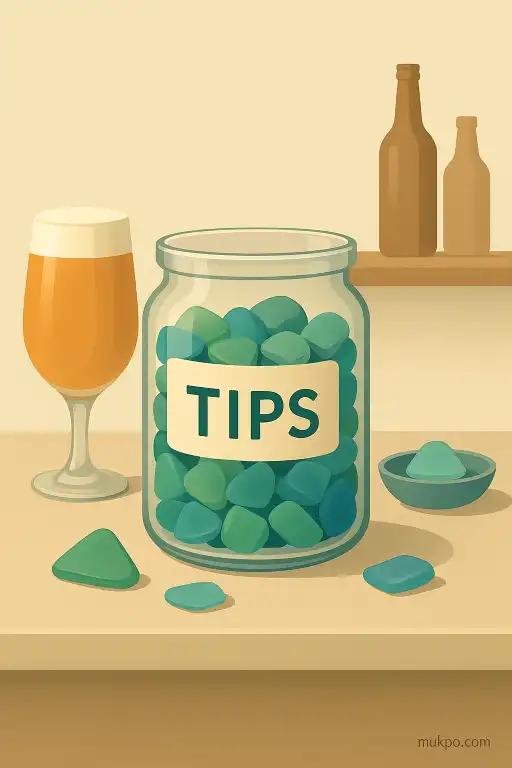
Imagine a quiet weekday service at a harbor pub. A regular orders a couple drinks, then slides a few sea-glass fragments across the counter instead of leaving coins. The bartender recognizes the beach look—salt haze, rounded edges—and tosses them into a container under the register. Nobody stops the room to negotiate. The “rate” is informal and memory-based. If the person is known, the glass is trusted to be beach-found rather than craft-store tumbled.
The next day, someone checks the jar in good light. Pieces that look artificially polished, or still too clear, may get set aside. The good pieces get rinsed and dried. Some might end up in small lots sold at a weekend market, swapped with a local jeweler, or used in the bar itself for decor that quietly advertises the whole practice. The tip only becomes legible value once it’s cleaned, sorted, and matched to what local buyers want.
What makes the story stick
Sea glass sits right on the line between found object and commodity. It’s also tied to a specific ritual: walking the shore at low tide, scanning for unnatural color, bending down for something tiny. That ritual gives the tip emotional weight. It feels personal in a way a few coins don’t. And it’s easy to picture a coastal bar adopting it without paperwork, especially in a small place where staff and regulars know each other.
It also carries a quiet contradiction that people like repeating. Sea glass exists because of old waste—bottles, ship cargo, shoreline dumping—yet it can end up treated like a little treasure. A bar that accepts it as gratuity turns that contradiction into a routine transaction. It’s a tip that looks like nothing until you’ve held enough pieces to notice which ones almost never show up.