

“`markdown ## A simple question about who turns on the lights
Most outdoor lights work the same way: someone flips a switch, or a timer decides when to shine. So what actually triggers a lamp if it only turns on for neighborhood cats? In places like Osaka, Japan, and select residential blocks in Berlin, residents have noticed unusual streetlights that ignore people and cars but flicker on when cats appear underneath. This strange pattern raises questions. How does such a light know the difference between a walking person and a slinking cat?
How do these sensors even work?
Standard streetlights often use motion sensors to save energy. Most detect movement using infrared, picking up heat changes from living bodies. But they're typically tuned to larger heat signatures, which means small animals pass by without activating anything. In parts of Tokyo, technicians have experimented with adjusting these sensors, setting sensitivity specifically to the body heat and movement patterns of animals lighter than ten kilograms. The trick is in customizing the sensors to trigger at a narrow range of mass or height.
Why care about cats, not people?
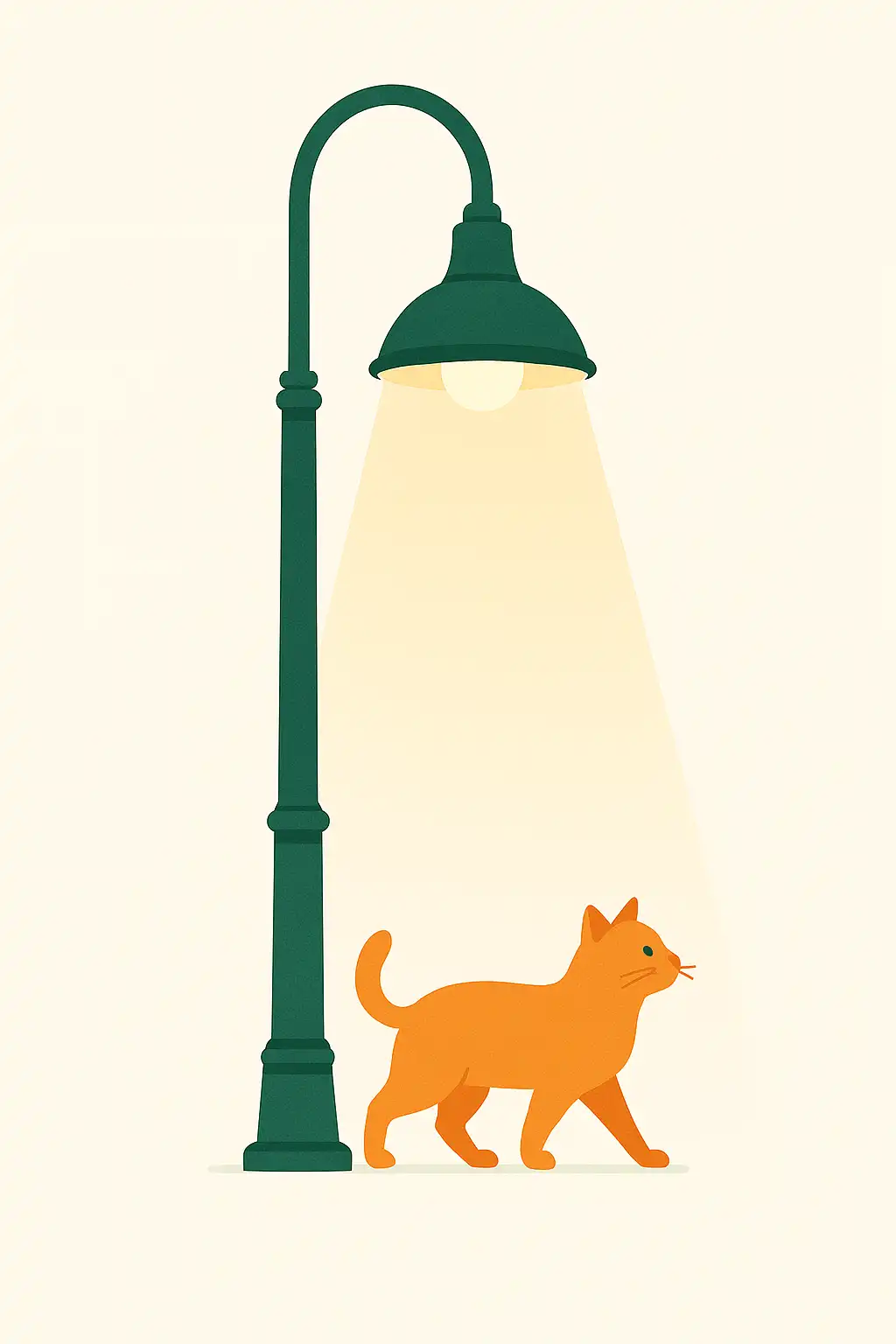
There are several reasons someone might want a lamp that lights up only for cats. In some alleyways of Istanbul, where stray cats are common and often cared for by locals, a few residents have quietly added lighting to help cats find food they've left out. Since people walking home have no trouble seeing by city light, only animals going beneath the sensor need a moment of brightness. Cat-only lighting can also prevent nightside disruptions for apartment dwellers who don't want a bright security light every time someone passes their window.
Can cats notice or use these lights?
Most cats barely seem to register when the ground around them glows unexpectedly. That said, some cat owners in Seoul have said their pets start using the same lit paths at night, especially if the light appears predictably. In several back alleys with these specialized lamps, it's common to see a pause—a brief tail flick or half-turn—before a cat continues on. The small flash might even give neighborhood residents a better sense of where cats like to travel.
One overlooked detail
A key part most people miss: street-level lamps often sit lower and shine less brightly than typical sidewalk lights. This keeps the light focused on the ground without blinding anyone nearby. In most tested spots, the actual light only remains on for ten or twenty seconds, just enough for a cat to pass comfortably through. An old motion sensor or even a modified video doorbell can pull off this trick. The practical details—sensitivity settings, lamp height, and brightness limit—are quietly crucial to making sure the lamp remains for cats, not people. “`
Related reads
- A mineral that drinks fog: how crystals harvest water from air
- Trees that chemically sculpt the soil for their seedlings
- Why planetary rings cast shifting shadows on gas giants
- The crystal gardens that grow inside volcanic glass
- A forgotten ordinance once banned whistling in public baths
- When lakes flip: the sudden formation of toxic bottom layers