History’s Odd Moments
Little-known stories, not dates

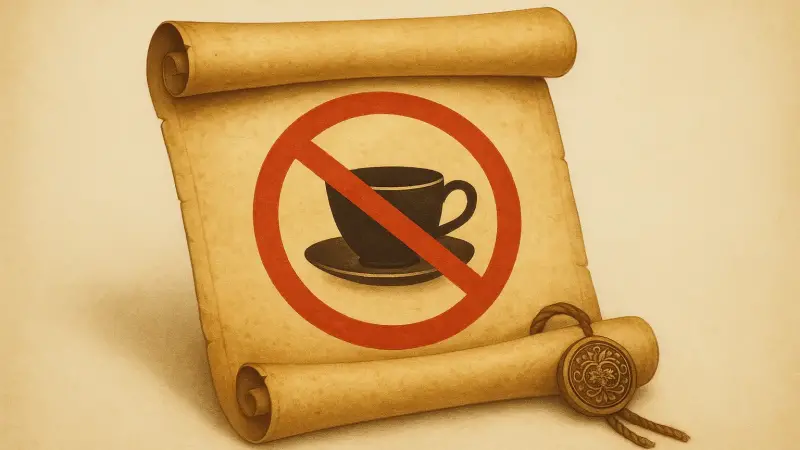
The Ottoman edict that closed coffeehouses and criminalized gossip
A coffeehouse sounds harmless until it becomes the place where news moves faster than officials can manage it.
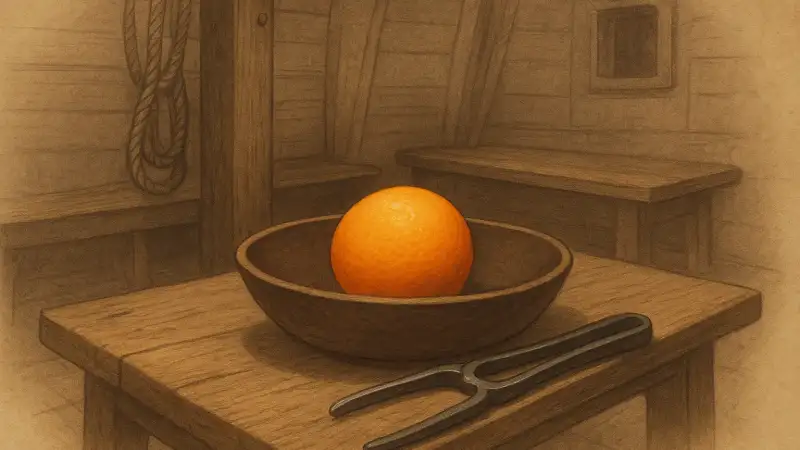
The cramped shipboard trial that made citrus the Royal Navy’s cure for scurvy
It’s easy to forget how cramped a wooden warship was until you picture trying to run a medical test inside one.
The poplar at the Korean DMZ that nearly sparked a Cold War firefight
```markdown Sometimes a tree is just a tree, but sometimes it stands for far more.
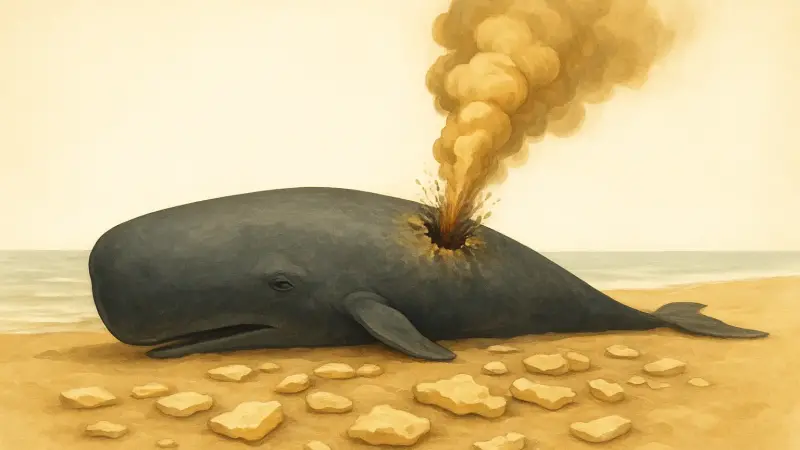
The 1970 Oregon operation that detonated a beached whale and scattered blubber across the beach
When something huge washes up on a beach, people assume the hard part is over. The animal is dead. The ocean carried it in.
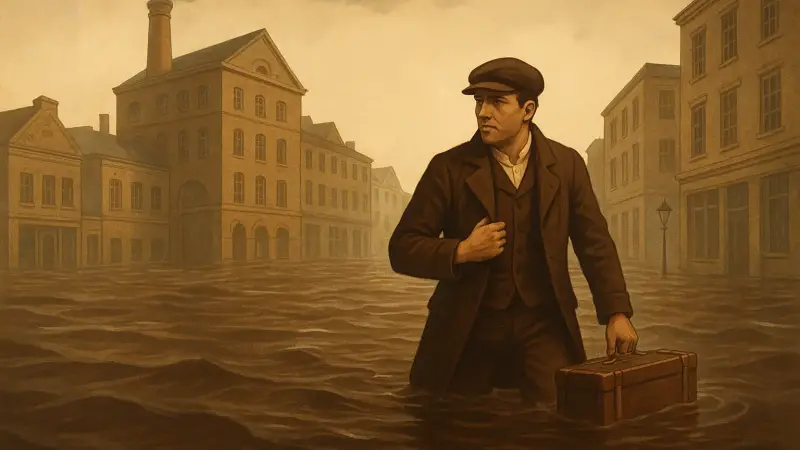
The 1814 London brewery disaster that flooded streets with porter
How a brewery can turn into a flood People picture beer as something that stays put in barrels and pint glasses.
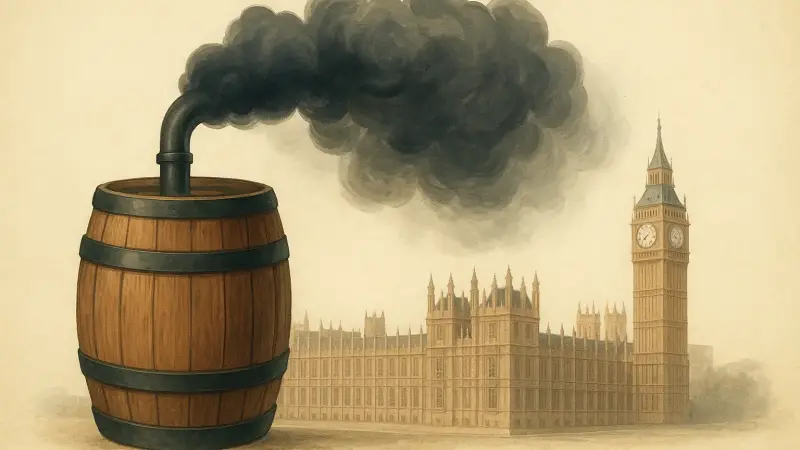
When the Great Stink halted Victorian Parliament
A smell that shut the windows at Westminster Most bad smells can be escaped by stepping outside or opening a window.
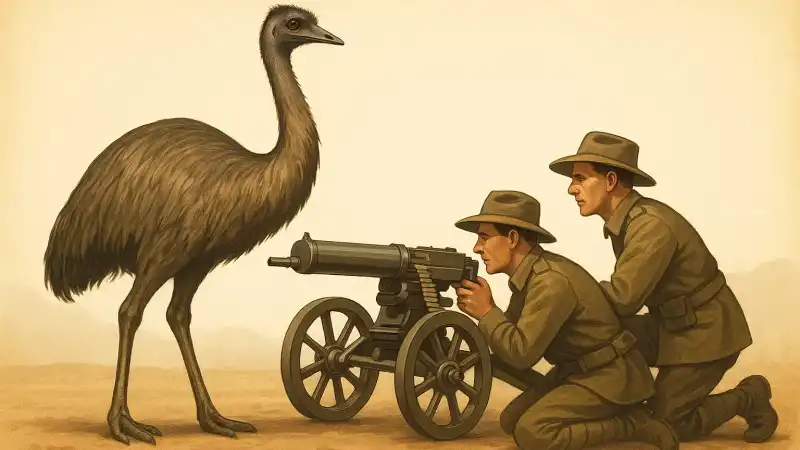
Australia’s 1932 emu war where soldiers and machine guns were outmaneuvered by birds
How a “war” with birds even starts It sounds like a joke until you hit the details: in 1932, in Western Australia, the military was asked to help deal.
When uncontrollable laughter spread through Tanganyika schools in 1962
A normal school day that wouldn’t stop laughing Most laughter in a classroom has a clear trigger. Someone trips. A joke lands.
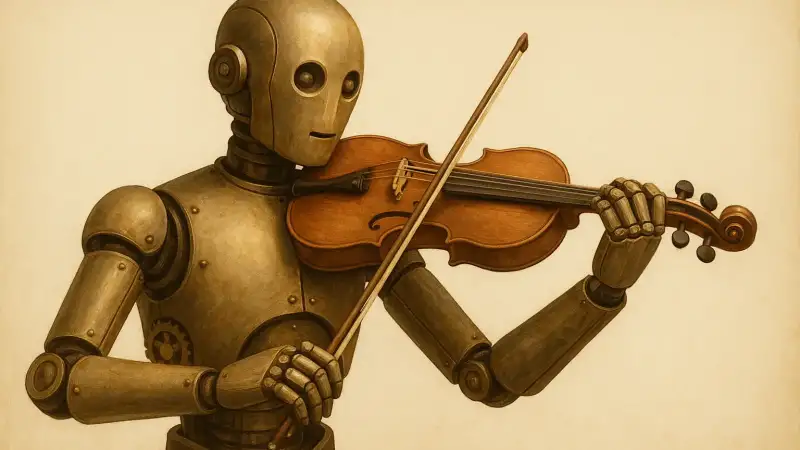
How a Second Empire impresario tried to replace Parisian musicians with clockwork automatons
A simple question behind the gimmick Why pay an orchestra when you can pay a machine once?
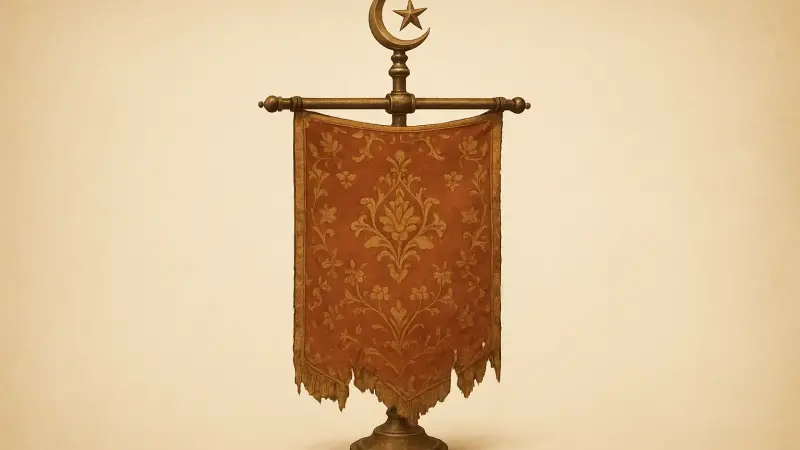
The Topkapi trial that pitted palace officials over a vanished sacred banner
A missing object can be easier to live with than the paperwork it leaves behind.