“`markdown ## Why junk sometimes helps underwater life
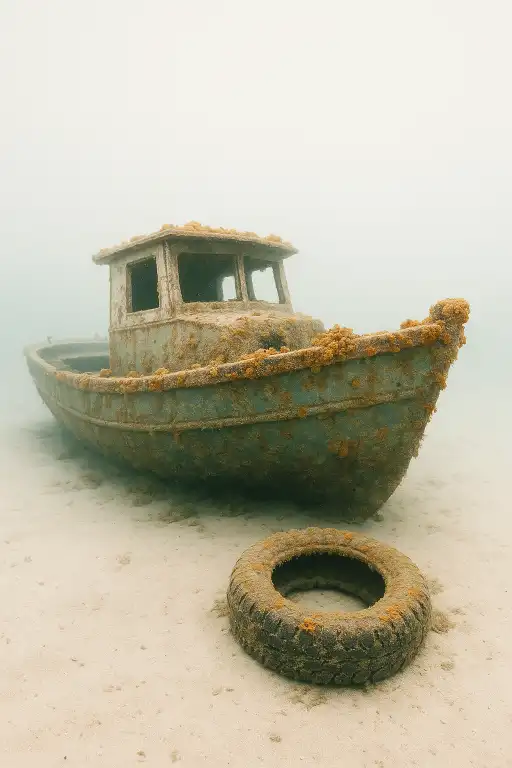
Old tires and rusting boats aren’t usually the first things people think of when they picture a healthy coastline. But in places like Florida’s Fort Lauderdale and coastal Malaysia, these discarded objects end up playing an unexpected role out at sea. Left where they sink, they can create new surfaces for a surprising variety of marine life to grow on. Even things that started as trash can become the accidental core of underwater communities.
Sunlight, shelter, and hard surfaces
In the open ocean, much of the sea floor is sandy or muddy. There aren’t many places for young coral, barnacles, or algae to attach. That’s why even an empty fiberglass hull or a pile of tires can quickly become crowded with life. For these creatures, any hard surface is valuable real estate. Sunlight filtering down is enough for algae. Animals like sponges, oysters, and small fish follow, taking advantage of nooks and crannies for shelter.
Examples around the world
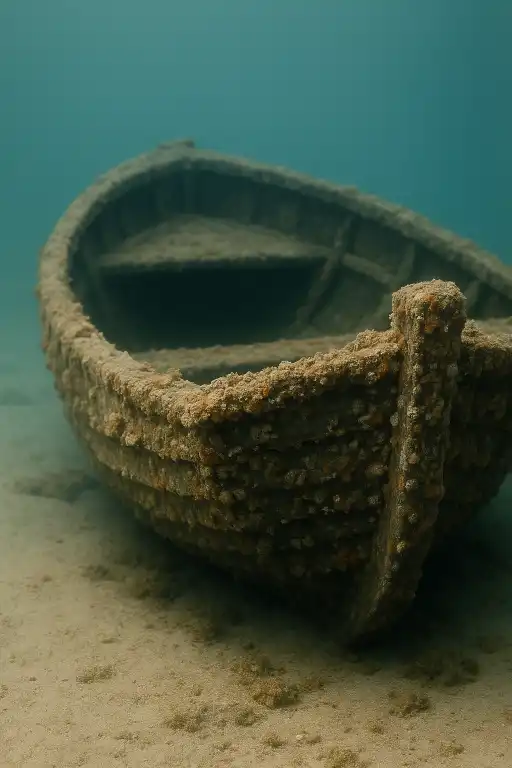
Artificial reefs don’t always start as intentional projects. In the 1970s, thousands of old tires were dropped off the coast of Fort Lauderdale to try and grow new reefs. In the Red Sea, abandoned fishing boats can eventually act like miniature islands. Sometimes, rogue storms drag small vessels out to sea, where they sink and stay. Over time, if the conditions are right, these leftover structures draw in more and more marine life. It’s unclear exactly how many accidental reefs exist, but photographs and diving logs have captured examples on nearly every continent’s coast.
One overlooked detail
Most people miss how quickly change can start. Within just a few months, an underwater tire or a decaying hull might be completely coated in slime, algae, and tiny barnacles. Some divers have noted sponges or soft corals anchoring to surfaces that were pristine just a season earlier. Even the smallest cracks become hiding spots for young fish or shrimp. The exact speed and mix of colonizers depends on the water’s temperature, clarity, and what lives nearby.
Not always a perfect habitat
The twist is that not every abandoned boat or tire is harmless. The Fort Lauderdale tire reef, for example, created practical headaches decades after it was installed. Waves and storms eventually broke the chains holding the tires together, scattering them over important natural reefs. Boats may leak fuel or chemicals as they break down. Some materials, like treated wood or plastics, can slowly release toxins. Even as marine life moves in, the long-term effects of these “accidental reefs” can be hard to predict or control. “`