

Why a smell can bring back a whole scene
A whiff of sunscreen can drop someone back into a specific summer. Someone else catches fresh coffee and suddenly it’s a kitchen they haven’t seen in years. This isn’t tied to one single place or event. It shows up everywhere, from subway platforms in New York City to school corridors in London to apartment stairwells in Tokyo. Odors often cue memories faster than a photo does. The core reason is simple: smell is wired into brain areas that handle emotion and memory, and it can hit them with very little filtering.
With vision or sound, the brain has more chances to label what’s coming in. Smell arrives differently. Molecules land on receptors in the nose, and the signal heads into the olfactory bulb, which sits close to the limbic system. That neighborhood includes the amygdala and hippocampus, both heavily involved in emotional learning and autobiographical memory. The path is shorter and less “talked over” by higher-level interpretation, so the response can feel immediate and oddly complete.
The shortcut from nose to memory
The olfactory system is unusual among senses because it connects into limbic circuits without the same kind of relay pattern people hear about with other inputs. That doesn’t mean smell skips all processing, but it does mean the first stop is already near structures that tag experiences as safe, threatening, comforting, or important. If an odor was present during a strong moment—good or bad—it can get bound to that moment like an extra data stream.
Memory binding is picky. The brain doesn’t store a perfect recording. It stores linked fragments: the room layout, someone’s tone of voice, the bodily feeling, and sometimes the smell of laundry detergent in the background. That background piece is easy to overlook at the time because attention is usually on faces and words. Later, the detergent scent can become the best “index key,” because it was distinctive, repeated, and not competing for attention.
Why it feels emotional and hard to control
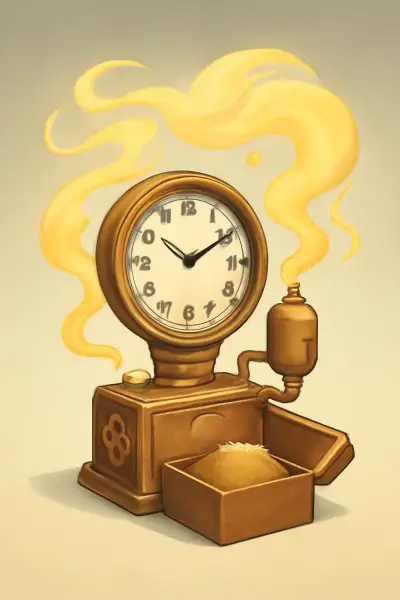
Odor-triggered recall often arrives with a mood attached. People report warmth, dread, nausea, calm, embarrassment—sometimes before they can even place the memory. That timing matters. The amygdala can push the body toward a state first, and only then does the mind go searching for an explanation. It’s one reason smell memories can feel like they’re “happening to you,” not something you chose to remember.
A specific situational example is common: someone opens a jar of cloves while cooking, and their chest tightens because it matches the smell of a relative’s house during winter holidays. The tightness can arrive before the image of the dining table does. Another person smells disinfectant in a clinic hallway and gets a flash of childhood vaccinations. The odor isn’t the event, but it can be the strongest handle the brain has for the emotional context.
Why the memory can be vivid, but not always accurate
Smell-triggered memories are often experienced as unusually vivid. That vividness can be mistaken for accuracy. But recall is reconstructive. The brain fills gaps using expectation and later knowledge, especially when the remembered scene is old. An odor can strongly convince someone they’re back in a moment, while details like exact dialogue or the sequence of events may be partly rebuilt.
There’s also variation from person to person. Some people have a sharper sense of smell than others. Some have reduced smell from illness, allergies, or age. And the same chemical can be perceived differently depending on context and concentration. A faint smoke note from a neighbor’s fireplace can read as cozy to one person and alarming to another, which changes what memory networks get activated.
The overlooked details that make an odor stick
One detail people miss is how much smell depends on airflow and temperature. Warm air lifts volatile molecules, so an odor can be stronger in a sunlit room than a cool one even if nothing “new” was introduced. That means a memory might be linked not just to the scent, but to the physical conditions of when it was first encoded: a hot car interior with vinyl seats, or a damp coat closet after rain.
Another overlooked piece is that much of what gets called “taste memory” is actually smell memory traveling backward from the mouth into the nasal cavity. A single ingredient—vanilla in a birthday cake, sesame oil in a takeaway bag—can become the cue that later unlocks a whole social scene. People can be surprised by how specific it is, because the odor they notice now may have been a background trace the first time, sitting quietly under everything else.
Related reads
- Why some rivers form tidal bores that rush upriver as walls of water
- How microbes dissolve concrete to access buried minerals
- Why volcanic ash plumes often produce spectacular lightning bolts
- How your brain filters out half of a crowded conversation
- When Victorian Parliament fled as the Thames reeked across London
- Why awkward silences feel physically uncomfortable
If you liked this, you might also enjoy: