
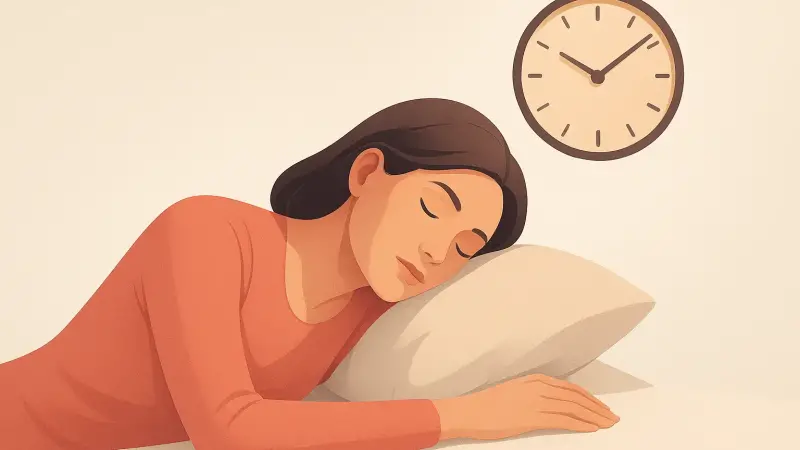
A bad mood can feel physical
Someone snaps at a coworker, then hates themselves for it. Or they get off the subway in New York or the Tube in London already irritated, for no clear reason. This isn’t one single event or place. It’s a common pattern. A short nap can sometimes flip that feeling fast, because it briefly changes how awake the brain is and how it handles emotion. The shift is less “new perspective” and more “different operating mode.” When the brain is tired, it tends to misread neutral things as threats or hassles. A short sleep bout can lower that edge by easing sleep pressure and calming the stress systems that keep attention locked onto what feels wrong.
The reset is mostly about sleep pressure
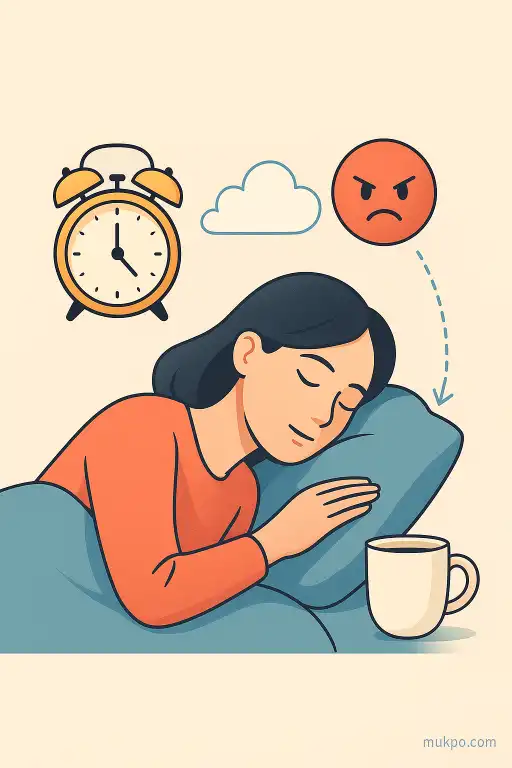
Across the day, the body builds a drive for sleep. It’s partly chemical. Adenosine accumulates in the brain while someone is awake, and that build-up is linked with grogginess, irritability, and low frustration tolerance. A brief nap can reduce that pressure a bit. Not to “make up” a whole night of sleep, but enough to change how the next hour feels. Mood often rides on small changes in energy and attention. If attention becomes less sticky and less biased toward problems, people report feeling less bothered by the same inputs.
This is why the window matters. Around 20 minutes is often short enough that many people doze into light non-REM sleep and then pop back out before the deeper stages. Deeper sleep is where waking can feel like wading through glue. That heavy, sour feeling after waking has a name: sleep inertia. It can look like “the nap made me crankier,” but it’s usually a timing issue, not a mood issue.
Emotion regulation changes when the brain is rested
When people are sleep-deprived, emotion circuits tend to run hotter. The amygdala becomes more reactive, and the prefrontal regions that normally put the brakes on emotional responses don’t regulate as smoothly. A short nap doesn’t magically repair everything, but it can restore some top-down control. That can show up as fewer impulsive reactions and less “everything feels personal.” The mood improvement can be subtle, like being able to let a rude email sit for a minute without spiraling.
An overlooked detail is how much of “mood” is actually sensory tolerance. When people are tired, ordinary stimuli can feel louder, brighter, or more intrusive. The same office chatter that was fine at 10 a.m. can feel unbearable at 2 p.m. After a short nap, that sensory volume often drops. It can look like emotional resilience, but it may start as the world simply feeling less abrasive.
The nap also interrupts rumination
A bad mood often comes with a loop. The brain keeps replaying an argument, a mistake, or a worry, and each pass adds more heat. A short nap forces a hard break in that loop. It’s one of the few everyday states where the mind can’t keep rehearsing the same story in the same way. Even if someone doesn’t fully fall asleep, the attempt to rest in a lower-stimulation state can reduce the momentum of rumination.
There’s also a small identity shift that people miss. The bad mood stops being “the truth about today” and becomes “the thing that happened before sleep.” That can matter. Memory and emotion are tied to state. When the state changes, the emotional certainty around the story can loosen a little.
Why it’s not always a clean fix
Sometimes a 20-minute nap doesn’t help, and the reasons are usually practical. If someone sleeps longer and wakes during deeper sleep, inertia can dominate for a while. If the bad mood is driven by hunger, caffeine timing, pain, or acute stress, a nap may not touch the underlying driver. Circadian timing matters too. Some people get a clear lift from an early afternoon nap and a worse feeling from a late-day nap, but the exact timing varies by person.
A concrete example is the midafternoon meeting where someone feels unusually defensive. They step away, close their eyes for a short rest, then return less prickly, even though the meeting hasn’t changed. The social dynamic is the same. The difference is that their brain is a little less sleep-pressured, a little less reactive, and no longer stuck in the exact same mental loop it was running earlier.
Related reads
- A legionary’s bronze dodecahedron: the Roman-era object’s baffling purpose
- The antique camera that developed a decades old portrait on its own film
- How the brain invents reasons after we make a choice
- A library that stamps books with the weather they were read in
- How smiling can actually lower your stress levels
- Why some people prefer messy desks and others thrive on order