

The familiar morning clarity
A lot of people can replay a morning moment with surprising precision. The light in the kitchen. The exact words in a quick argument. The order of stops on a commute. This isn’t one single place or event. It shows up in very ordinary settings, like a bus ride in London, a school drop-off in Toronto, or a coffee run in Seoul. Part of it is timing. The brain’s memory systems tend to work differently when they’re well-rested and freshly “online,” compared with late night, when sleep pressure is high and attention is thinner.
Alertness changes what gets encoded
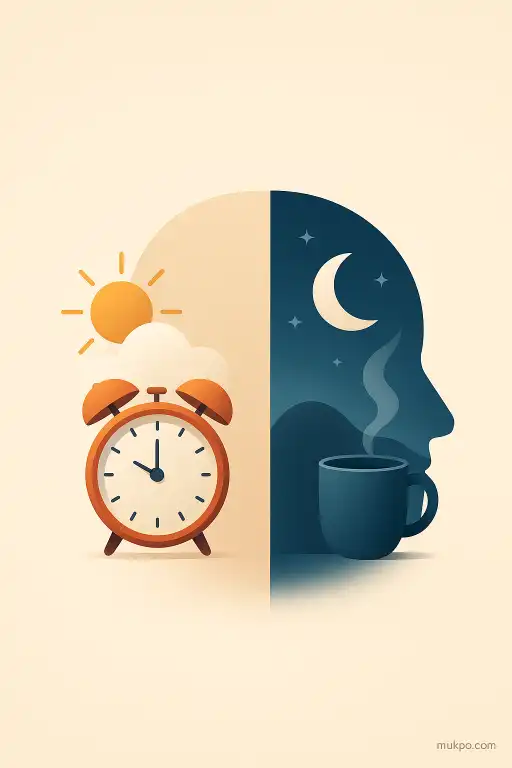
Memory starts with what gets noticed. In the morning, attention is often steadier, especially after decent sleep. That doesn’t mean mornings are always calm, but the brain is more likely to register details cleanly: faces, a street name, the exact phrasing of a text. Late at night, even when someone feels awake, vigilance tends to sag. Micro-lapses are easier to miss. The overlooked detail is how often people reread the same line, check the same app twice, or walk into a room and forget why. Those small attention gaps don’t just feel annoying. They create missing pieces at the moment the memory is formed.
Stress level also matters. Morning stress can sharpen encoding when it’s brief and contained, like a tight deadline or a near-missed train. Late-night stress is often mixed with fatigue. That combination pushes the brain toward “good enough” processing. The memory that results can feel like a thumbnail instead of a full scene.
Sleep pressure blurs late-night experiences
As the day goes on, sleep pressure builds. It’s a basic biological drive, and it changes cognition long before anyone actually falls asleep. Late-night experiences can be vivid in the moment—people talk, laugh, watch a show, scroll—but the brain is already negotiating with the need to shut down. That can reduce how well the hippocampus supports new, stable memory traces. It’s not that the brain “stops recording.” It’s that the recording becomes noisier and easier to overwrite.
This is one reason two late-night things can collide in memory. A conversation at 11:30 can blend with another at 12:15. The order flips. Certain details disappear. Meanwhile, a morning interaction tends to land when mental energy is higher and there’s less competition from prior fatigue.
Morning memories get extra reinforcement
Another difference is what happens after the event. Morning episodes often get revisited during the day. Someone tells a coworker what happened at breakfast. They check their calendar and think back to a comment that now seems important. They see the same person again at lunch and the earlier exchange gets refreshed. Each replay strengthens the memory, even if the person isn’t trying to “study” it. Late-night events often don’t get that same follow-up. People go to bed soon after, and the next day brings new input that can drown out details that were never reinforced.
There’s also the structure of the day. Morning experiences sit near the start of a “chapter.” They get anchored by routines: waking, showering, breakfast, commute. Late-night experiences sit near the end, when routines are less consistent. Weekend nights, travel nights, and nights with screens can all shift the timing. That variability makes it harder to attach a memory to a stable sequence.
Light, alcohol, and context quietly tilt the odds
Context can do more than people notice. Morning light is a strong cue for the circadian system, and it tends to support alertness and mood in a way that makes perception cleaner. Late at night, indoor lighting and screens can keep someone feeling awake while their physiology still moves toward sleep. That mismatch can make memories feel oddly flat afterward. A very specific, easy-to-overlook factor is how often late-night memories are formed under dim light. The brain relies more on inference when visual input is weak, and inferred details are less reliable later.
And sometimes the simplest explanation is present: alcohol, cannabis, or even just heavy food and dehydration. These don’t have to cause a blackout to soften encoding. A person might remember the main plot of the night but lose the exact timing, the precise words, or who suggested what. In the morning, those same people might be sober, hydrated, and running on a more stable baseline, so the memories that form can feel sharper by comparison.

Related reads
- A pedestrian crossing that erupted into spontaneous disco lights after midnight
- When kings shaved silver from coins and markets exploded: medieval coin debasement
- How splitting attention makes ordinary tasks feel strangely harder
- How Victorian salons turned arsenic into beauty and scandal
- The museum plaque that rewrote itself every morning
- How a nine-day queen became a pawn in the Tudor succession crisis