

It starts with ordinary rushing
It isn’t one single event or place. You can see it in a crowded New York subway station, on London streets when a crosswalk countdown starts flashing, or in any airport security line when the trays pile up. A small snag happens—keys won’t turn, a text won’t send, a zipper catches—and suddenly it feels huge. The main mechanism is time pressure. When the brain thinks it’s late, it changes how it reads everything else. Tiny friction stops being “annoying” and starts feeling like a threat.
The overlooked detail is that the trigger is often a clock cue, not the problem itself. A calendar alert, a “2 minutes” timer, the train doors chiming. Those cues quietly turn the moment into a deadline, even if nothing dangerous is happening.
Time pressure narrows what the mind can hold
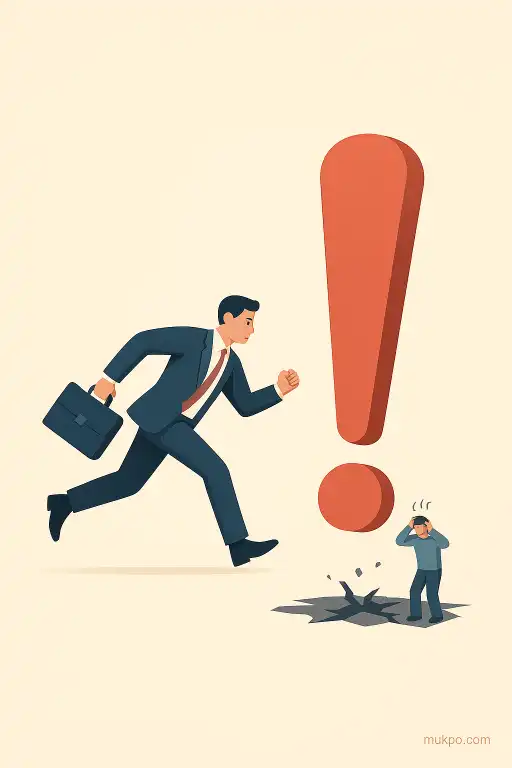
When someone is rushing, attention gets stingy. The mind holds fewer pieces at once. That makes small problems harder to solve, because solving them depends on keeping several steps in view. Where was the card? Which pocket? Which app screen? In a calm state, the brain can keep searching while also remembering the goal. Under time pressure, the goal hogs the space.
That narrowing also changes perception. Any new obstacle looks like it will take longer than it actually will, because the brain can’t easily simulate the steps. It’s not that the zipper is objectively worse. It’s that the mind has less room to represent “this is a 10‑second fix.”
Rushing turns minor errors into personal failures
Another shift is how quickly blame appears. Under urgency, people stop treating mistakes as information and start treating them as verdicts. Dropping a pen isn’t just clumsy; it becomes evidence that the whole morning is falling apart. That’s partly because rushing makes the brain track costs. Not moral costs, but time costs. Each slip feels like it steals from a shrinking budget.
That’s why the emotional reaction can be disproportionate. The problem isn’t only “I can’t find my badge.” It’s “I’m going to be the person who walks in late, again.” The same object misbehaves at a different hour and barely registers.
Stress chemistry makes everything feel louder
Rushing often comes with a light stress response: higher arousal, faster heartbeat, tighter muscles, shallower breathing. That state is useful for action, but it also changes how sensations land. Sounds feel sharper. Touch feels more irritating. A phone buzzing, a strap twisting, a notification pinging—each one grabs the microphone.
This is one reason tiny inconveniences stack so fast. The body is already geared for “move now,” so any delay feels like being restrained. The mind reads restraint as danger more easily than it reads it as neutral friction.
Small problems get catastrophic when they block the next step
The size of a problem isn’t only about how hard it is. It’s about what it blocks. A shoelace snapping at home can be a shrug. The same shoelace snapping at the bus stop feels catastrophic because it stops the next step in a sequence that can’t easily pause. Sequences are fragile under time pressure. When one link breaks, the mind imagines the whole chain failing.
You can see this in a simple situational example: someone jogging toward a train, tapping a transit card that doesn’t read, then fumbling a wallet while the gate flashes red. Each action is small. The catastrophe feeling comes from the combination of deadline, blocked progression, and the public visibility of the stall. Even if the next train is in five minutes, the brain often reacts as if the window is closing right now.
Related reads
- How leafcutter ants cultivate fungal gardens that never touch sunlight
- The neighbor who returns lost keys with a typed note of thanks
- How photorespiration makes hot days harder for crops
- How backyard compost heaps generate heat and reduce food waste
- Why names disappear mid-conversation
- Why you sometimes freeze when a joke lands on you