
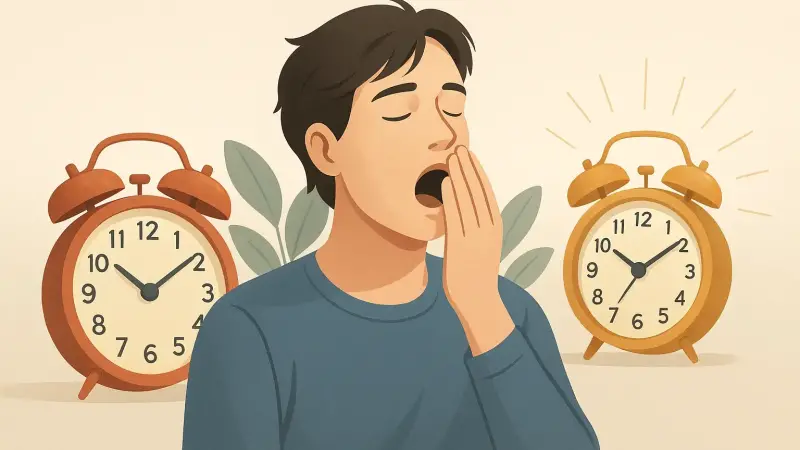
Two phones can be on the same nightstand, set for 7:00, and still feel like they wake the room in totally different ways. One alarm makes someone sit up fast. Another makes them fumble, annoyed, and then feel foggy for an hour. This isn’t one single “best alarm” story, and it isn’t tied to one place. You see it with an iPhone alarm, an Android alarm, and an old-school clock radio. The difference usually comes down to timing and physiology: what stage of sleep the sound hits, how abruptly the brain is forced to switch states, and how the body’s stress response gets pulled into the moment.
Waking up depends on which sleep stage you’re in
Sleep isn’t one flat thing. It cycles through lighter stages and deeper ones, plus REM sleep. If an alarm goes off during lighter sleep, the brain is already closer to alert mode. If it hits during deeper slow-wave sleep, people often feel like they’re being yanked out of a ditch. That heavy, unreal feeling can be sleep inertia, which is basically the brain taking longer than you’d expect to get its “daytime networks” online.
This is why two mornings can feel opposite even with the same alarm sound. The body’s timing shifts across the night, and it varies between people. It also varies with sleep debt. If someone is short on sleep, the brain tends to push harder into deep sleep when it can. An alarm that “usually works” can suddenly feel like it hits at the worst possible moment.
The “snap awake” feeling often involves a stress response
A sharp alarm can trigger a startle response. The nervous system jumps toward fight-or-flight. Heart rate rises. Breathing changes. That can produce a fast, clear alertness that feels like being switched on. But it’s not the same as gently becoming awake. It’s the body using arousal chemicals to force the transition.
Some people interpret that surge as feeling “awake,” while others experience it as feeling rattled. The subjective part matters because the same physiological spike can be experienced as energizing or unpleasant. And it can happen even if the person’s brain is still catching up in the background, which is why someone can be upright and talking but still make weird mistakes in the first few minutes.
Alarm sound design changes how the brain reacts
Different alarms are built differently, even when they’re the same volume. A sound with an abrupt onset and lots of high-frequency content tends to cut through sleep. A softer tone with a slow ramp can be easier to tolerate but might not produce that immediate jolt. Clock radios add another layer because speech and music have changing patterns, which the sleeping brain sometimes treats differently than a repetitive beep.
A specific detail people usually overlook is the first half-second. The “attack” of the sound—the way it starts—matters a lot. Two alarms can peak at the same loudness, but the one that reaches that peak instantly tends to feel harsher and more effective. The brain is tuned to sudden changes, especially in frequencies associated with warnings and voices, and that quick change can decide whether someone springs up or stays sunk in sleep inertia.
Grogginess can come from the schedule, not the sound
People often blame the alarm tone when the bigger issue is biological timing. Waking before the body’s internal “day mode” rises can mean temperature is still low, melatonin may still be elevated, and alertness systems haven’t ramped up. The alarm may succeed in getting someone conscious, but the rest of the body isn’t aligned yet, so the person feels slow and cloudy.
This mismatch is more likely when sleep timing changes across the week. A consistent 7:00 alarm can land at a very different point in someone’s circadian rhythm depending on when they fell asleep, how much light they got the previous evening, or whether they shifted their schedule. It’s also why two people in the same room can react differently to the same alarm: their clocks are not identical.
The bedroom environment quietly shapes the “after” feeling
Waking is not just the moment the alarm sounds. The minutes after matter. Light level, temperature, and even air quality can nudge how quickly someone feels normal. If the room is warm and still, sleep inertia can feel thicker. If it’s cool, or if morning light is already leaking in, people often report feeling more alert sooner, even if the alarm itself was unimpressive.
A concrete example shows how situational this is: someone sleeping in a hotel with blackout curtains and loud HVAC might wake to the same phone alarm they use at home, but feel more disoriented. The environment changed the sleep depth and the sensory context at waking. The alarm didn’t become “worse.” It just landed in a different brain state, in a different room, with different cues telling the body it’s time to be awake.
Related reads
- Matchstick miniatures an abandoned loft hiding a tiny carved town
- How your eyes pick one face to follow in a crowded scene
- Why your hands fidget when you’re trying to think
- A museum that displays thousands of anonymous lost keys
- When London went blind: the January 1952 smog that stopped Parliament and remade urban life
- The forgotten subway station turned secret mushroom garden