
Not just “dirty birds”
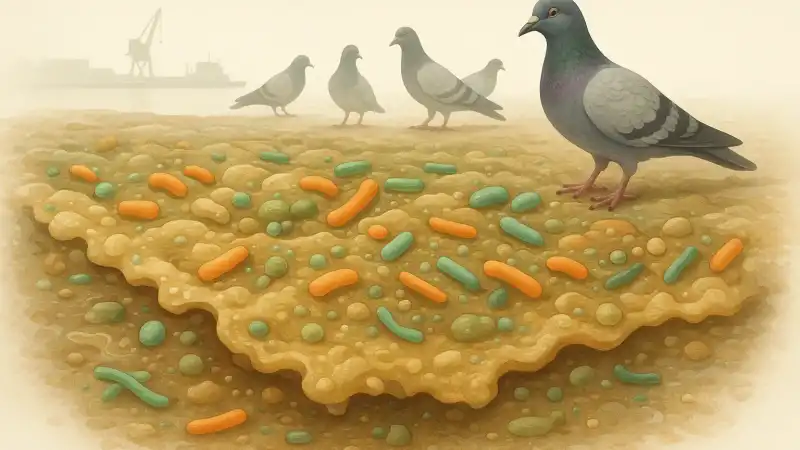
Most people notice pigeons when they’re close enough to be annoying. A flock under a bridge, a bird pecking at fries, the dust that lifts when they take off. This isn’t one single city story. Similar findings have been reported across places as different as New York City, London, and Barcelona. The basic mechanism is simple. Pigeons live where humans concentrate waste, wastewater, and leftover antibiotics. They pick up microbes from those surfaces and waters, then carry them between rooftops, ledges, parks, and transit hubs. The surprising part is not that pigeons have bacteria. It’s that the bacteria can include antibiotic-resistant strains that look “urban” in how they’re assembled.
They feed and drink in the same places bacteria thrive
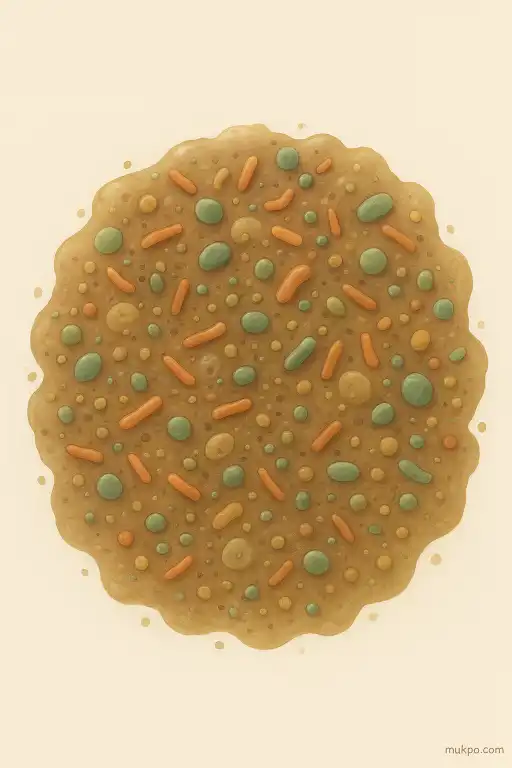
City pigeons don’t just eat seeds. They eat whatever sits out: dropped food, open trash, overflowing bins, scraps near loading docks. They also drink from places people rarely think about, like shallow puddles along curbs and the thin films of water that collect at the edges of fountains. That overlooked detail matters because those tiny water sources can be loaded with bacteria from pet waste, sewer splash-back after heavy rain, and runoff from streets. A pigeon only needs a few quick sips. That’s enough for microbes to move from the environment into the bird’s gut, where they can persist for a while and be shed later.
The urban advantage for bacteria is density. Human foot traffic, food handling, and waste disposal all happen in tight loops. A pigeon that spends its day around a train station or a busy plaza is constantly touching the same kinds of contaminated surfaces: railings, ledges, dumpsters, and the ground where everything settles. Even if any single contact is small, the repetition is nonstop. That steady exposure makes it more likely that a pigeon picks up bacteria that already “know” how to survive around people, including strains that have encountered antibiotics indirectly through wastewater and discarded medication.
Resistance genes travel like shared tools
Antibiotic resistance isn’t only about one dangerous species taking over. A lot of it is about genes. Many bacteria can swap useful DNA through plasmids and other mobile genetic elements. If one bacterium carries a resistance gene, that gene can sometimes move into a different bacterium that happens to share the same gut or the same damp surface. Pigeons are a good meeting point for that. Their digestive tract mixes bacteria from food, water, and the city itself, then releases them back into the environment through droppings. The result can be a small but steady “exchange network” that doesn’t require a hospital setting to exist.
People often picture resistance as something created by taking antibiotics directly. But environmental exposure can be enough to select for resistant microbes. Wastewater is a big reason. Antibiotics and disinfectant residues can end up in sewage in low concentrations, and those low levels can still favor bacteria that carry resistance genes. Pigeons don’t need to enter a treatment plant for that to matter. They only need contact with downstream places where urban water ends up: river edges, canals, storm drains, and puddles after overflow events. The exact mix varies by city infrastructure and weather, so the “who picked up what” is not identical everywhere.
City life shapes their microbiome
Pigeons are also unusually suited to holding onto a city-shaped microbiome. They’re long-term residents. Many stay within a small home range, returning to the same roosts and feeding spots day after day. That stability means their gut bacteria get repeated reinforcement from the same environmental sources. Compare that to a migrating bird that samples many habitats briefly. An urban pigeon is more like a commuter. It revisits the same microbial neighborhoods every week.
Roosting behavior adds another layer. Under bridges, in parking garages, on building ledges, droppings can build up for months if cleaning is infrequent. Those accumulations aren’t just gross. They’re a habitat: nutrients, moisture when it rains, shade, and warmth from buildings. Bacteria can persist there and mix with new arrivals. When pigeons walk through it, or preen dusty feathers after sitting in it, they can re-inoculate themselves. That’s one reason resistance can show up even when a pigeon looks healthy and acts normal.
What the “unusual” part usually means
When reports say pigeons harbor “unusual” resistant microbes, it often means the pattern looks more like what researchers expect from human-linked environments. That can include resistance to multiple drug classes, or genes that are common in clinical settings turning up in an outdoor animal. It doesn’t automatically mean pigeons are the main source. Often they’re better described as samplers. They pick up what’s already circulating in a city and then spread it locally across the surfaces they touch.
A concrete example is the everyday route a pigeon can take in half an hour: drinking from a curbside puddle beside a storm drain, pecking near an outdoor restaurant trash bag, then landing on a public bench backrest and preening. None of those steps is dramatic. But put them together and you have a simple chain where resistant bacteria can move from human waste streams to a bird, then to shared urban touchpoints. The specific microbes involved can differ by location, season, and what’s flowing through local wastewater at the time.
Related reads
- How whale songs bend in deep ocean layers
- Why lightning sometimes strikes the same tree dozens of times
- The vending machine that dispenses live plants with tiny adoption cards
- How tardigrade proteins stop cells from drying out
- The bridge that plays a melody when cars drive over it
- The fungus that turns ants into trail-building automatons