

The argument ends, but the scene keeps running
An argument can be over by lunchtime, and still replay at 2 a.m. Not because the topic mattered so much, but because the brain treats conflict like unfinished business. This isn’t one single event tied to one place. It shows up after a tense meeting in a New York office, a family blowup at a London kitchen table, or a breakup conversation on a train platform in Tokyo. The core mechanism is simple: the moment ends, but the nervous system stays activated, and the mind keeps searching for a safer ending. A small overlooked detail is how often the replay starts with the exact tone of voice, not the words.
Why the mind rebuilds the conversation

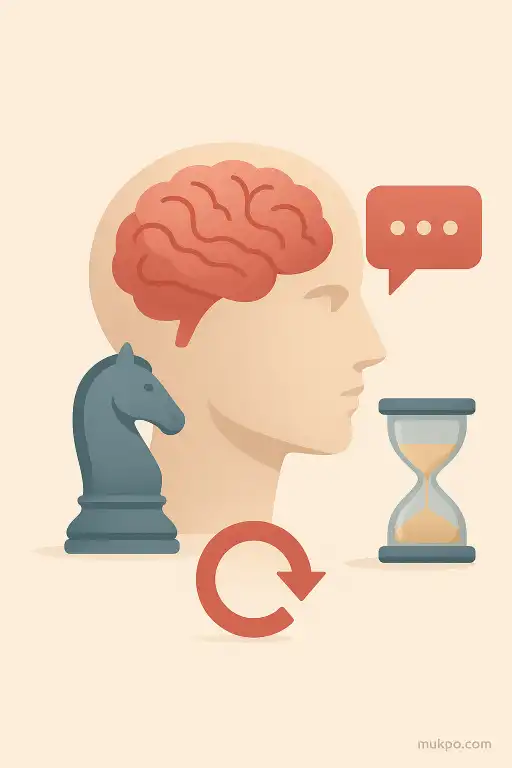
Rehearsing is often a form of error-correction. The brain re-runs the scene to test alternate lines, different facial expressions, a better timing. It’s close to the way people mentally practice a job interview, except the stakes feel personal. Social conflicts threaten belonging and status, so they get tagged as high priority. The mind keeps checking, “Did I lose something there?” Even if nothing concrete was lost, the uncertainty is sticky.
Memory also isn’t a recording. Each replay is a rebuild using fragments: a phrase, a look, a pause, the room layout. That rebuild can drift. A single ambiguous moment, like a two-second silence before someone answered, can expand into a whole meaning. The silence becomes “They think I’m incompetent,” or “They were mocking me,” because the brain dislikes blanks in social stories.
The body keeps score before the mind catches up
Arguments aren’t only mental. Heart rate rises, breathing shifts, muscles tense, and attention narrows. Afterward, the body can stay in that state, even when the conversation is objectively done. The mind notices the leftover activation and looks for a reason. Replaying the fight supplies one. That’s one reason the loop can feel compulsive. It’s not only “thinking too much.” It’s the system trying to resolve a physical alarm that hasn’t fully shut off.
There’s also a timing problem people miss. Many arguments end through interruption: someone has to get back to work, a child walks in, the call drops, the subway arrives. The brain reads interruption as “no resolution happened,” even if both people later act normal. An ending that arrives because life forced it, rather than because the conflict actually settled, is easy to keep reopening internally.
Rehearsal is also reputation management
When someone imagines the argument again, they’re often imagining an audience. Sometimes it’s the actual person. Sometimes it’s a boss, a friend group, or a vague “people.” The mind tests how the story would sound if it got retold. Who seems reasonable. Who seems petty. What line would make the other person look unfair. This isn’t always conscious. It can feel like irritation, but underneath it is a social math problem.
This is why certain disputes loop more than others. A disagreement with a stranger at a grocery store can fade quickly, while a small comment from a partner can echo for days. The difference is not intensity. It’s dependency. The closer the relationship, the more the brain monitors it for stability, and the more it pressures the person to “get the script right” for next time.
Why some lines get stuck on repeat
Not every part of the argument replays. The mind tends to latch onto moments of surprise: an unexpected accusation, a laugh at the wrong time, a sudden change in volume. Surprise signals that the model of the other person is incomplete. So the brain keeps rechecking that moment, trying to update its predictions. That’s also why a single sentence can dominate the loop, even if the rest of the conversation was ordinary.
There’s a second trap: imagined comebacks are clean. Real conversations are messy. People interrupt, get defensive, miss the point, or walk away. In rehearsal, the other person finally listens, finally understands, finally concedes. The mind prefers that version because it produces a sense of control. But it can also keep the original scene feeling “open,” because the clean ending never happened in real time, and the actual ending was just someone grabbing their keys and leaving.
Related reads
- How archerfish aim water jets to dislodge insects from branches
- Why fog clings to valley floors while nearby ridges stay clear
- Why some conversations make you forget time completely
- A café that brews espresso in cups stitched from old concert wristbands
- The beach where certain shells sing when the tide goes out
- The Cold War diplomat who ran an art forgery ring out of a consulate pouch