
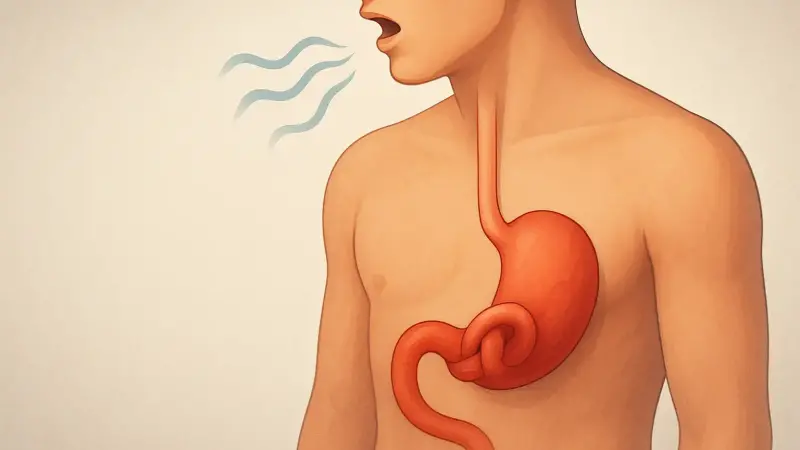
The knot shows up fast, even when nothing is “wrong”
It’s a common, ordinary moment: you’re about to introduce yourself in a meeting, step up to a microphone at a wedding, or answer a question in a classroom. The stomach tightens. Sometimes it’s a flip. Sometimes it’s a heavy clench. This isn’t one single event tied to one place. It shows up in boardrooms in New York, lecture halls in London, and school assemblies in Sydney. The core mechanism is that the body treats being watched and judged as a potential threat, then shifts blood flow and nerve signals toward rapid response instead of comfortable digestion.
Your gut is reacting to prediction, not just nerves
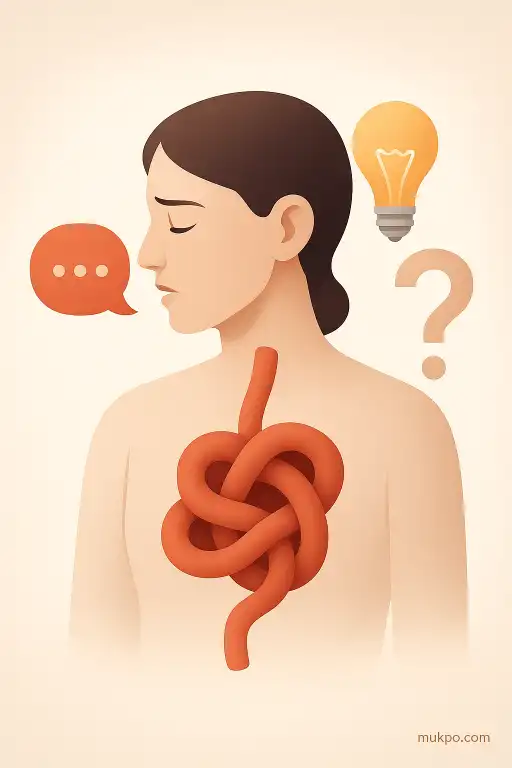
Before speaking, the brain runs a quick forecast: Will this go smoothly, or will it cost status, belonging, or safety? That forecast can trigger the same basic stress circuitry used for physical danger. The autonomic nervous system tilts toward “mobilize,” which changes heart rate, breathing pattern, and muscle tone. The gut gets pulled into that shift because it’s densely wired and constantly reporting upward. The sensation often arrives before any conscious thought because the prediction system is designed to move first and explain later.
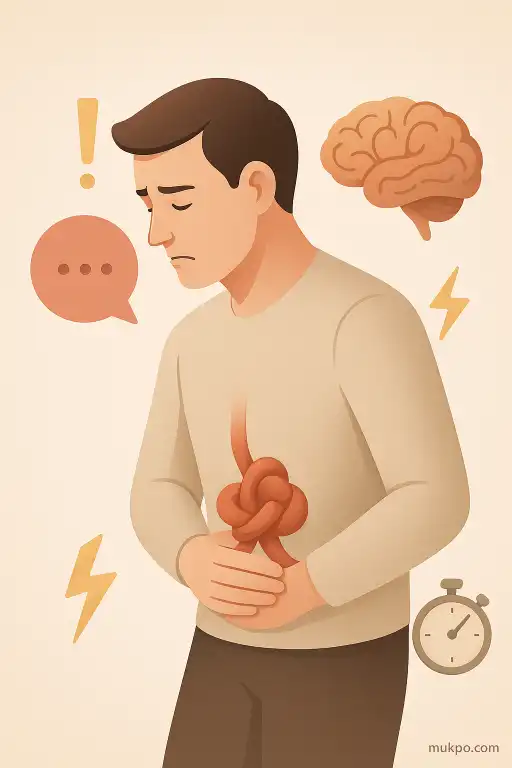
A small overlooked detail is timing. The stomach knot frequently spikes during the seconds of waiting, not during the actual talking. Anticipation is information-heavy: you’re imagining faces, judging pauses, and scanning for the first sign of a negative reaction. Once speech starts, the body sometimes settles slightly because the uncertainty drops and breathing becomes more regular.
The “second brain” in your abdomen is part of the alarm system
The digestive tract has its own large network of neurons, often called the enteric nervous system. It doesn’t think in words, but it does coordinate motion, secretion, and sensitivity. It also talks constantly with the brain through multiple channels, including the vagus nerve and stress hormones circulating in blood. When the body switches into a threat-ready state, digestion becomes a lower priority. That can mean slowed stomach emptying, altered intestinal movement, and heightened sensation from normal gut activity that would usually fade into the background.
That’s why the feeling is often described as “knots” rather than pain. It can be mild cramping, pressure, fluttering, nausea, or a hollow drop. The exact mix varies by person and by day. It’s unclear how much of the sensation is actual muscle contraction versus increased sensitivity to normal contractions. But either way, the signal is real to the nervous system and it arrives as a body-level message: something important is about to happen.
Social evaluation carries a physical cost the body tries to manage
Public speaking and even small-group speaking are social evaluation problems. The stakes can be practical (job prospects) or subtle (reputation, competence, likability). Humans are tuned to track those stakes because being excluded used to have direct survival consequences. The body doesn’t need the stakes to be logical or modern. It reacts to cues like silence, eye contact, a room’s attention turning toward one person, and the possibility of interruption.
A concrete situation makes it easy to see: someone stands to give a short update in a Monday meeting. Their voice may be steady, but their stomach tightens as they wait for the manager to look up. That knot isn’t signaling that speaking is dangerous in itself. It’s signaling uncertainty about how the group will respond and how quickly the speaker can correct course if something lands badly.
The sensation can mean “prepare,” but it can also mean “pay attention”
The stomach response is often interpreted as fear, but the body doesn’t label it that way. It’s closer to arousal: increased readiness, more monitoring of the environment, and faster error detection. That can sharpen attention to words, timing, and audience cues. It can also narrow focus too much, especially when breathing becomes shallow and carbon dioxide levels drift, which can make the gut feel even more unsettled.
People also vary in how strongly they feel internal signals. Some notice every flutter and treat it as important. Others barely register it until it’s intense. So the knot can be a straightforward mobilization signal, or it can be a feedback loop where noticing the sensation makes the nervous system treat it as another sign that something is at stake, which amplifies it for a few minutes.
Related reads
- How your brain recognizes a familiar face in under a blink
- A startup that bottles Himalayan mountain air and sells it by the can
- How a 16th-century Ottoman gardener sparked a palace scandal
- Why your hands go numb when you sleep on them
- Why your hands warm up when you remember a pleasant moment
- Rubber ducks from a cargo spill that still wash up decades later around the world