Nature and Science
•Animals, plants, planet •Small, digestible science explanations

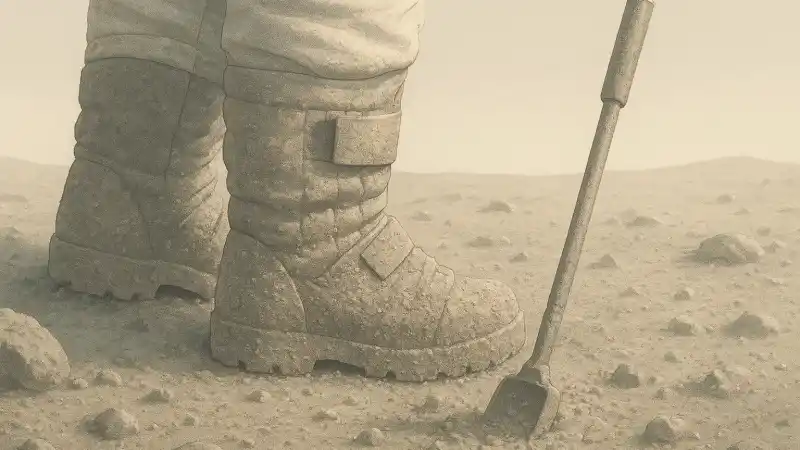
Why lunar dust clings to boots and instruments
A small problem astronauts couldn’t shake off On Apollo 17 in 1972, Gene Cernan and Harrison Schmitt kept noticing the same annoying detail: gray dust.
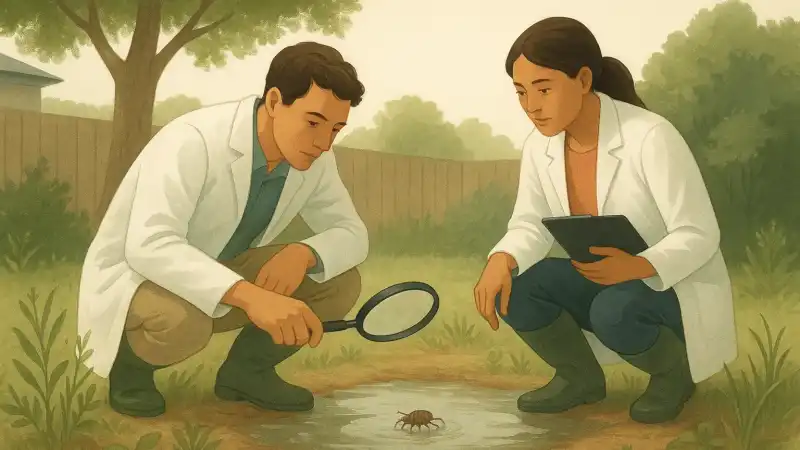
How a backyard puddle led scientists to a new species of water mite
After a rain, a backyard puddle looks like nothing. But to a biologist with a hand lens, it can be a tiny lake with its own food web.
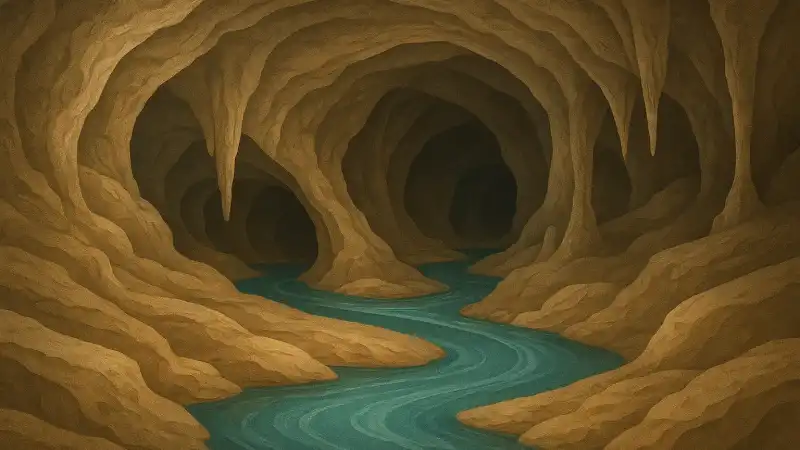
How subterranean rivers hollow out caves through chemical weathering
If you stand at the mouth of Mammoth Cave in Kentucky, it’s hard to picture the slow work happening under your feet.
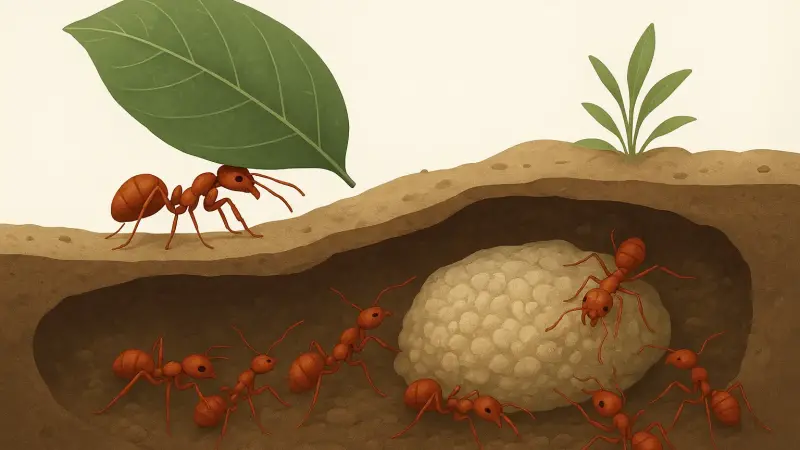
How leafcutter ants cultivate fungal gardens that never touch sunlight
It feels like a rule: plants need sunlight, so anything that eats plants must be connected to sunlight too. Leafcutter ants break that chain.
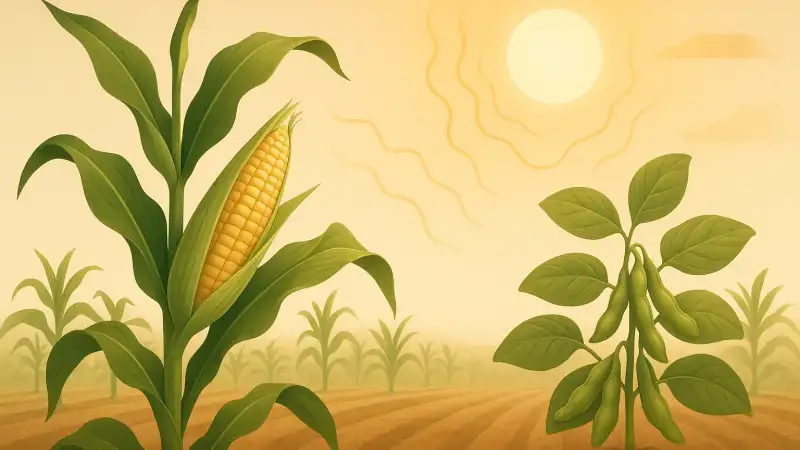
How photorespiration makes hot days harder for crops
Walk through a corn field on a hot afternoon and you can feel how hard the plants are working. This isn’t one single place or one single event.
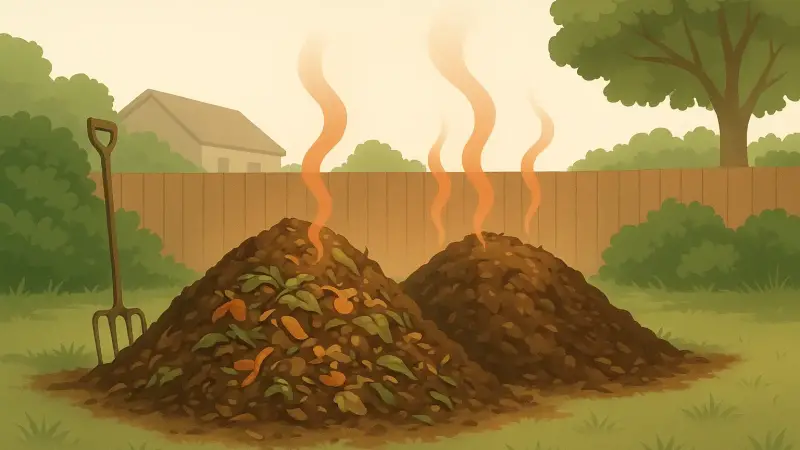
How backyard compost heaps generate heat and reduce food waste
If you’ve ever walked past a compost heap on a cold morning and noticed steam, it can feel oddly out of place. There isn’t a heater in there.
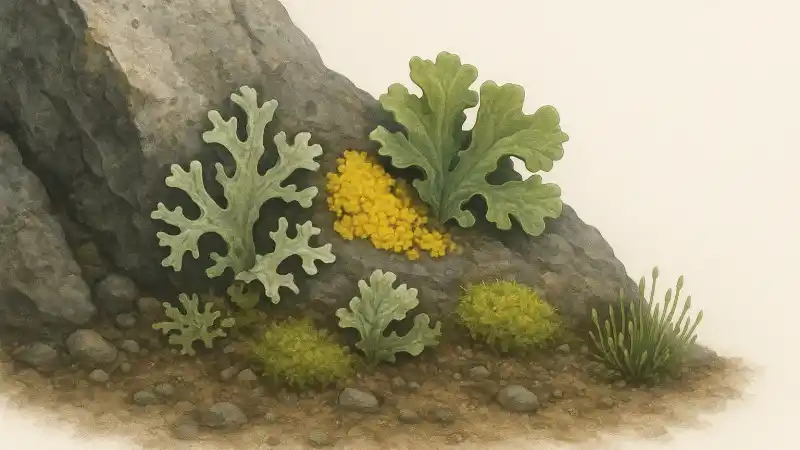
How lichens turn bare rock into the first soil
Why bare rock doesn’t stay bare If you’ve ever walked across a fresh lava field in Iceland or looked closely at the pale granite around Yosemite, you’ve.
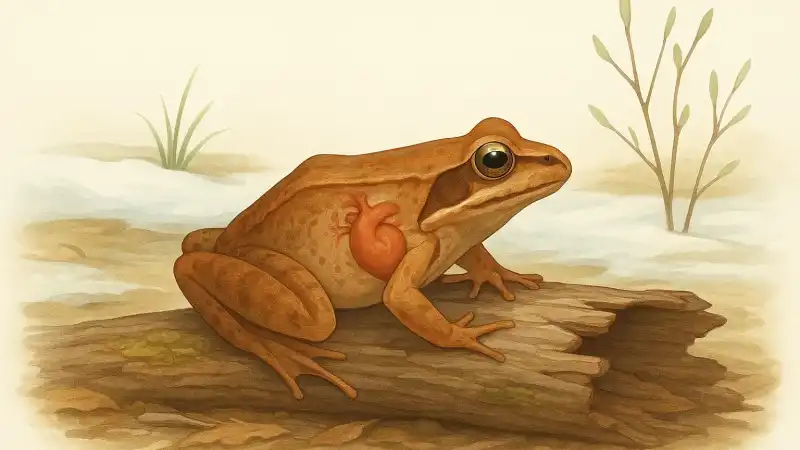
The wood frog that stops its heart and revives with spring thaw
It sounds like a mistake when you first hear it.
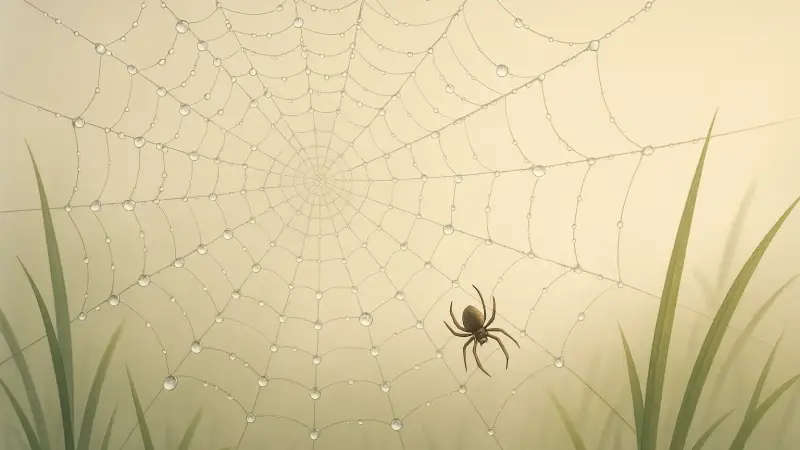
Why morning dew beads on spider silk and not on nearby grass
On some cool mornings, a spider web looks like it’s been strung with pearls while the grass around it looks almost dry.
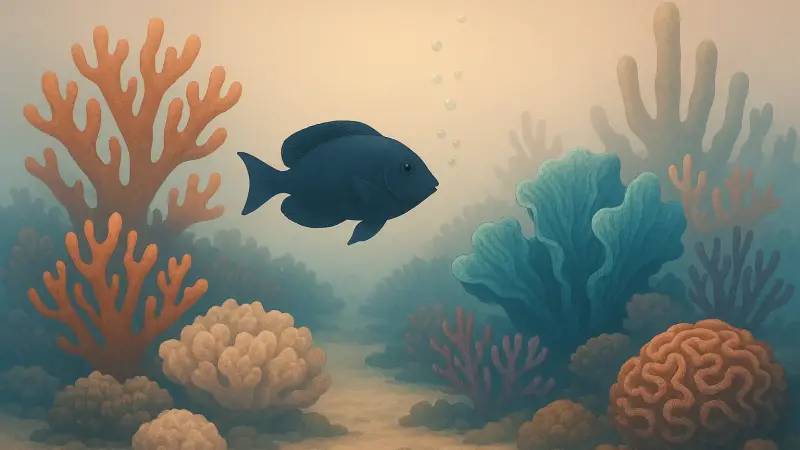
The coral reef chorus: why reefs hum after dusk
Hearing a reef after dark People who dive at night sometimes notice it first as an odd background buzz. Not from the boat.