Nature and Science
•Animals, plants, planet •Small, digestible science explanations

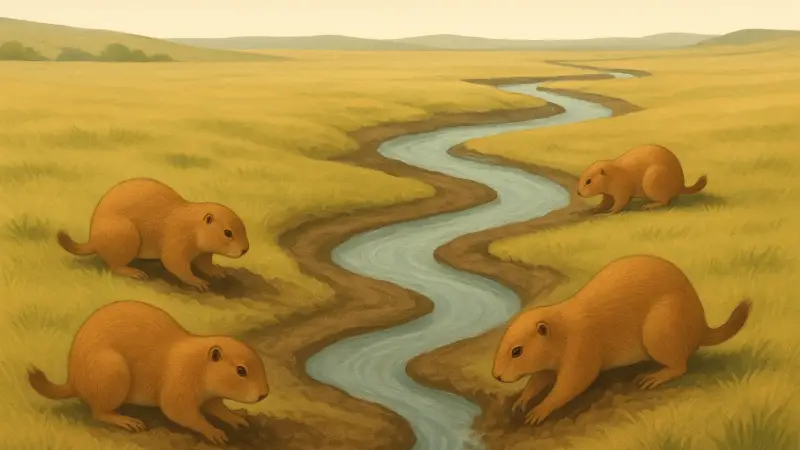
How prairie dogs shape rivers by digging
Why a burrowing animal matters to a river It’s a quiet contradiction on the Great Plains.
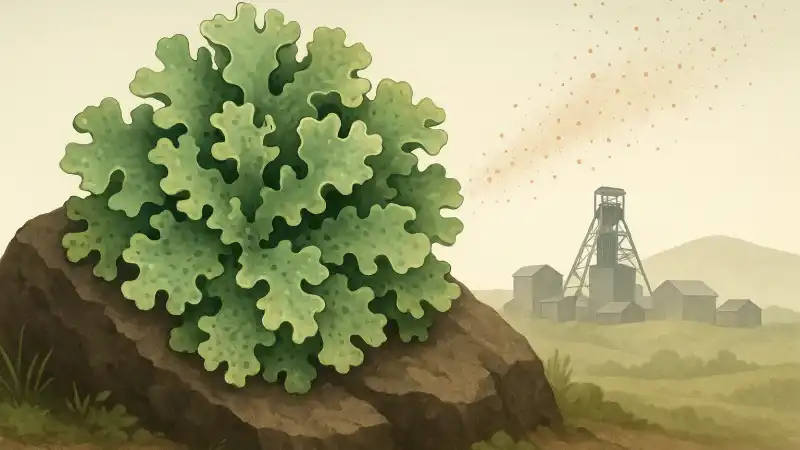
The lichen that eats airborne metals in mining towns
A patch on a wall that acts like a filter If you walk past an old brick wall near a mine, you might see pale crusts or leafy gray-green patches clinging.
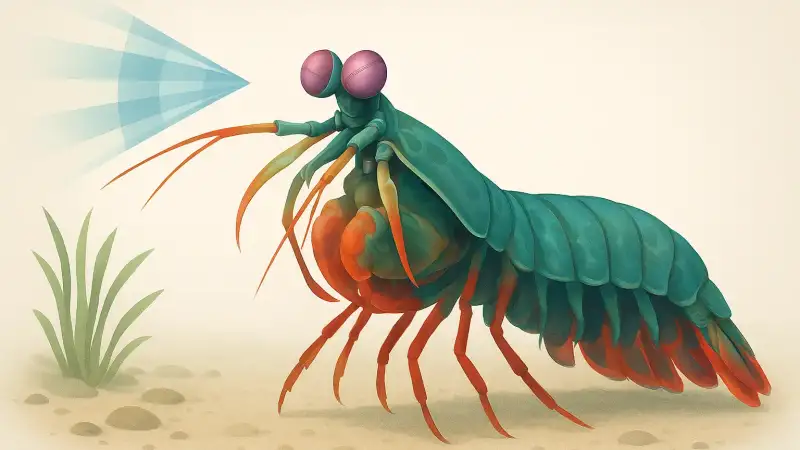
How mantis shrimp detect polarized light
A simple question people rarely ask Light doesn’t just have brightness and color. It also has an orientation, called polarization.
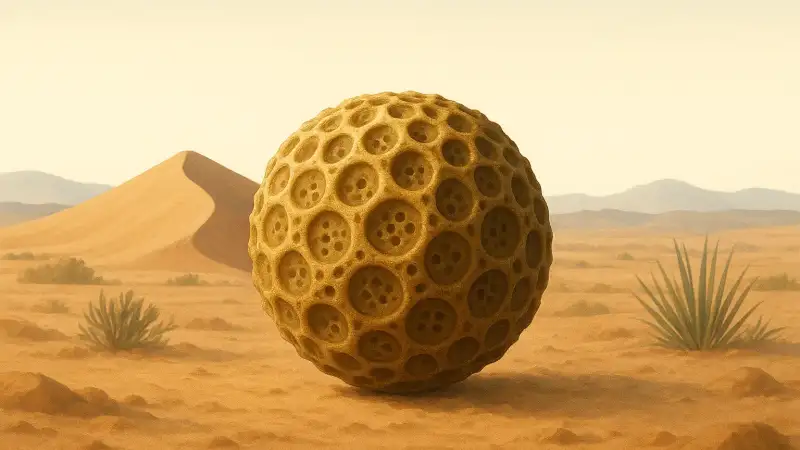
Why singing sand dunes howl when wind sweeps them
Some sand dunes don’t stay quiet when the wind picks up. They can make a steady hum, a low moan, or a deep booming note that carries across a valley.
The tiny fossil pollen that rewrote a desert’s past
How can a desert have a memory? When people picture a desert, they picture empty space: sand, rock, heat. But deserts keep records.
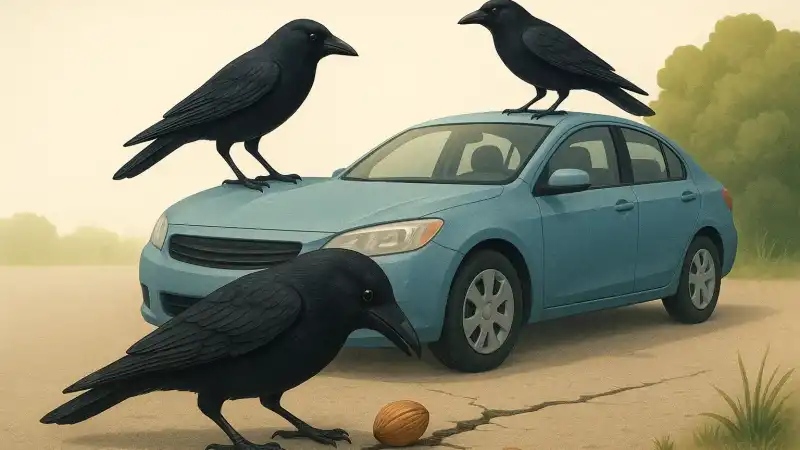
How crows use cars to crack nuts
At some intersections, you can watch a crow do something that looks almost like planning. This isn’t one famous “crow town,” either.
How gut microbes extract energy from fiber
Most people learn that fiber “has no calories,” and then get confused when they hear that it can still feed you. This isn’t one single event in one place.
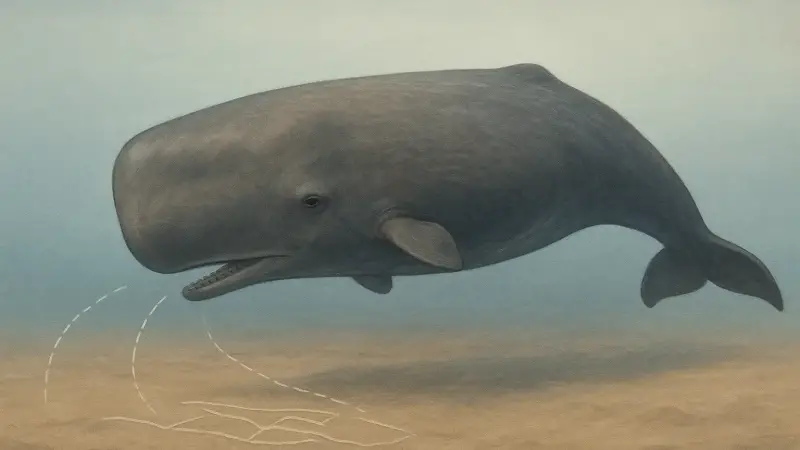
How sperm whale clicks sketch the seafloor
A simple question people rarely ask People know sperm whales make loud clicks to hunt squid in the dark.
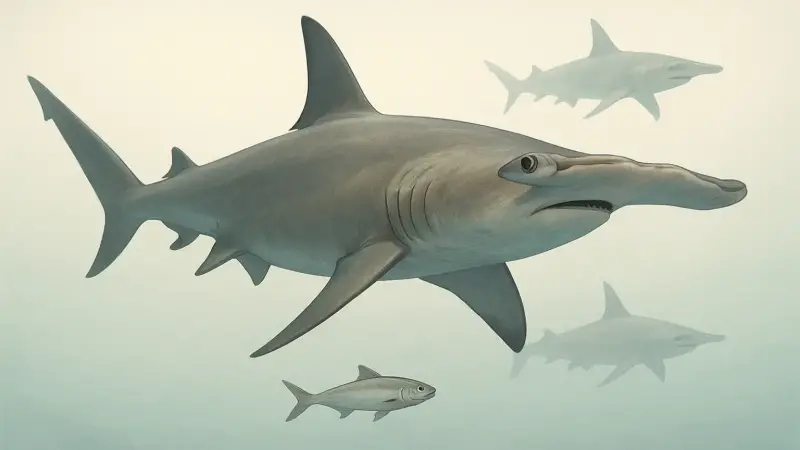
How hammerhead sharks use a wide head to scan for prey
Why that head looks so impractical If you’ve ever seen a hammerhead glide past in a video from the Florida Keys or Hawaii, the first reaction is usually.
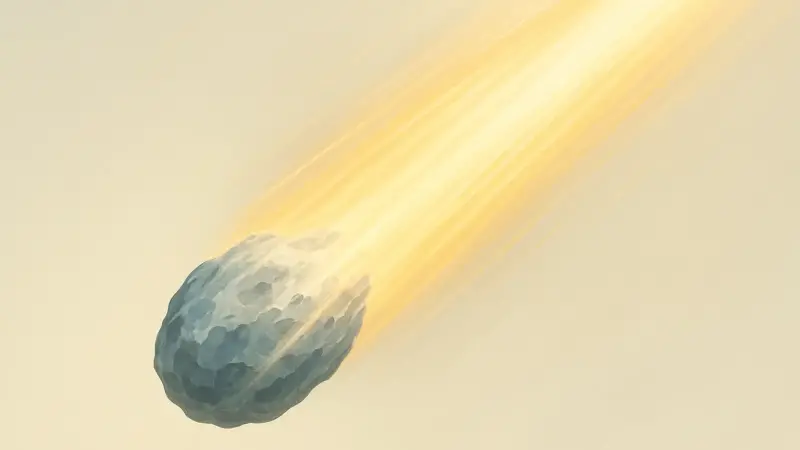
How comet ice turns sunlight into streaming jets
Why ice can act like a tiny engine Sunlight feels gentle on skin, so it’s odd to hear that it can make a comet “spray” material into space.