Nature and Science
•Animals, plants, planet •Small, digestible science explanations

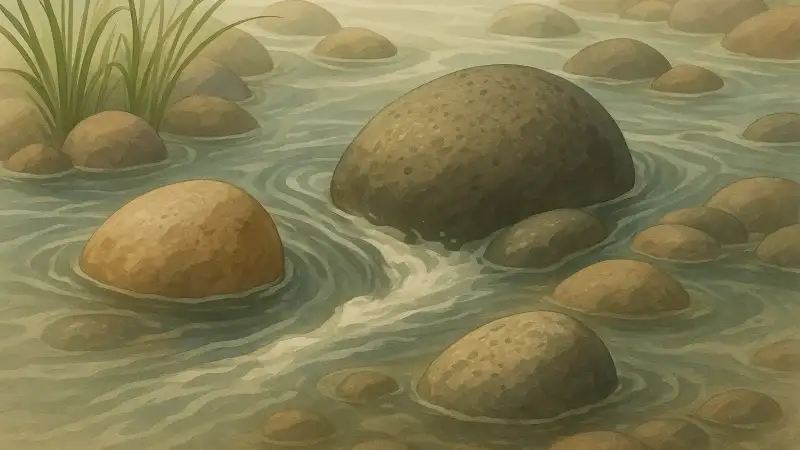
Why some river stones sing when water rushes over them
Stand near a fast riffle and you might hear a thin, glassy chirp mixed into the roar. It isn’t a bird. It can be a stone.
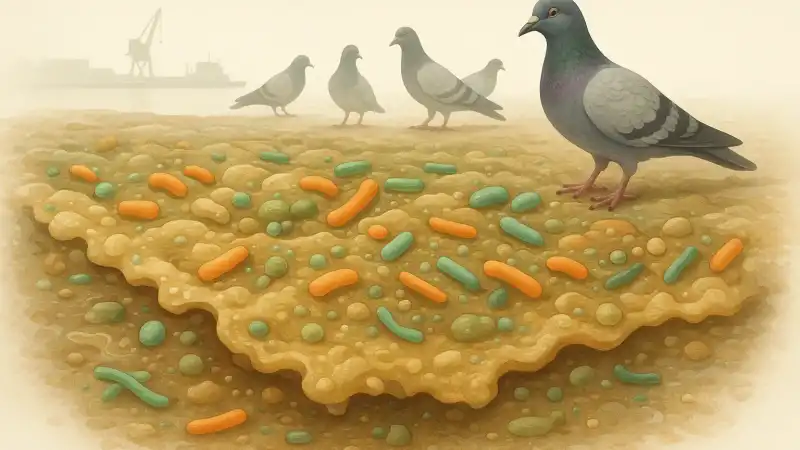
Why urban pigeons harbor unusual antibiotic resistant microbes
Not just “dirty birds” Most people notice pigeons when they’re close enough to be annoying.
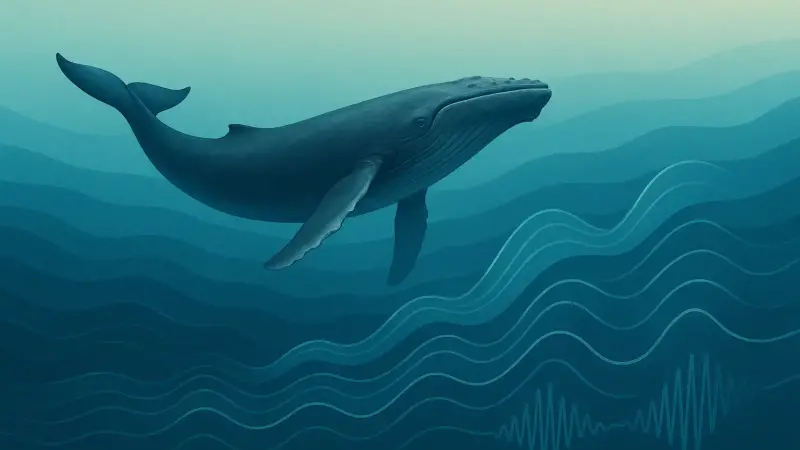
How whale songs bend in deep ocean layers
Sound that doesn’t travel straight It’s easy to picture a whale call moving through water like a straight beam. In the open ocean it usually doesn’t.
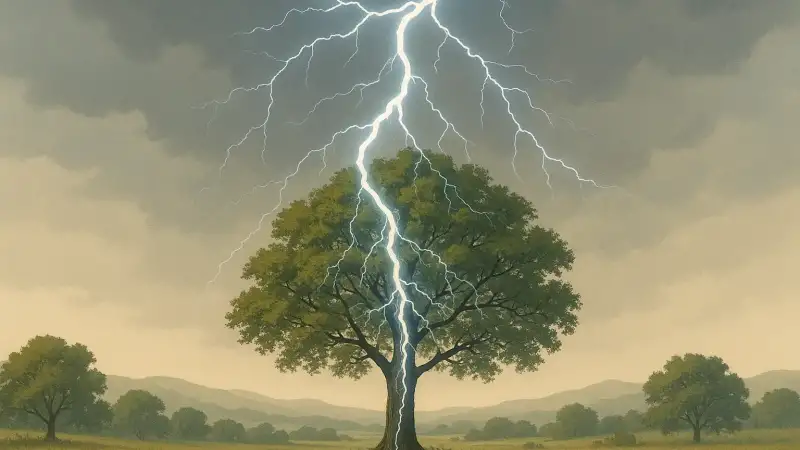
Why lightning sometimes strikes the same tree dozens of times
A lot of people learn the line “lightning never strikes the same place twice,” then notice a tree that looks like it’s been hit over and over.
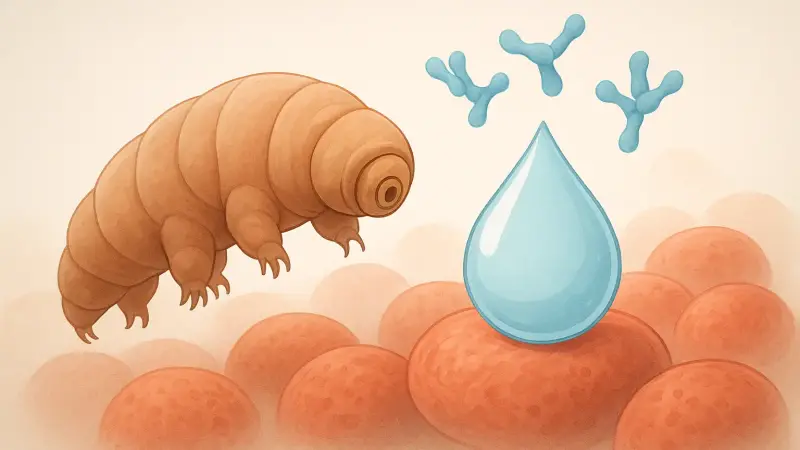
How tardigrade proteins stop cells from drying out
Drying out usually ruins cells A grape can turn into a raisin and still be food. A cell can’t do that.
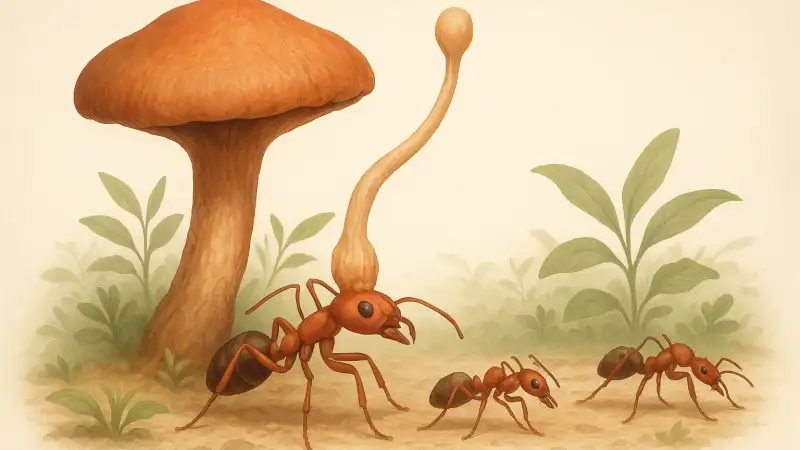
The fungus that turns ants into trail-building automatons
If you watch a line of ants crossing a forest floor, it looks like pure teamwork.
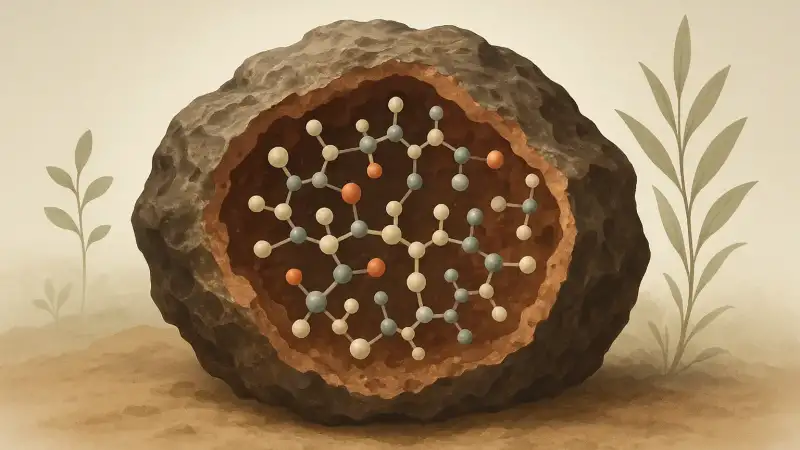
What organic molecules in a meteorite reveal about early solar chemistry
A simple question people rarely ask When a meteorite lands, people usually talk about the flash, the crater, or the weirdly heavy rock you can hold in.
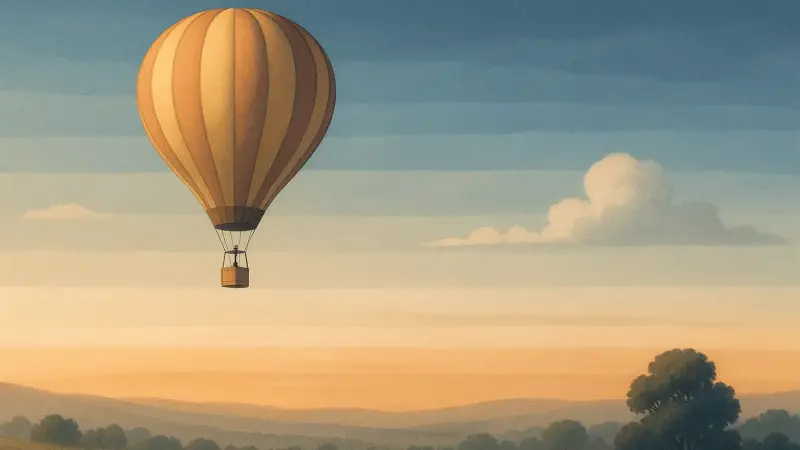
How early balloon ascents revealed temperature layers in the atmosphere
A simple question that wasn’t easy to answer from the ground People had thermometers for a long time, but for a while they couldn’t answer a basic.
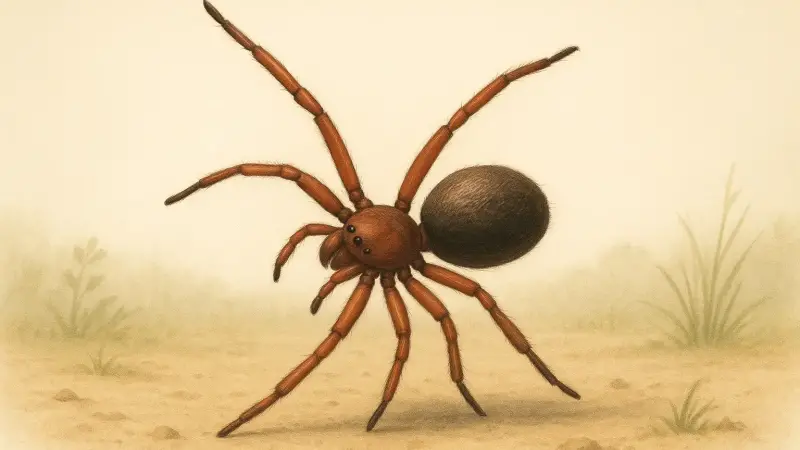
The spider that cartwheels to flee danger
You don’t expect a spider to roll away like a gymnast. But some do. This isn’t one single species, and it isn’t tied to one place.
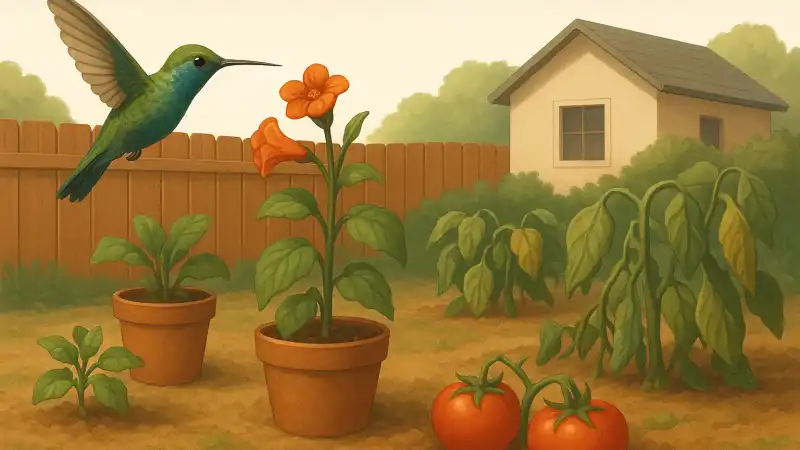
How backyard pollinator losses shrink vegetable harvests
You can have healthy-looking tomato vines, lots of cucumber flowers, and still end up with a strangely small bowl at harvest.