Nature and Science
•Animals, plants, planet •Small, digestible science explanations

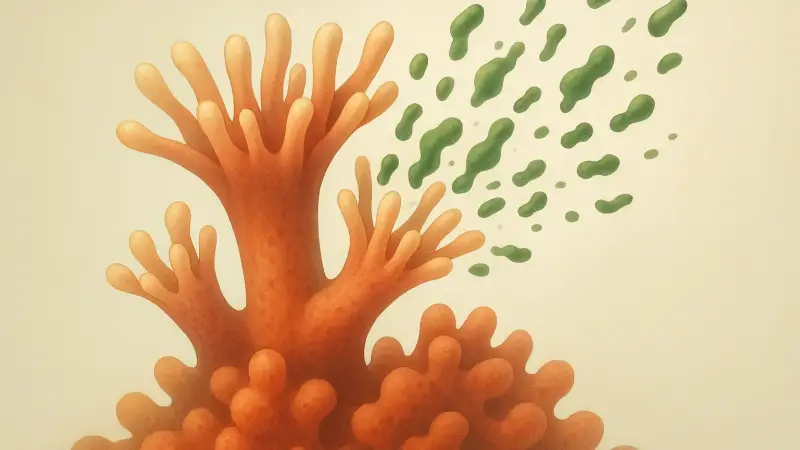
Why coral polyps expel algae during warming
People often hear “coral bleaching” and picture a reef suddenly turning white, like someone flipped a switch. It isn’t one single event in one place.
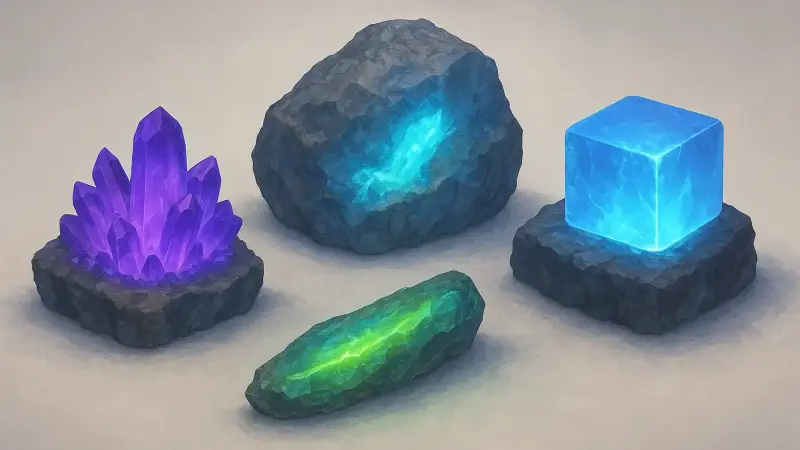
Why certain minerals glow under ultraviolet light
A thing you can see, and a thing you can’t At a mineral show, someone will switch on a UV lamp and a plain rock can suddenly look electric.
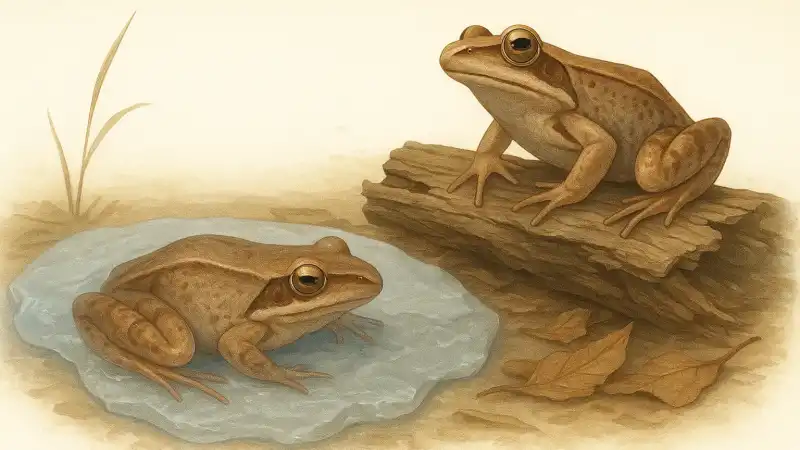
How wood frogs survive freezing solid
A frog that spends winter as a block of ice On a cold spring day in Alaska or northern Minnesota, you can find a wood frog that looks dead in the leaf.
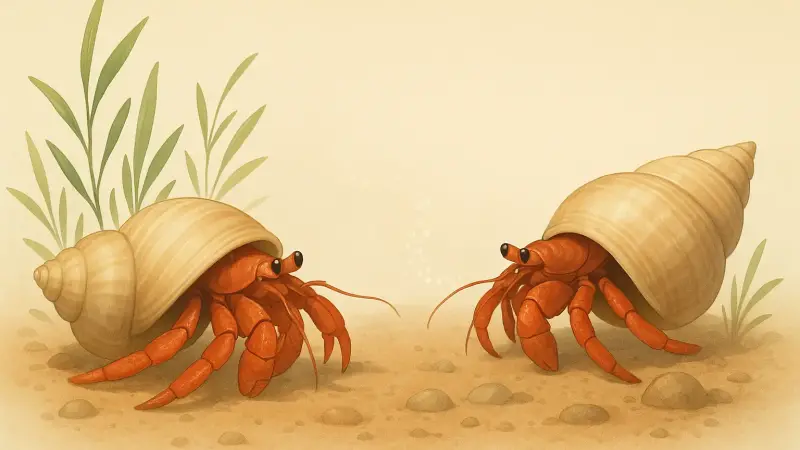
How hermit crabs choose shells using chemical cues
Why a shell can “smell” right At a rocky tide pool, a hermit crab can pass a shell that looks fine and still keep walking.
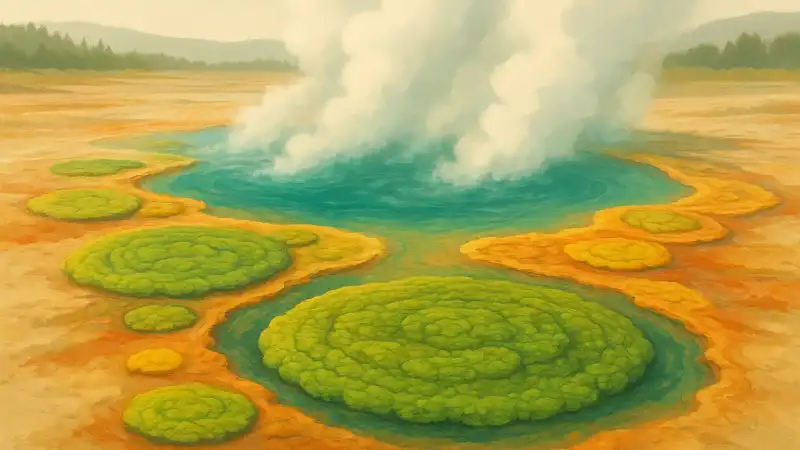
How photosynthetic bacteria thrive in boiling hot springs
Why boiling water doesn’t always mean “no life” People hear “boiling hot spring” and picture a sterile pot of water.
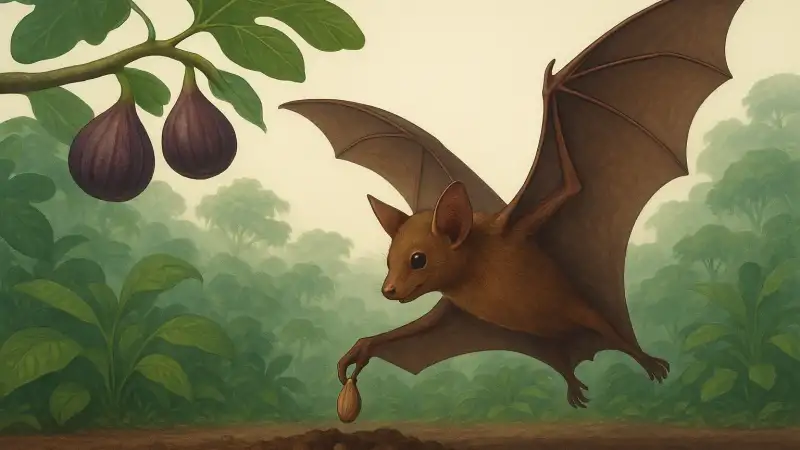
A rainforest bat that farms figs by planting seeds
A bat that behaves like a gardener People rarely ask where a fig tree “starts” in a rainforest. Not the species. One specific tree.
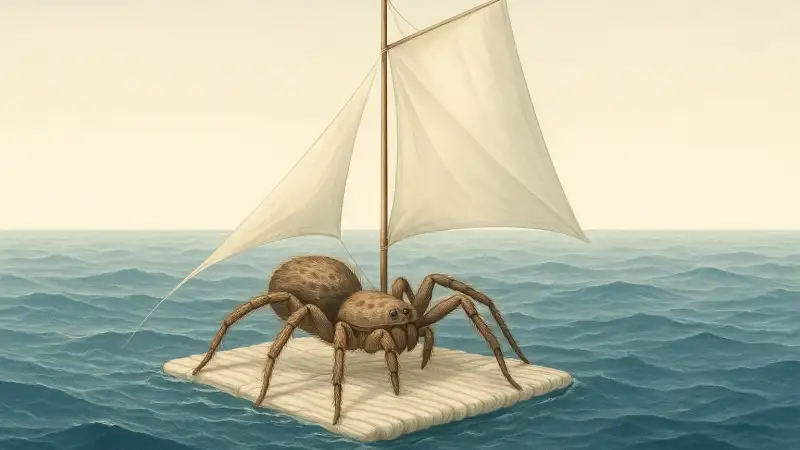
The spider that sails on silk rafts to cross oceans
Seeing spiders where there shouldn’t be spiders People sometimes report spiders landing on boats far from shore, or showing up on small islands that don’t.
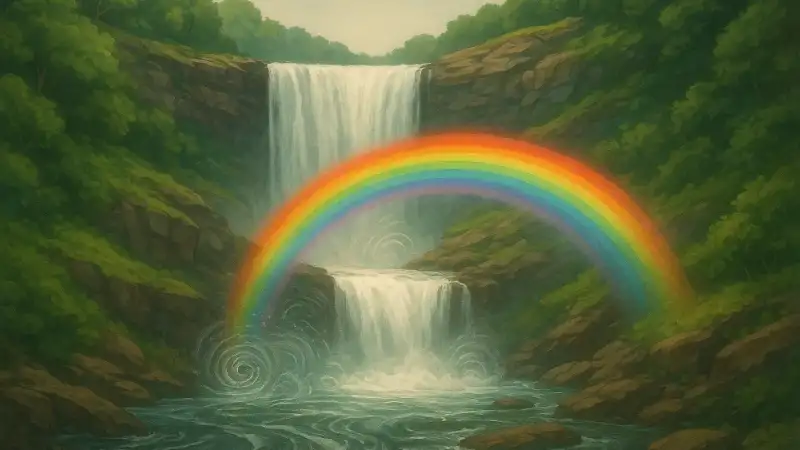
How tiny vortices make rainbows around waterfalls
Seeing color in “white” water Stand near a big drop of water and the air can look plain one second, then suddenly show a clean arc of color.
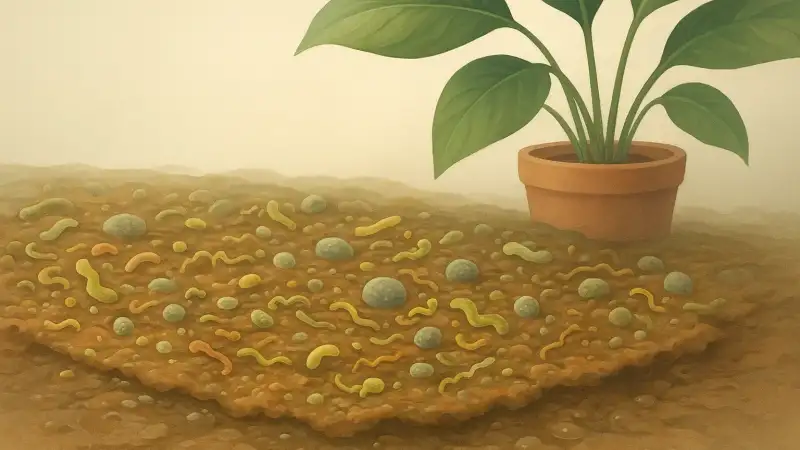
How indoor plants change room microbes and alter airborne chemistry
What changes when you add a living leaf to a room You can water a pothos in a Brooklyn apartment, set a peace lily in an office in Singapore, or keep a.
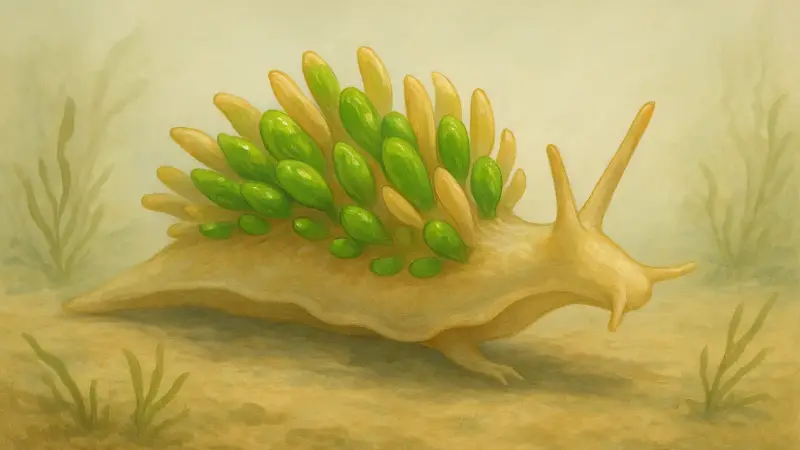
The sea slug that steals chloroplasts and runs on borrowed sunlight
A slug that behaves like a leaf Some animals eat plants and stay animals.