Nature and Science
•Animals, plants, planet •Small, digestible science explanations

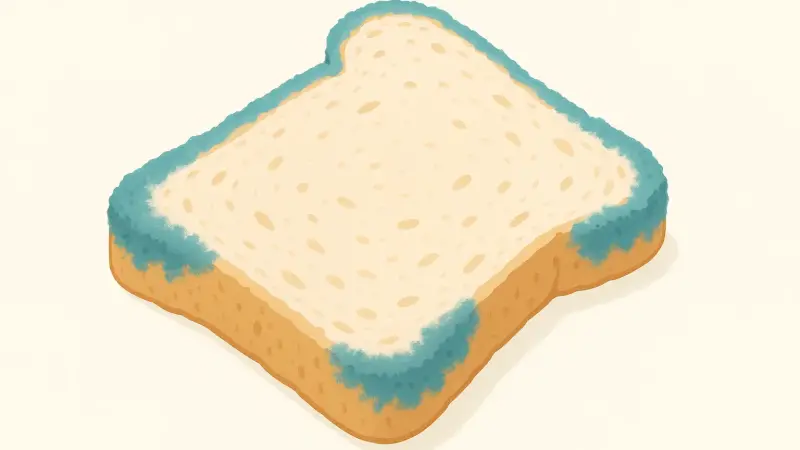
Why blue mold appears first on bread edges
That first fuzzy spot is usually on the crust You notice it when you pull a slice from the bag and tilt the loaf toward the window.
Why some algae turn sandy bays bright green
Seeing a bay go neon People notice it because it looks wrong.
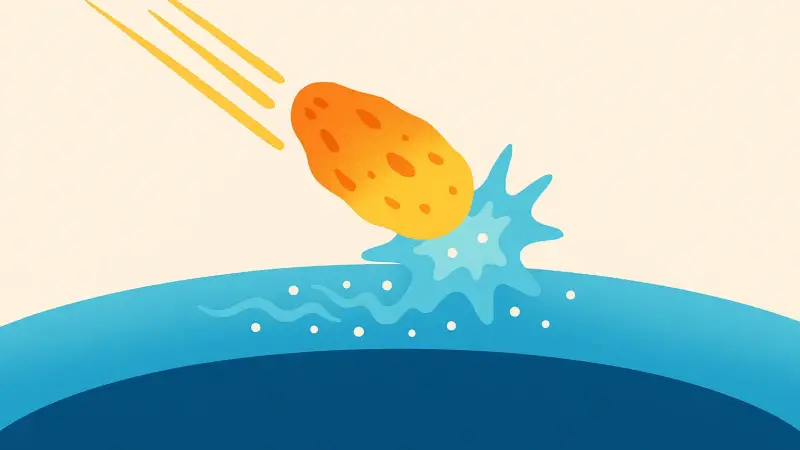
How meteoroids ionize the upper atmosphere
A small thing you’ve probably seen A meteor streak looks like a brief scratch of light, and it feels like it’s just “burning up.” But the light is only.
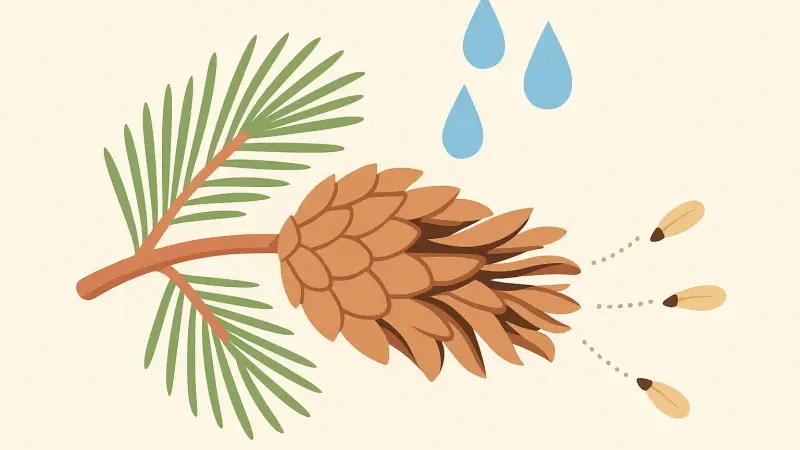
How pine cones use humidity to trigger seed release
A pine cone looks dead until the air changes Pick up a pine cone on a damp morning and it often feels tight and heavy, like it’s still holding itself shut.
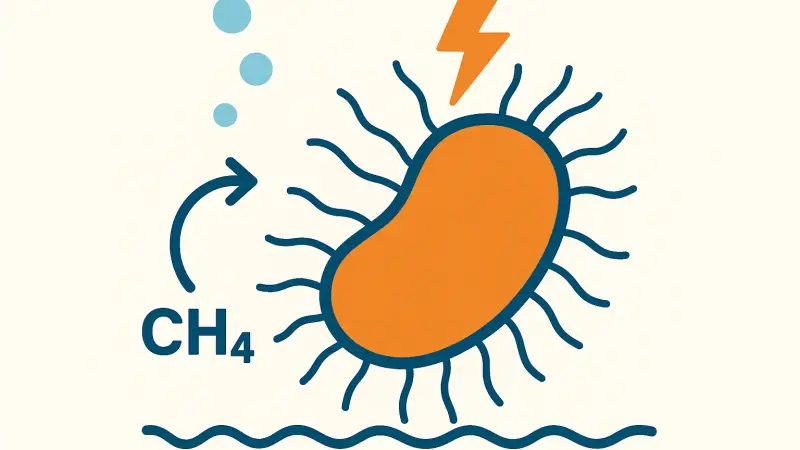
How deep-sea microbes turn methane into energy
Why methane doesn’t always escape It’s a quiet contradiction.
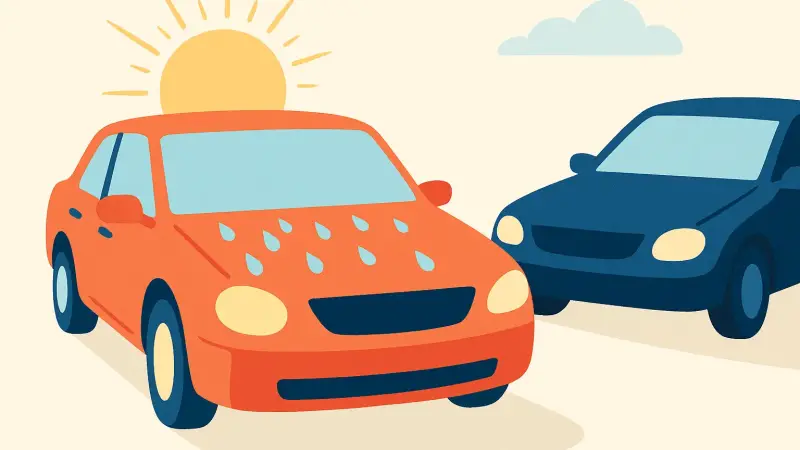
Why morning dew forms on some car hoods and not others
You walk out early and one car looks like it spent the night in a cloud, while the one next to it is almost dry. It isn’t one specific place or event.
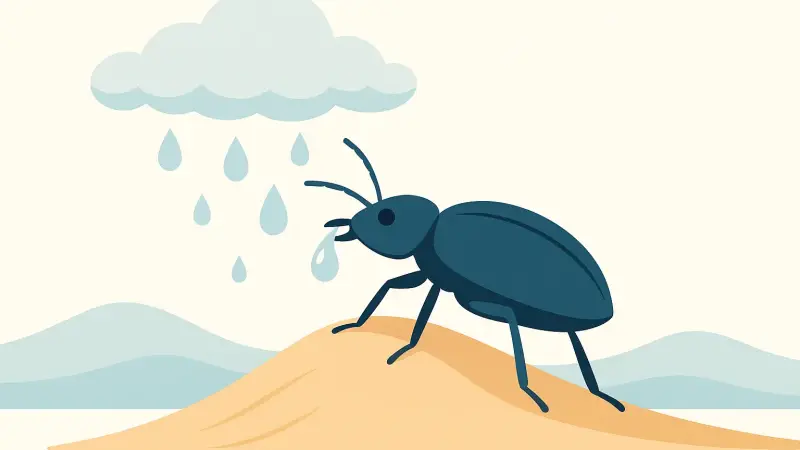
The beetle that drinks fog as its water source
A beetle that uses fog like a water bottle Fog looks like air that forgot how to be invisible.
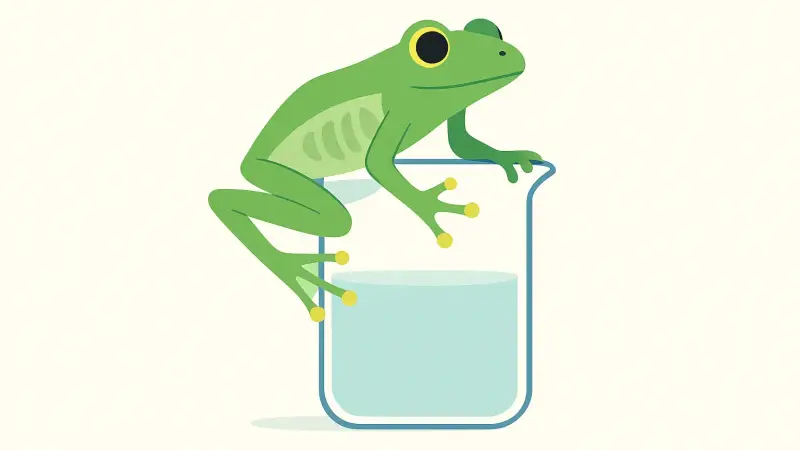
The chemistry behind glass frogs’ see-through skin
Seeing through an animal should not work Hold a flashlight up to your hand and you can’t see your bones.
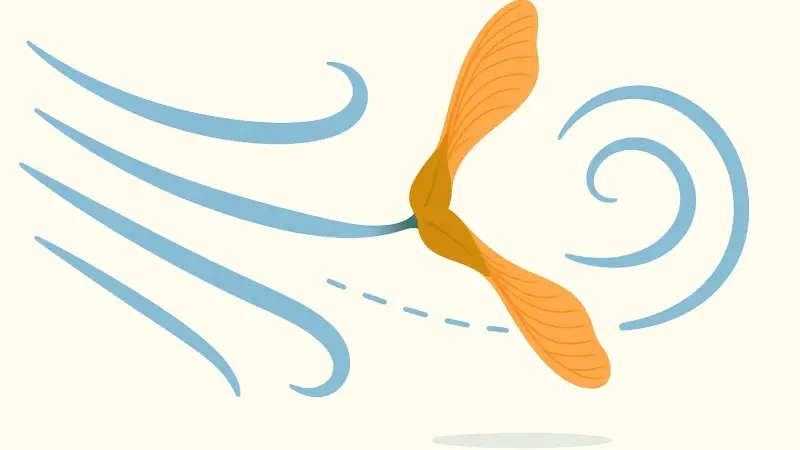
How wind vortexes carry maple seeds tens of kilometers
Why a “tiny helicopter” seed can go so far On a calm sidewalk, a maple seed looks like it should land close by.
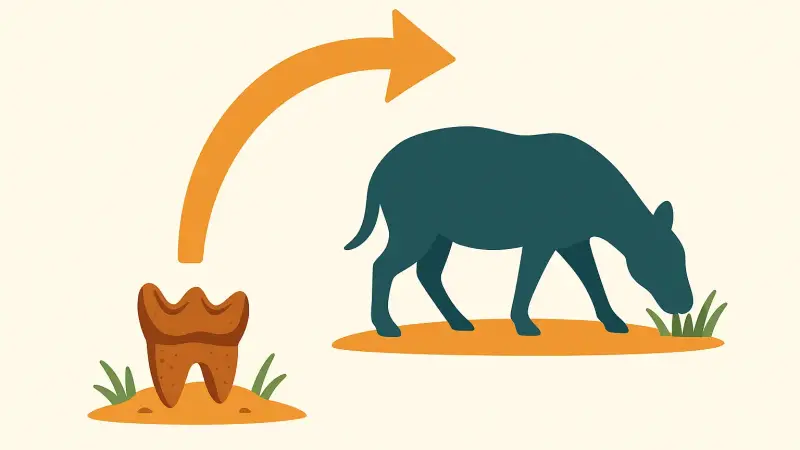
The fossil tooth that changed what we know about mammal diets
A tooth sounds like a small thing to build a big story on. But in paleontology it’s often the most talkative fossil you get.