Nature and Science
•Animals, plants, planet •Small, digestible science explanations

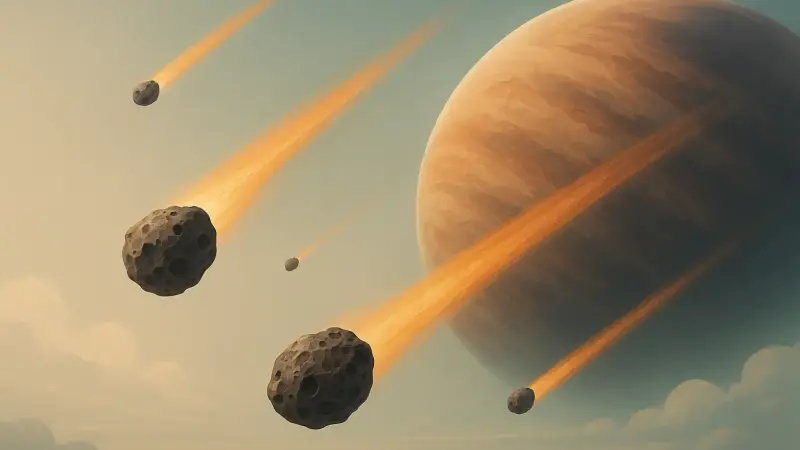
How micrometeorites alter planetary atmospheres
Dust that arrives already moving fast People notice meteors because they flare.
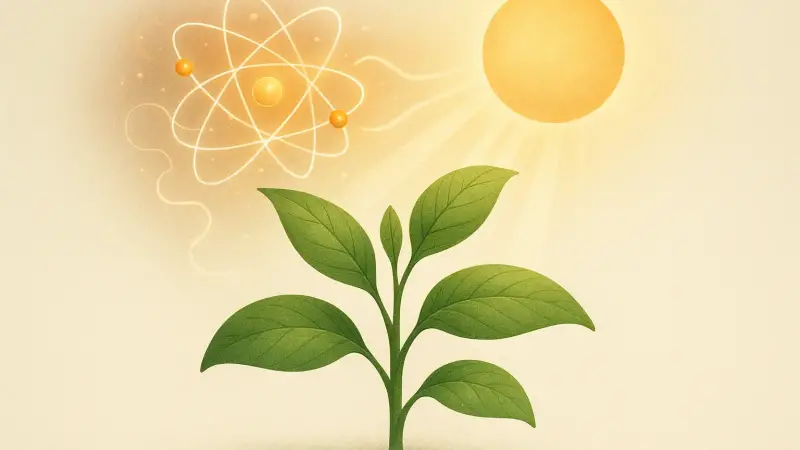
How quantum coherence helps plants harvest light
Light hits a leaf, but where does it go? A leaf can look flat and calm in the sun. Inside, it’s a fast handoff.
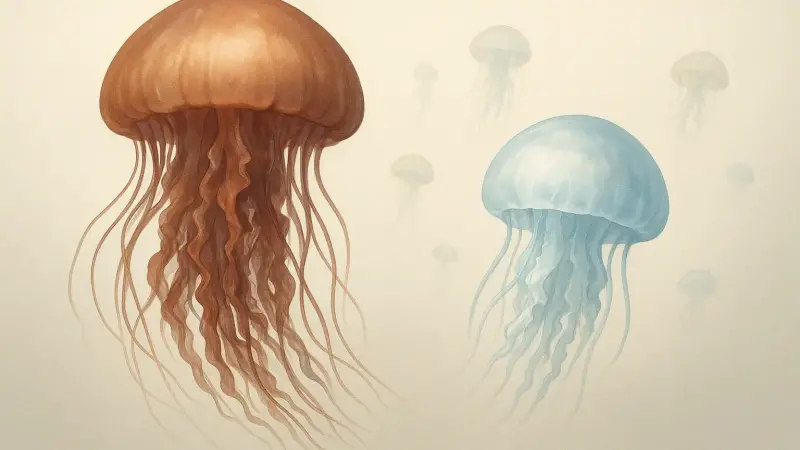
Jellyfish that revert to adolescence when stressed
How a jellyfish can go backward Most animals only get older in one direction. But one small jellyfish breaks that expectation in a very specific way.
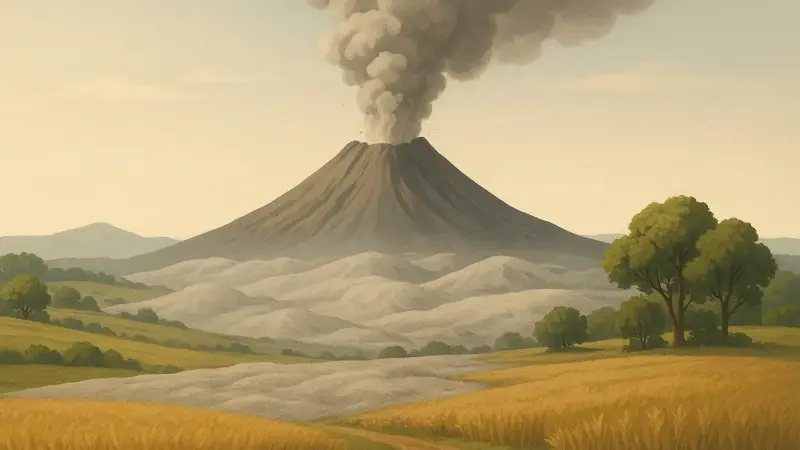
How volcanic ash once cooled climates and shrank harvests
Why a volcano can change the weather far away People tend to picture volcanic ash as a local problem, like gritty air and dark skies near the mountain.
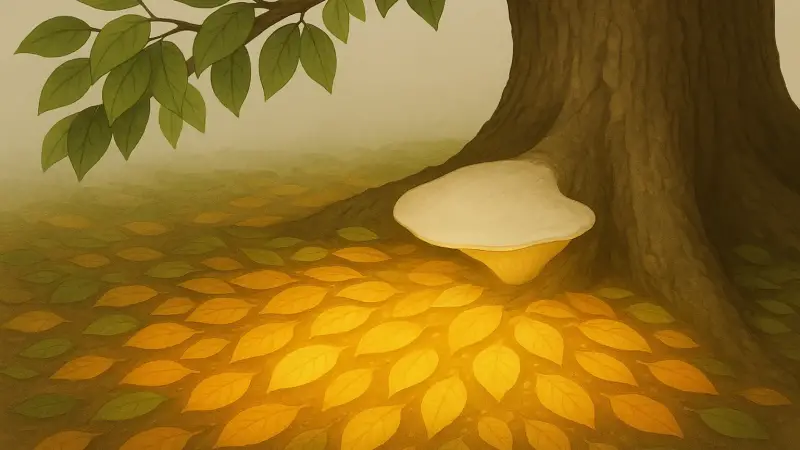
The fungus that turns tree leaves into luminous carpets
Why some fallen leaves glow If you’ve ever walked a dark trail and noticed a faint greenish glow coming off a patch of leaf litter, you’re not alone.
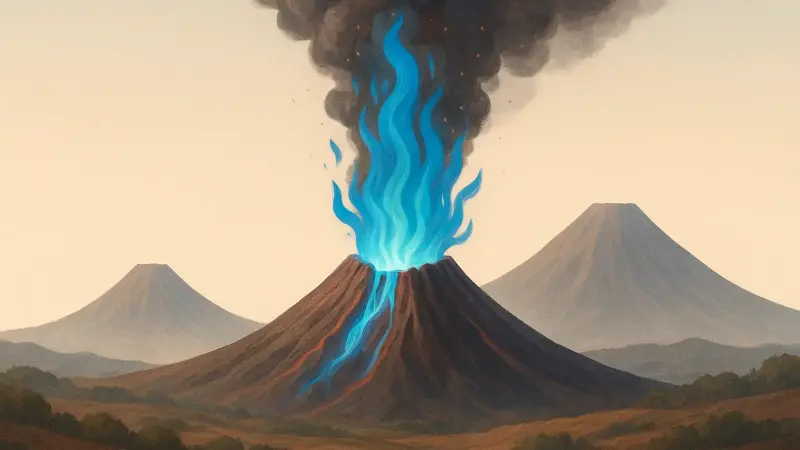
Why volcanoes sometimes explode with blue flames
A blue flame isn’t “lava on fire” Fire is usually orange, so a blue glow on a volcano looks wrong at first. It’s not one single famous event, either.
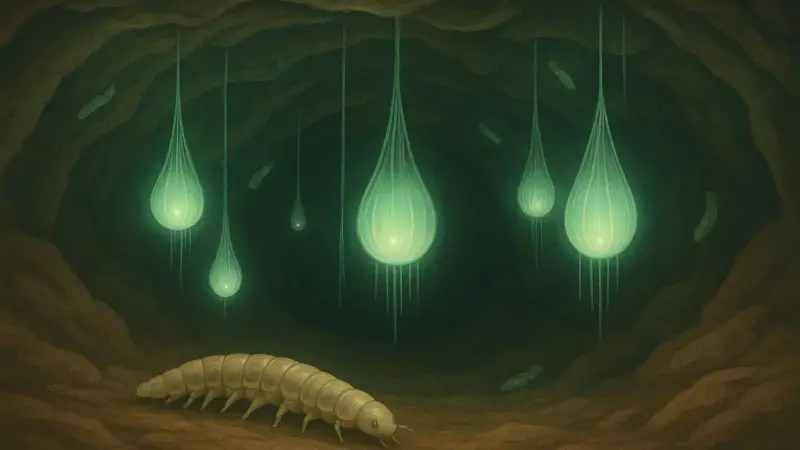
How glow worms build living lanterns in caves
If you walk into a dark cave and see “stars” pinned to the ceiling, it’s hard to believe they’re made by larvae. This isn’t one single cave, either.
Why morning fog hugs river valleys
Seeing it happen If you’ve driven along the Mississippi River near La Crosse, Wisconsin at dawn, you’ve probably seen it: a clean band of fog sitting in.
How cave microbes harvest energy from rock deep underground
It feels obvious that life needs sunlight, but caves keep proving otherwise.
The sea urchins that grind coral into tropical sand
A beach detail most people don’t question Walk along a white beach in a place like Hawaiʻi, the Maldives, or the Florida Keys and it’s easy to assume the.