Nature and Science
•Animals, plants, planet •Small, digestible science explanations

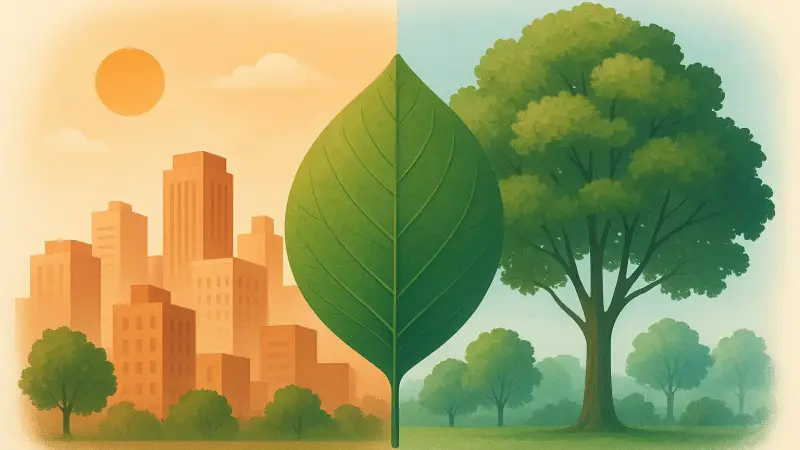
How urban trees change city temperatures with leaf chemistry
On a hot afternoon in New York City’s Central Park, it can feel a few degrees cooler under a tree than on the sidewalk a block away.
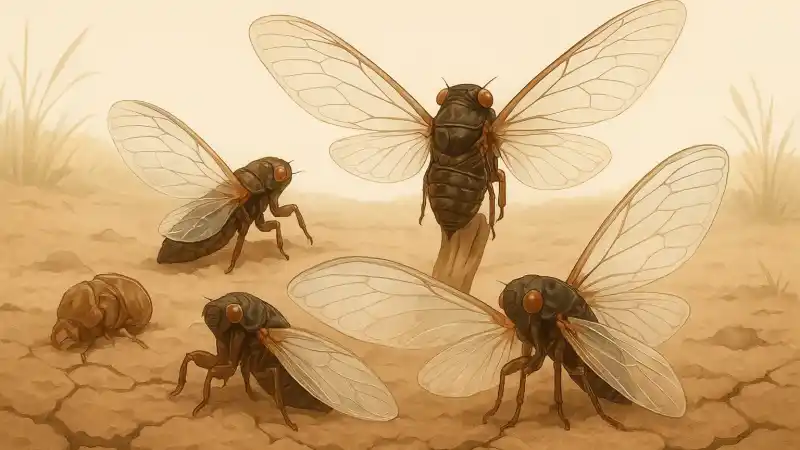
Why some cicadas emerge with transparent wings after drought
Seeing it after a dry summer People notice it most after a hard dry spell: cicadas crawl out of the soil, climb a fence post, and the new adults look.
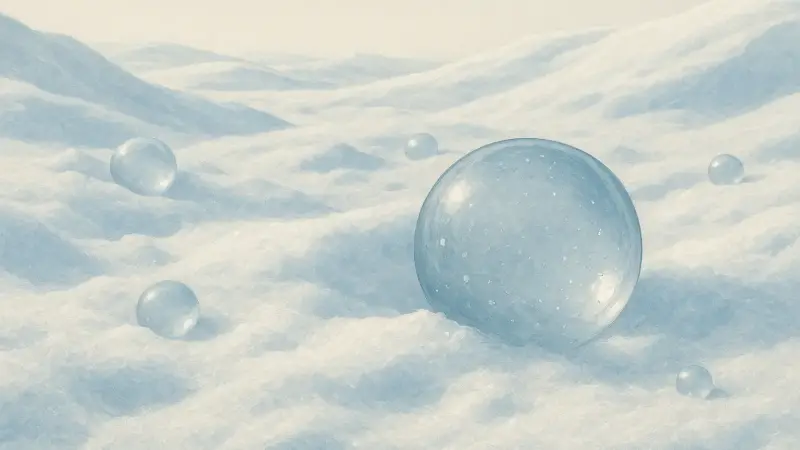
Why frost paints fractal patterns on cold windows
Seeing it on the glass On some winter mornings, a window doesn’t just look “frosty.” It looks drawn on.
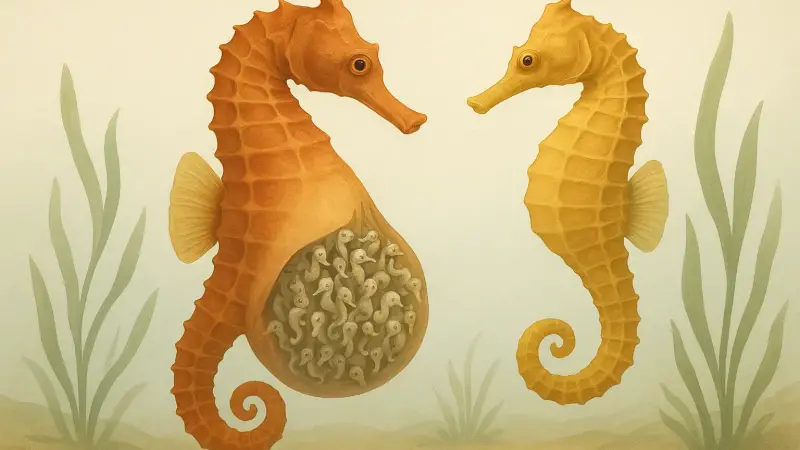
How male seahorses carry and birth dozens of babies
People hear “male pregnancy” and assume it’s a slogan, not a literal body plan.
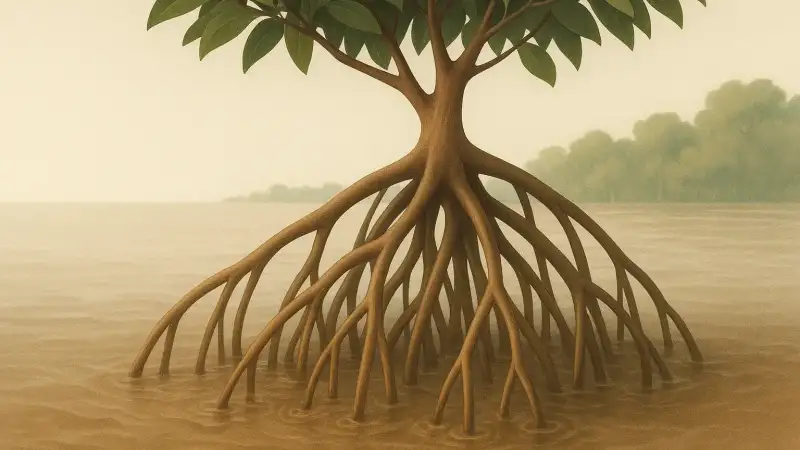
How mangrove roots breathe in muddy water
Stand near a mangrove at low tide and you can see the problem. The mud is black and soupy. It smells like rotten eggs.
When a solar storm painted auroras across low latitudes
Why the sky sometimes ignores latitude Auroras are supposed to be a high-latitude thing.
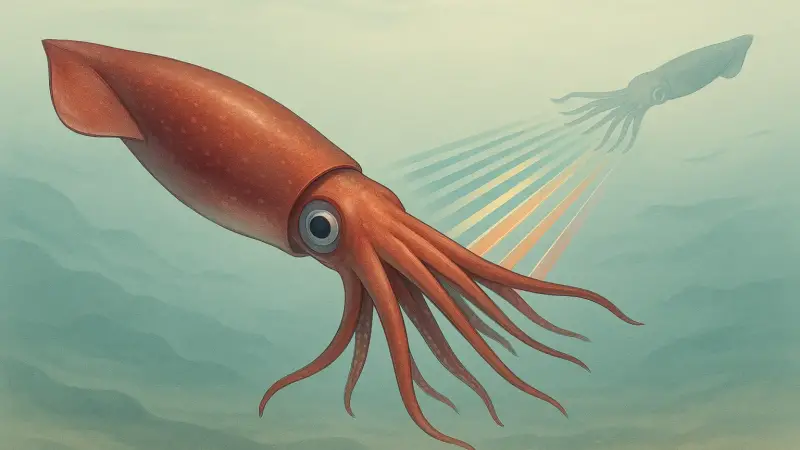
How squid see and signal with polarized light
Polarized light is information most eyes miss People talk about squid “changing color,” but a lot of their signaling doesn’t look like much to us at all.
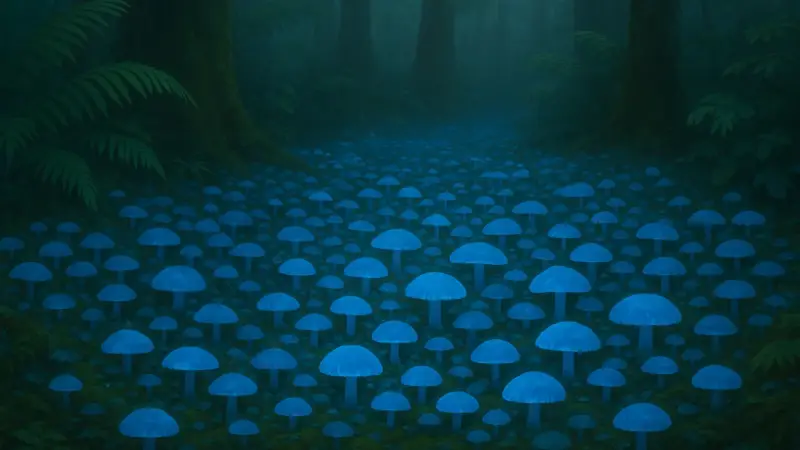
The fungus that carpets rainforest floors in blue light
A glow that only shows up when the forest is dark enough If you walk a rainforest trail at night, there’s a moment when your eyes adjust and the ground.
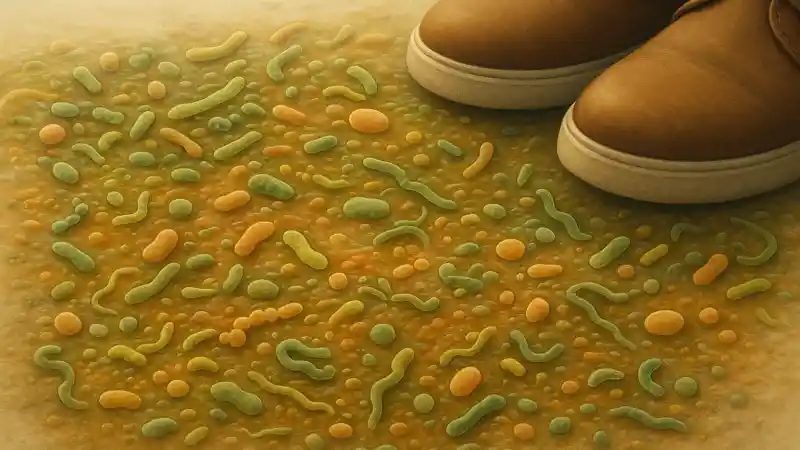
The microbes living on commuter shoes
What’s riding home on the soles After a commute, shoes look mostly the same. Maybe a scuff. Maybe a bit of grit in the tread.