Nature and Science
•Animals, plants, planet •Small, digestible science explanations

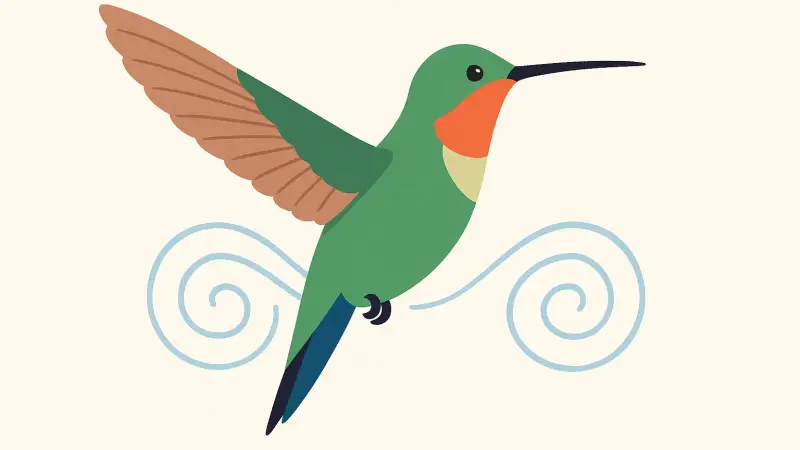
Why hummingbird wings create tiny vortices that aid hovering
Watching a hummingbird hover at a feeder feels like watching something ignore gravity.
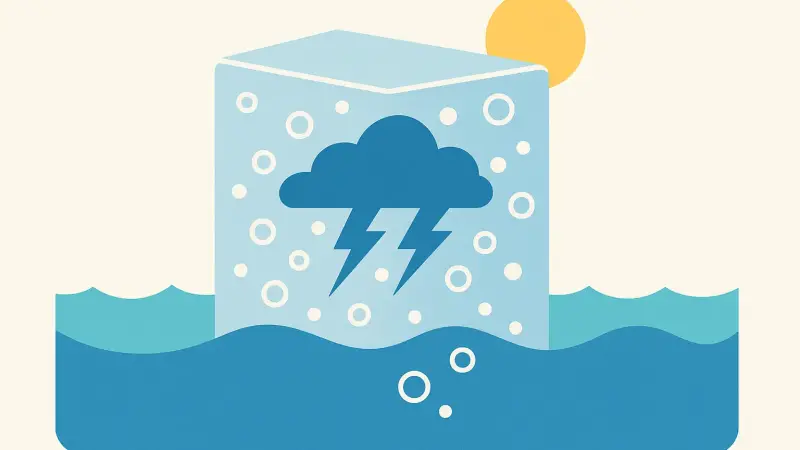
How seawater ice traps air bubbles that record ancient storms
A simple question people rarely ask When you see a piece of sea ice, it’s easy to assume it’s just frozen ocean water.
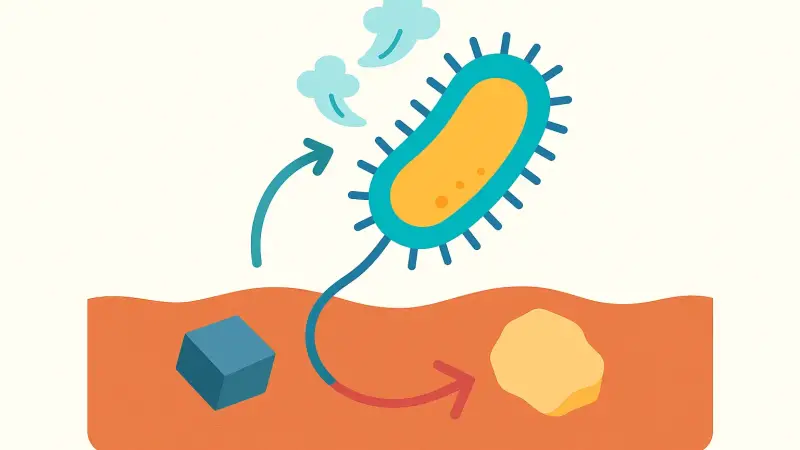
Microbes that breathe metals and reshape subterranean chemistry
Underground life that doesn’t need oxygen If you’ve ever seen rusty groundwater stain a sink or a culvert, you’ve seen iron chemistry leaking into daily.
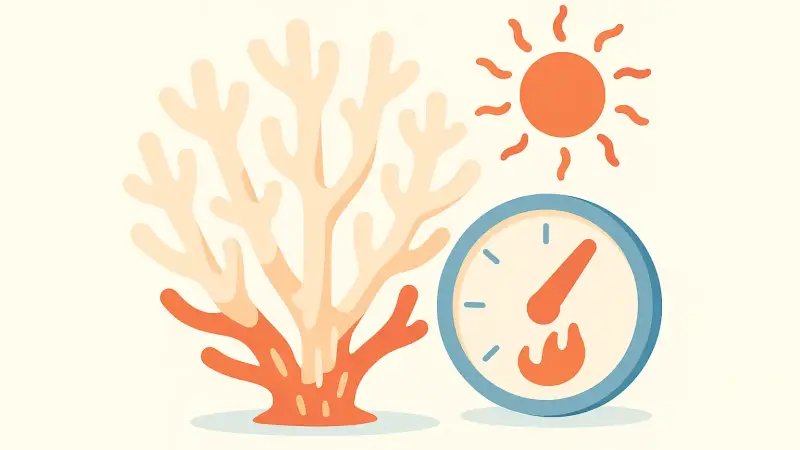
Coral skeletons as time capsules of ocean heat spikes
A simple question people rarely ask People talk about ocean heatwaves as if they’re brand-new things, but the ocean has always had spikes and dips.
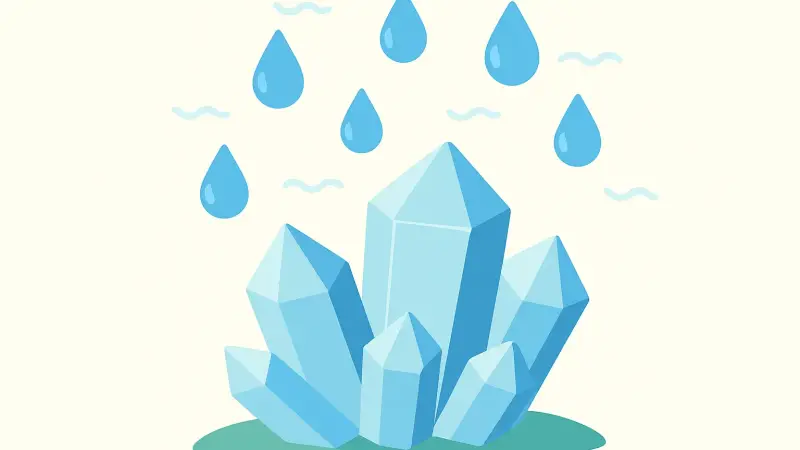
A mineral that drinks fog: how crystals harvest water from air
Fog looks dry until it isn’t Fog feels like air. It drifts past your face and nothing seems to stick.
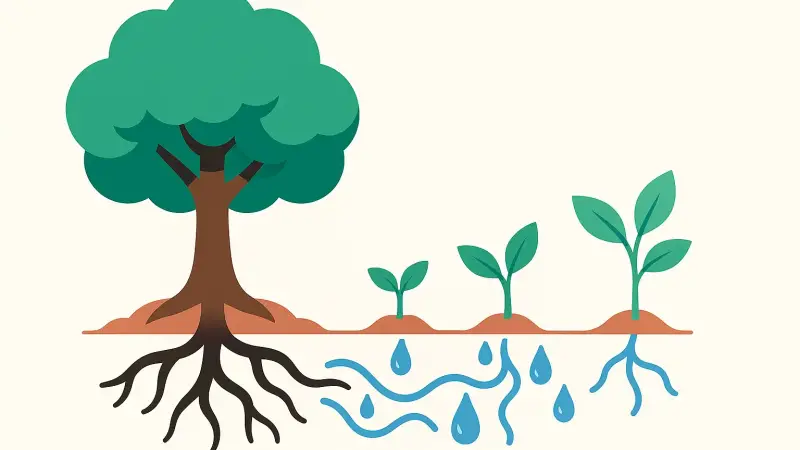
Trees that chemically sculpt the soil for their seedlings
When the ground seems to “prefer” one tree In a forest, you sometimes see a strange pattern: plenty of adult trees, but very few of their own seedlings.
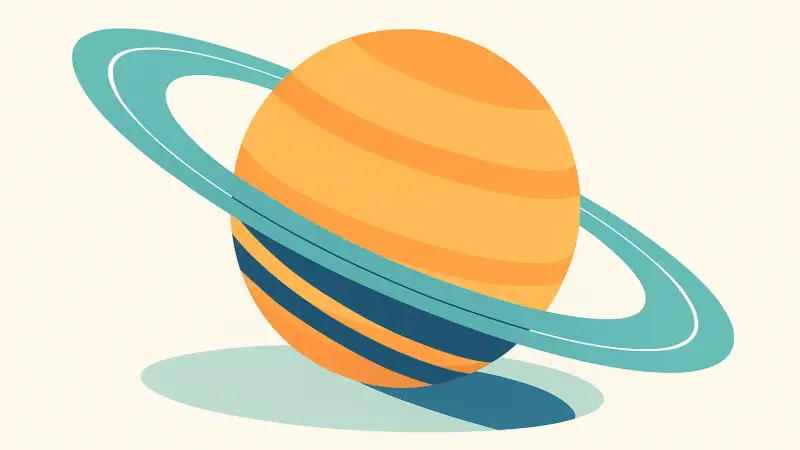
Why planetary rings cast shifting shadows on gas giants
Looking up at a planet and noticing the shadow won’t sit still On some nights, telescope observers have watched Saturn and noticed a thin, dark band on.
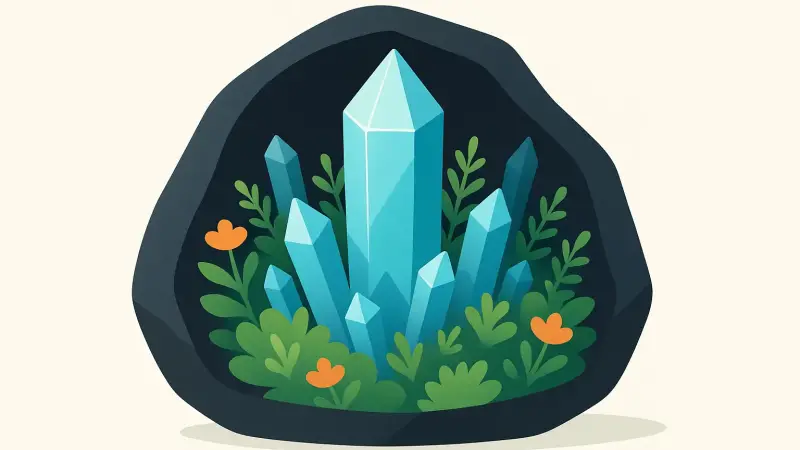
The crystal gardens that grow inside volcanic glass
What people mean by “crystal gardens” in volcanic glass Have you ever picked up a piece of obsidian and noticed tiny pale “snowflakes” or starbursts.
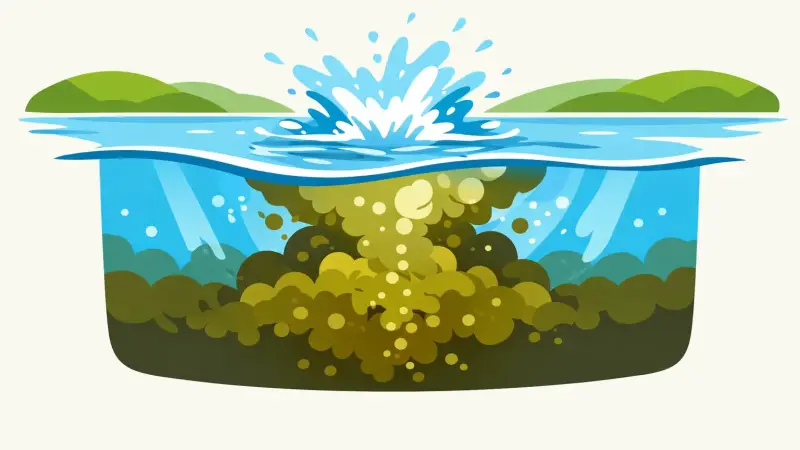
When lakes flip: the sudden formation of toxic bottom layers
How can a lake suddenly turn dangerous? People often think of lakes as “mixed bowls” of water. Wind stirs the surface. Inflows slosh through.
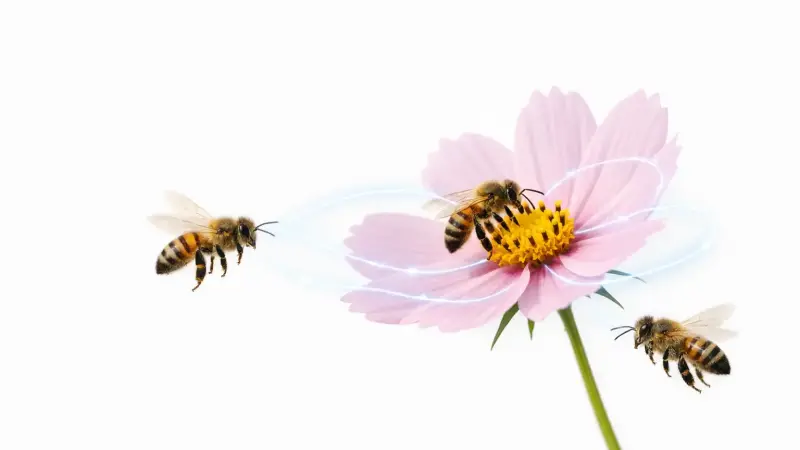
How honeybees feel a flower’s electric whisper
Watch a honeybee hesitate over a blossom and it can look like guesswork. But it isn’t only color and smell.