Nature and Science
•Animals, plants, planet •Small, digestible science explanations

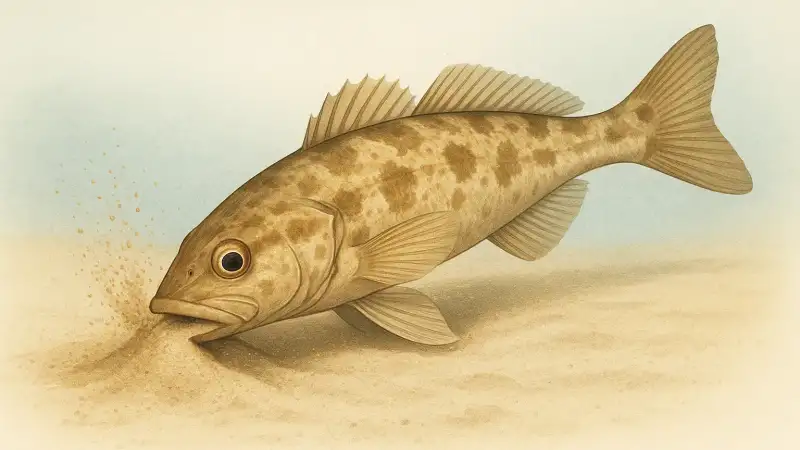
The fish that uses sand like a file to reshape its jaws
Watching a fish “chew” sand There isn’t one single beach where this happens.
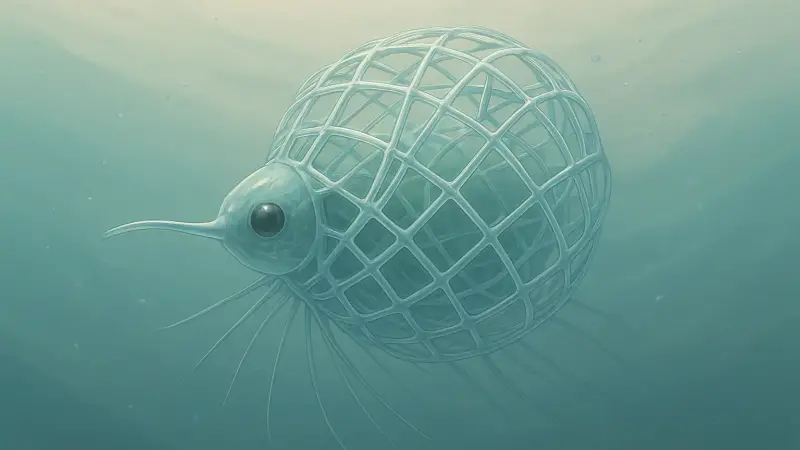
The plankton that weaves glass armor from seawater silica
Seeing “glass” where you don’t expect it If you’ve ever looked at a jar of seawater under a microscope, the surprise isn’t the fish larvae.
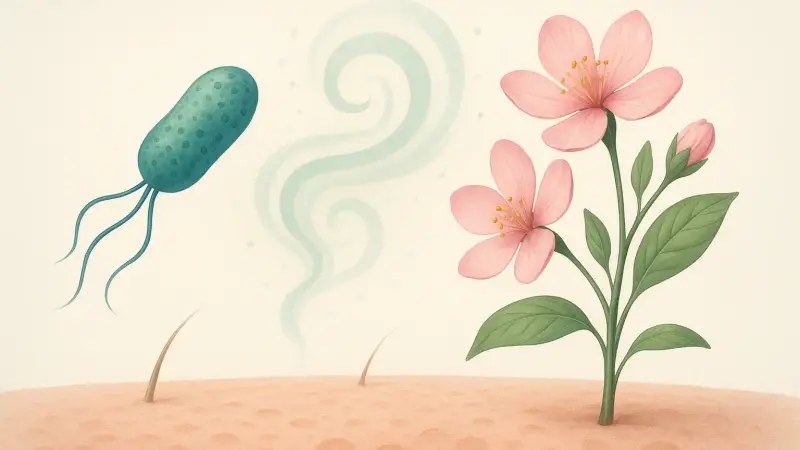
The skin bacterium that converts body odor into floral notes
Why sweat doesn’t always smell like sweat People notice it in different places, so it’s not one single story.
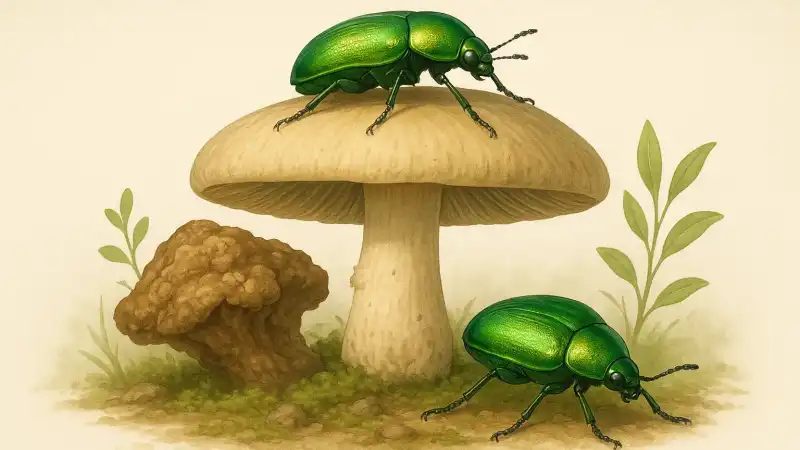
The fungus that turns beetles metallic green with a secret pigment
Why a dead beetle can look like jewelry Pick up a beetle that died in a damp corner of a forest and it might flash an odd, metallic green.
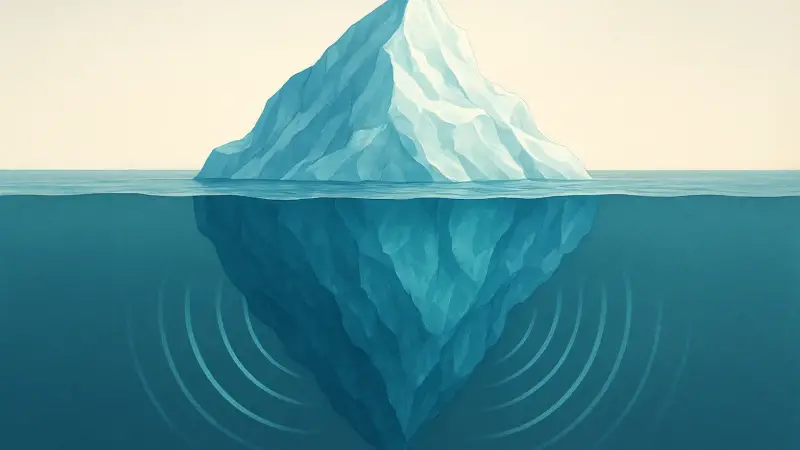
Why icebergs sing: how trapped air shapes underwater sound
Hearing an iceberg when you can’t see it People who work on the water around Antarctica, Greenland, and Alaska sometimes hear it first: a thin whistle, a.
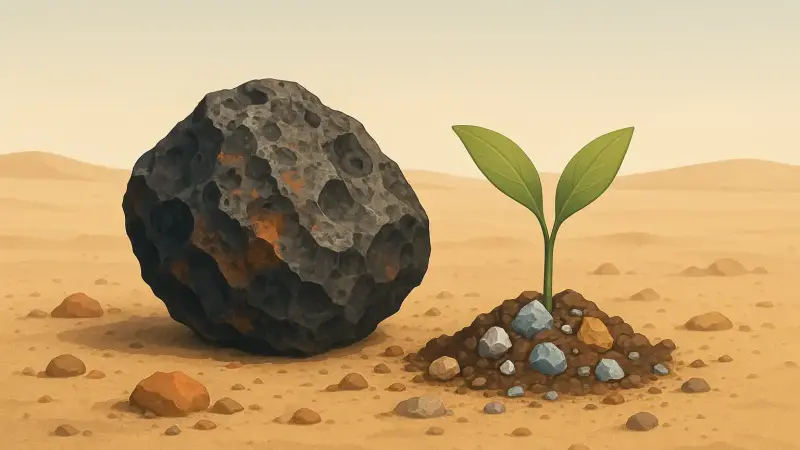
How a meteorite can seed new minerals in desert soils
What people mean by “seeding” minerals How can a single dark rock sitting on pale sand change the ground under it? It isn’t one single place or event.
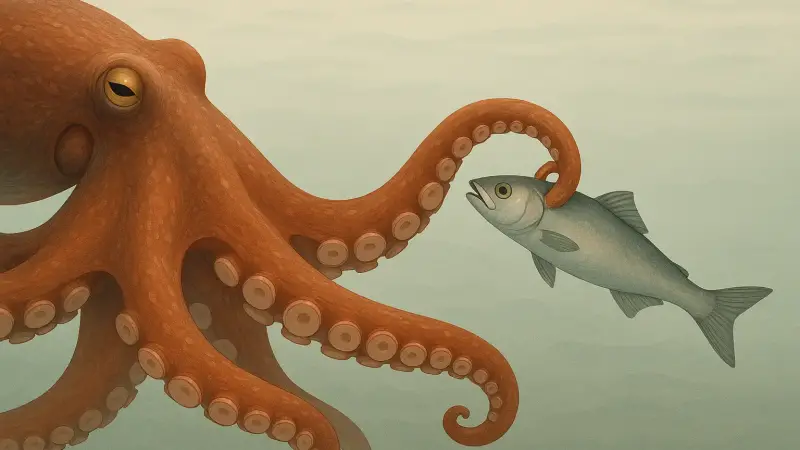
How octopus suckers taste to choose prey
Watching an octopus handle a crab, it can look like the arms are just grabbing and holding on. But the suckers are doing something else at the same time.
Why kitchen lemons grow tiny roots when left in jars
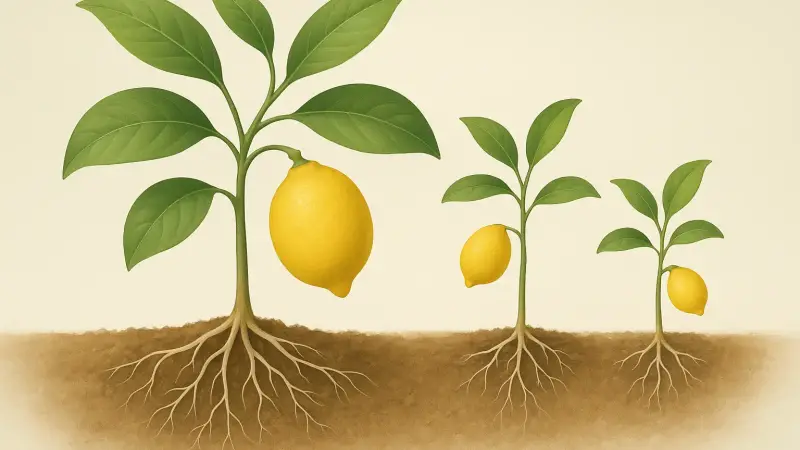
You rinse a lemon, drop it in a glass jar, and forget it on the counter. A week later it looks wrong.
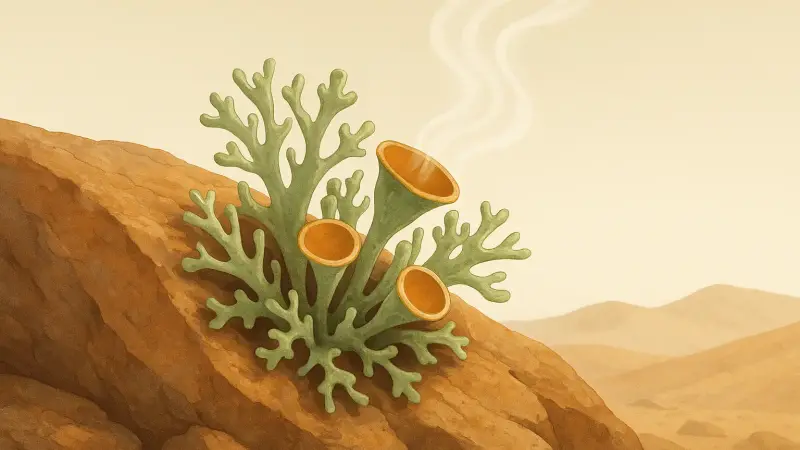
How biological soil crusts glue desert sand into living mats
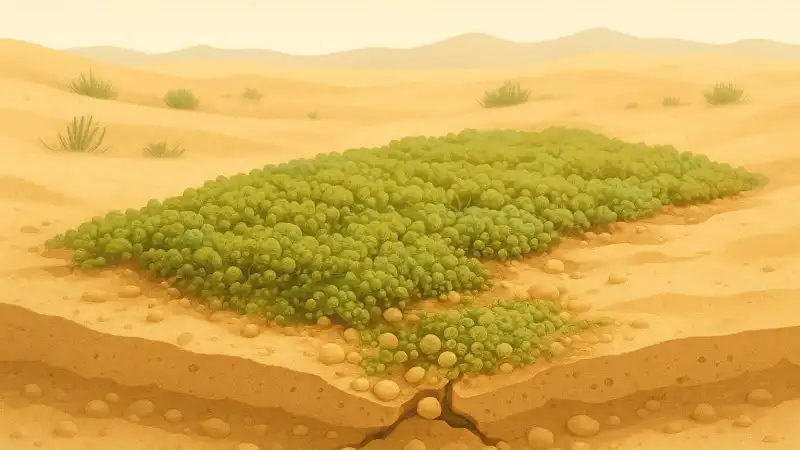
If you walk across a desert wash after a light rain, some patches of “sand” don’t behave like sand. They hold together. They crack in plates.