Nature and Science
•Animals, plants, planet •Small, digestible science explanations

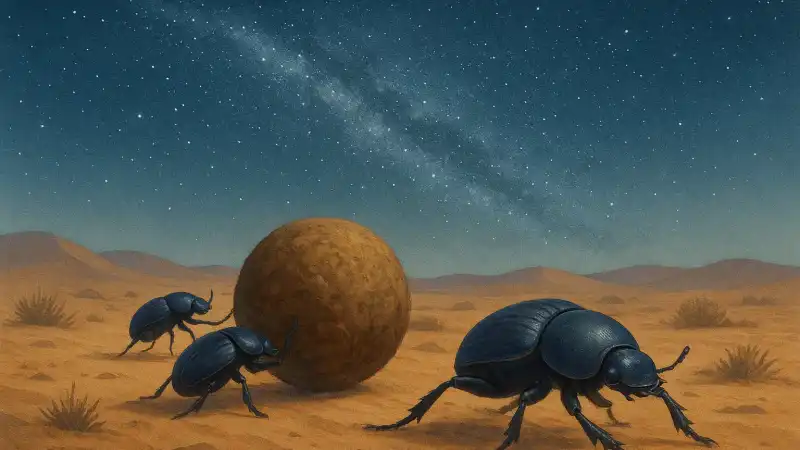
How dung beetles steer by the Milky Way across desert nights
Watching a beetle roll a ball in the dark Out on a clear night, a dung beetle can look oddly purposeful.
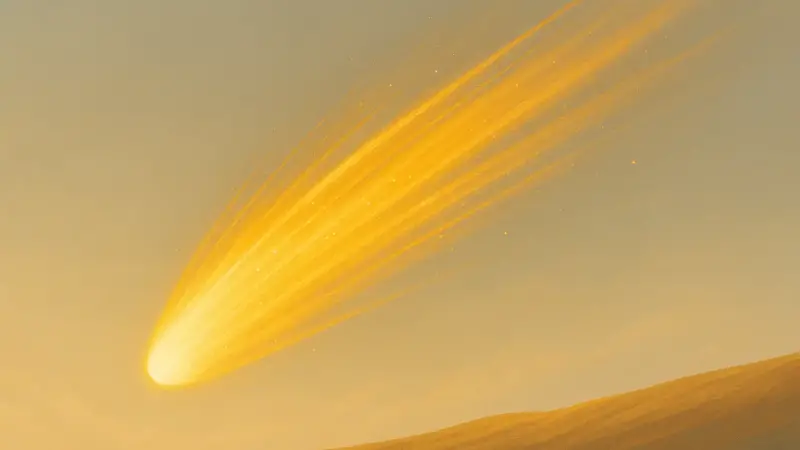
Why comet tails shed sodium and how sunlight sculpts them
Seeing a comet do two different things at once A comet can look like it’s carrying two tails, and they don’t always agree on direction.
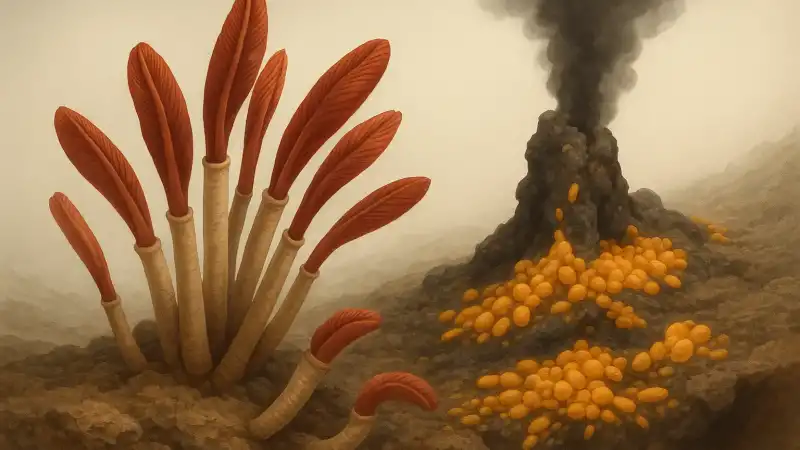
How deep-sea worms cultivate sulfur bacteria on hydrothermal vents
Meeting a worm that farms in the dark People rarely ask how an animal can “eat” a chemical.
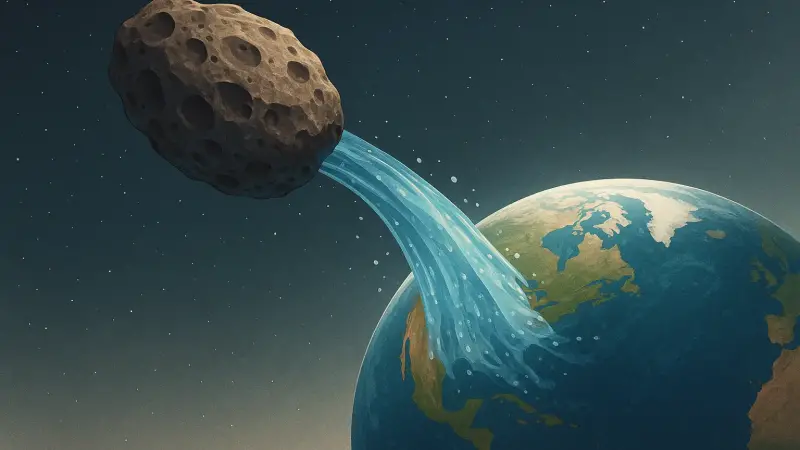
How a space rock’s water may have kickstarted Earth’s oceans
Why there’s water on a rocky planet at all People rarely ask the plain version of the question: if early Earth was hot, battered, and dry-looking, why.
How fungi can feast on nuclear radiation
A simple question: can something eat radiation? People usually picture radiation as the ultimate sterilizer.
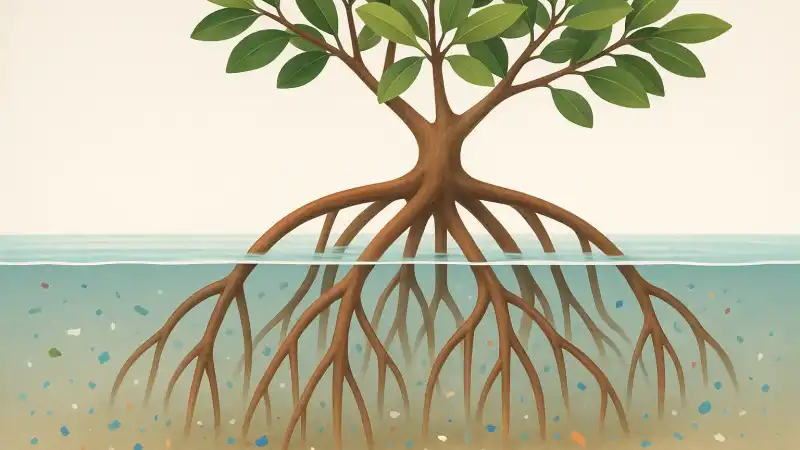
How mangrove roots act like natural filters for microplastics
A question people rarely ask at the shoreline People talk about mangroves as storm buffers and fish nurseries.
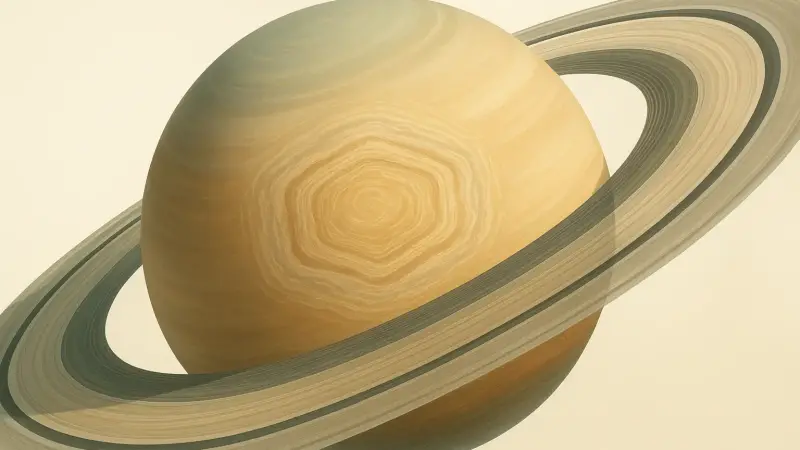
How Saturn’s polar winds carve a hexagon
Why a storm would make a six-sided shape Most storms make circles.
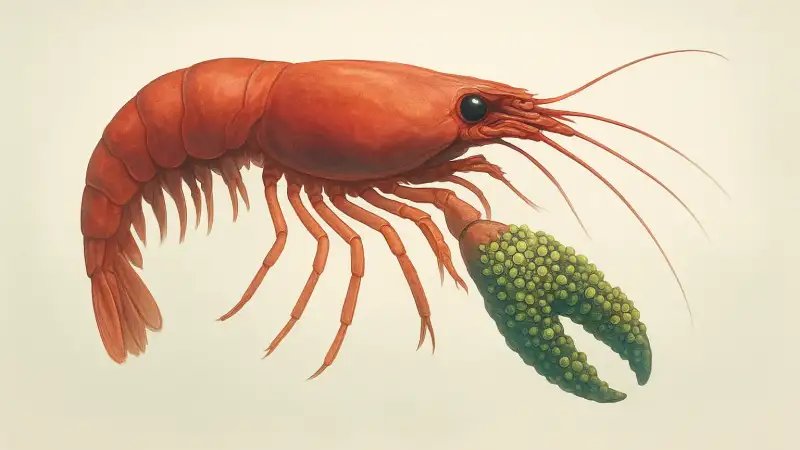
The deep-sea shrimp that carries bacterial gardens on its claws
A shrimp with “hairy” claws It’s easy to assume a crustacean’s claws are just tools for grabbing food.
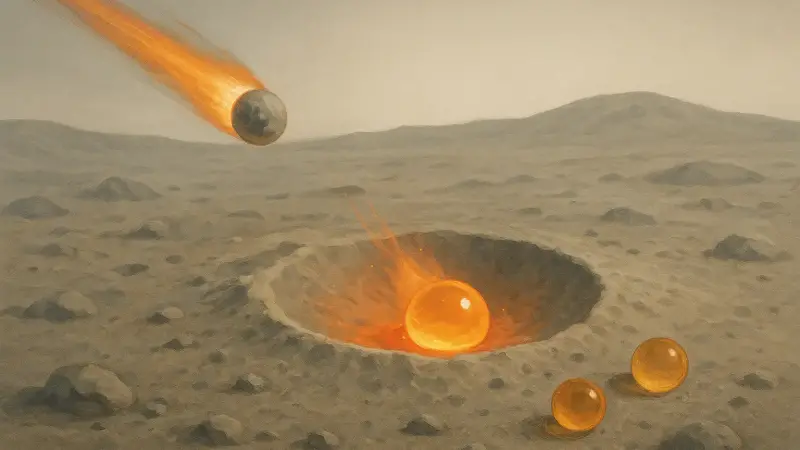
How micrometeorite impacts forge glass beads in lunar soil
If you picture the Moon’s soil as dry dust, it’s easy to miss how much of it is actually tiny glass.
Why glacial flour turns alpine lakes brilliant turquoise
A color that looks too bright to be real Some alpine lakes look like they were dyed on purpose. Lake Louise in Alberta is a classic example.