How sperm whale clicks sketch the seafloor
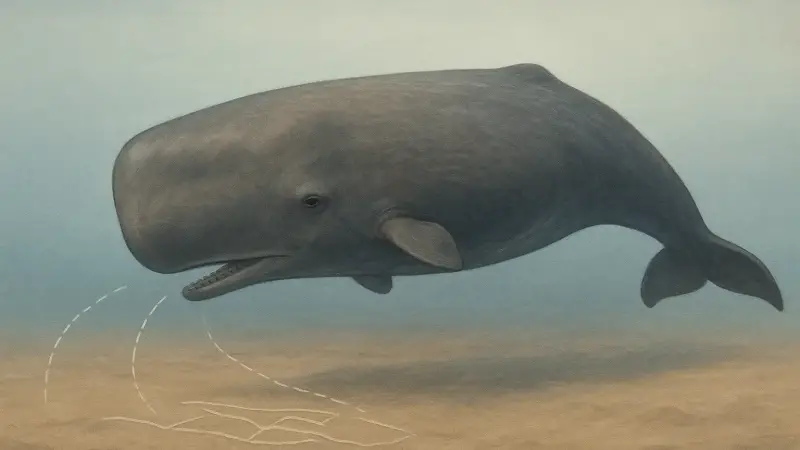
A simple question people rarely ask People know sperm whales make loud clicks to hunt squid in the dark.

A simple question people rarely ask People know sperm whales make loud clicks to hunt squid in the dark.
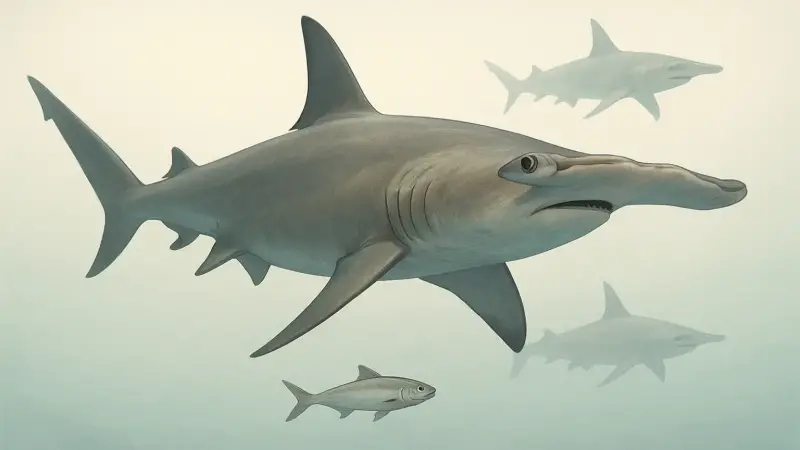
Why that head looks so impractical If you’ve ever seen a hammerhead glide past in a video from the Florida Keys or Hawaii, the first reaction is usually.
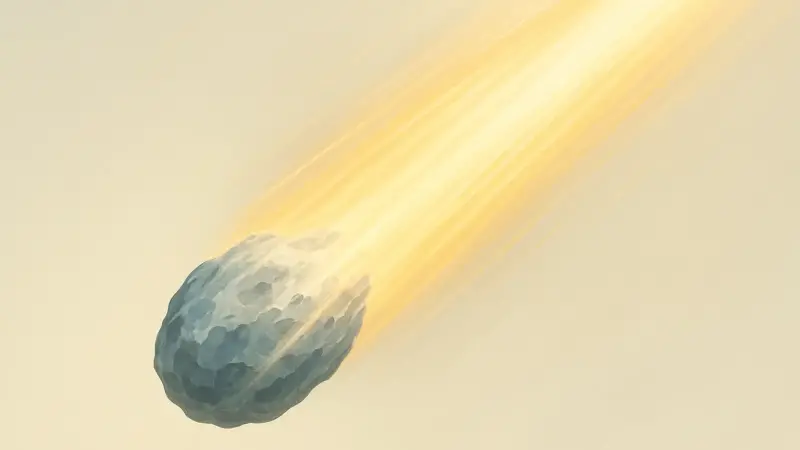
Why ice can act like a tiny engine Sunlight feels gentle on skin, so it’s odd to hear that it can make a comet “spray” material into space.

You can have a strong coffee and still feel like your brain didn’t boot up. This isn’t one single “place” problem.

You notice it in places that are supposed to be “quiet,” but aren’t. A packed elevator. A courtroom gallery.
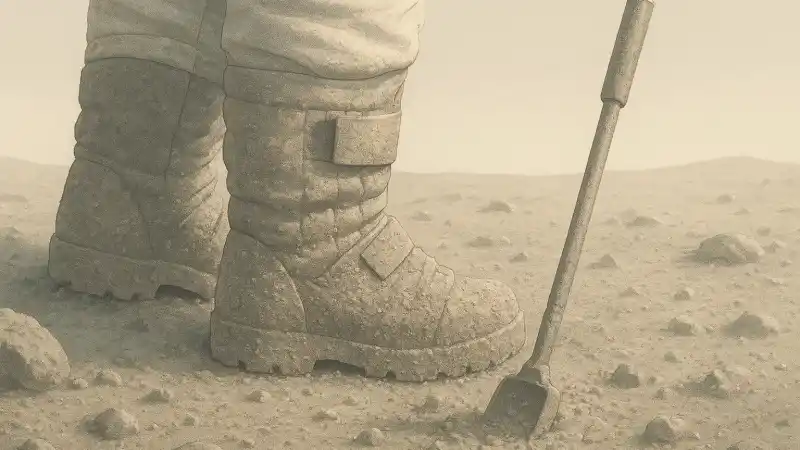
A small problem astronauts couldn’t shake off On Apollo 17 in 1972, Gene Cernan and Harrison Schmitt kept noticing the same annoying detail: gray dust.

You notice it most at the edges. A doorway, a stair, a narrow alley.

After a rain, a backyard puddle looks like nothing. But to a biologist with a hand lens, it can be a tiny lake with its own food web.

If you stand at the mouth of Mammoth Cave in Kentucky, it’s hard to picture the slow work happening under your feet.

You’re reading a text message at a red light or scanning a menu in a noisy café, and you catch it: your lips twitch.