Nature and Science
•Animals, plants, planet •Small, digestible science explanations

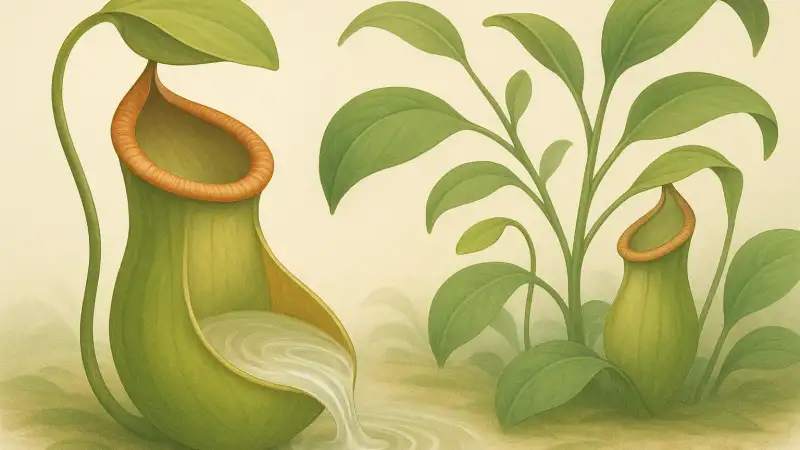
How pitcher plants use slippery surfaces and fluid flow to drown prey
Watching an insect lose its footing A smooth rim looks harmless until it gets wet.
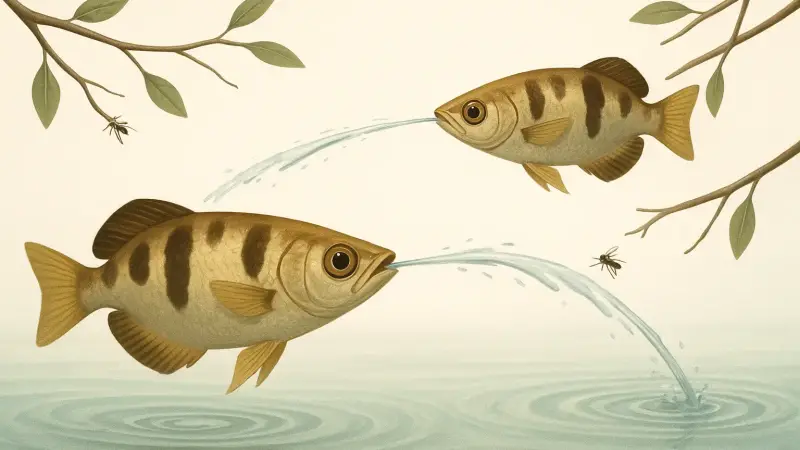
How archerfish aim water jets to dislodge insects from branches
A fish that shoots, and hits, on purpose People talk about animals using tools, but it’s still jarring to watch a fish knock an insect out of a tree with.
Why fog clings to valley floors while nearby ridges stay clear
You’ve probably seen it on a drive where the road snakes uphill.
Why basalt columns form hexagons
Not one place, but a repeating pattern People notice the same strange neatness in very different landscapes.
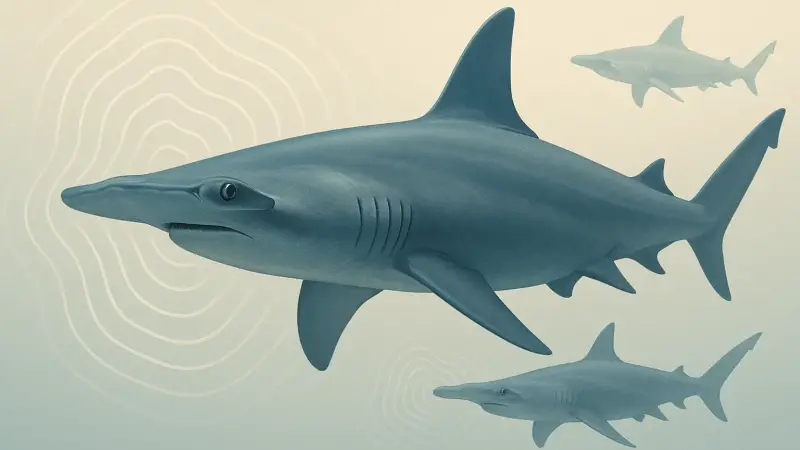
How hammerhead sharks detect electric fields
People usually imagine sharks hunting with smell or sight. But a hammerhead can still “find” a fish that’s buried in sand and not moving much.
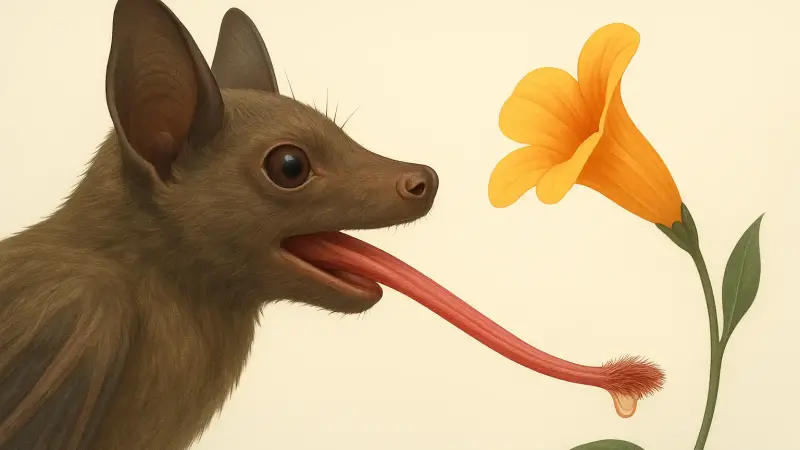
The bat tongue that scoops nectar with brushlike hairs
If you watch a nectar-feeding bat at a flower, it doesn’t sip the way most people imagine. It doesn’t form a neat straw with its tongue.
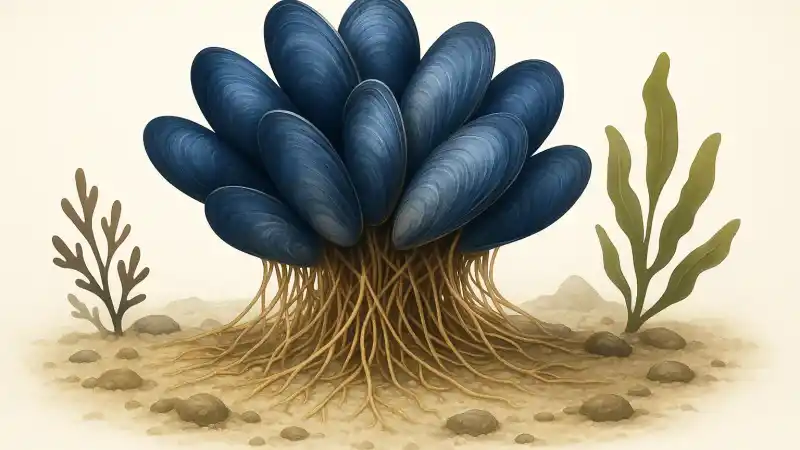
How mussel byssal threads anchor entire intertidal communities
At low tide, a mussel bed can look like a pile of loose shells that should slide off the rock.
How a bark beetle epidemic transformed 20th century North American forests
If you’ve driven through Colorado’s lodgepole pine country, you’ve probably seen it: whole hillsides of reddish-brown trees mixed into what looks like a.
What aurora colors reveal about collisions in Earth’s upper atmosphere
Those colors aren’t just “pretty lights” Auroras don’t belong to one single place or event.
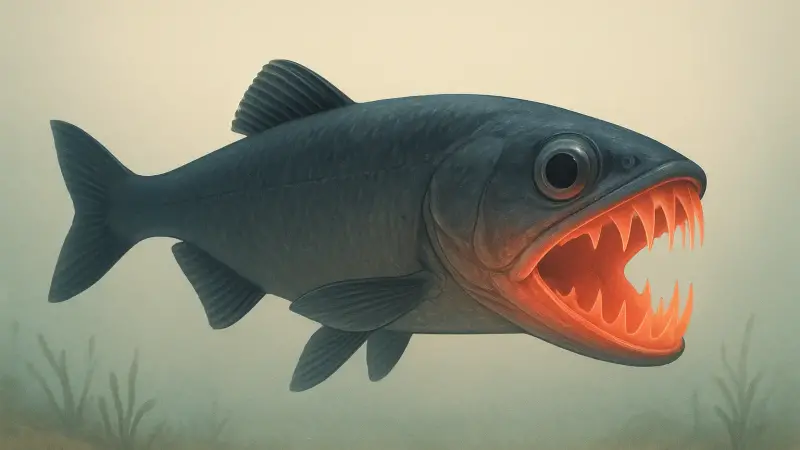
The fish with transparent teeth that glow under red light
Seeing it happen up close At a public aquarium, it’s normal to see a fish flare its jaws and catch a flash of light off a tooth.