Nature and Science
•Animals, plants, planet •Small, digestible science explanations

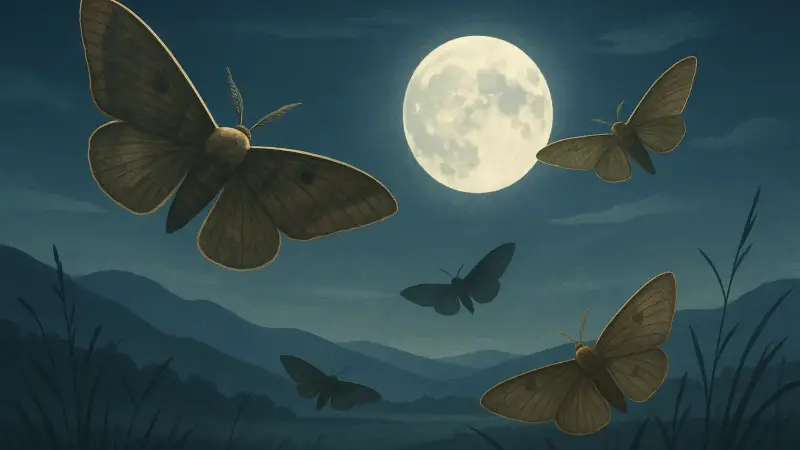
How nocturnal moths navigate moonlit landscapes
Walk past a porch light on a clear night and you might see it: a moth that seems to “orbit” the bulb in tight loops.
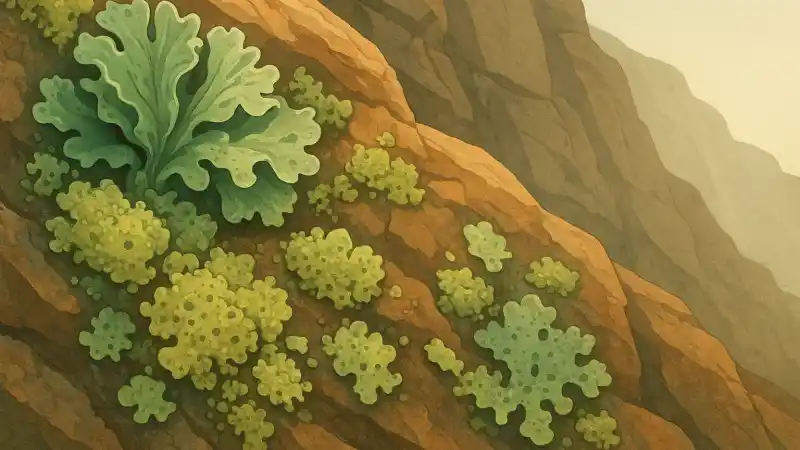
How lichens mine rock faces with living acids
A quiet chemistry on bare stone People walk past a rock face and read it as solid and finished.
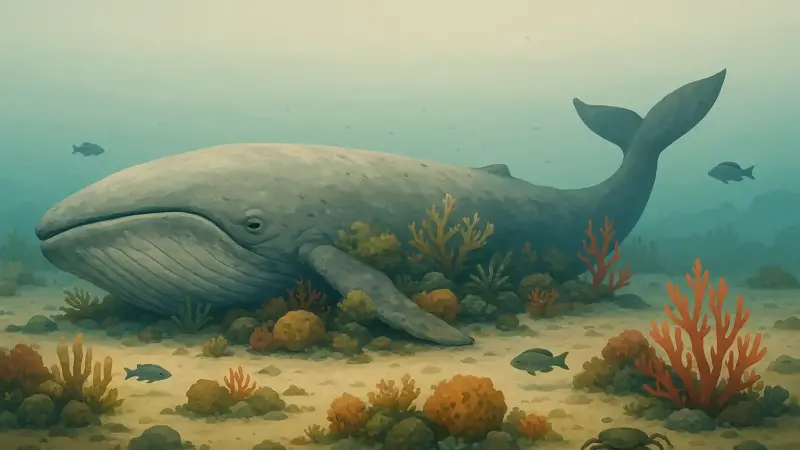
How whale carcasses create island ecosystems on the seafloor
Finding an “island” where there is no land It’s a quiet contradiction: in the deep ocean, where food is scarce and the seafloor can look empty for long.
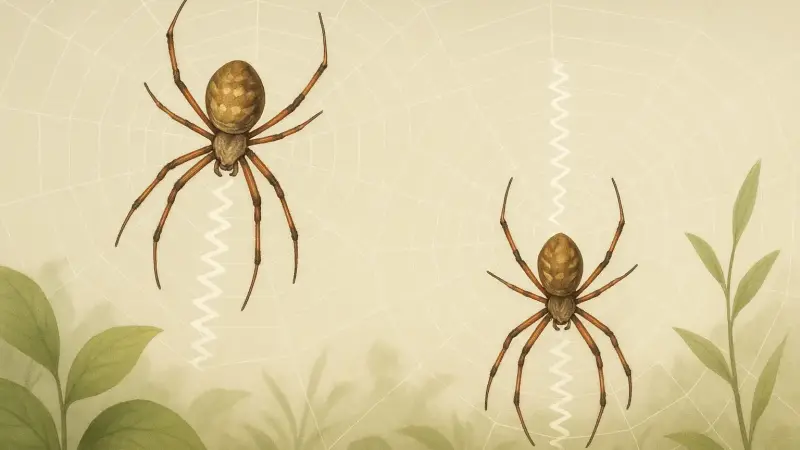
How spiders use zigzag silk bands in their webs
People notice it when they walk past a garden in late summer: a neat orb web with a bright zigzag stitched right through the middle.
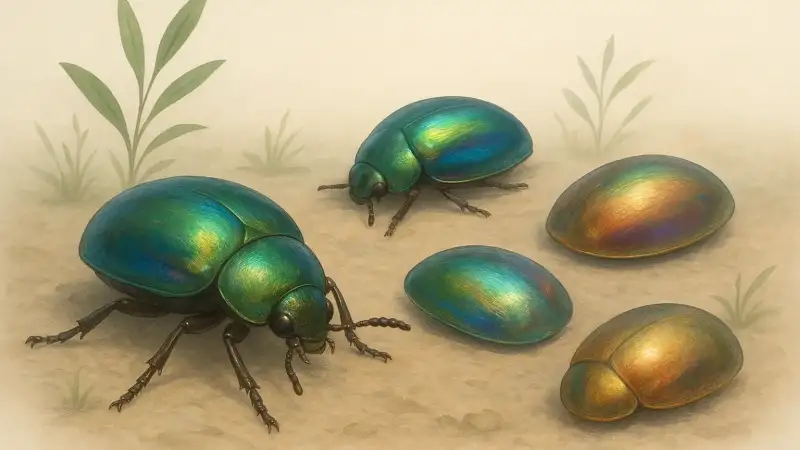
Why some beetle shells shimmer without pigment
That metallic beetle look isn’t always “color” Pick up a jewel beetle (family Buprestidae) in the right light and it can flash green, blue, even copper.
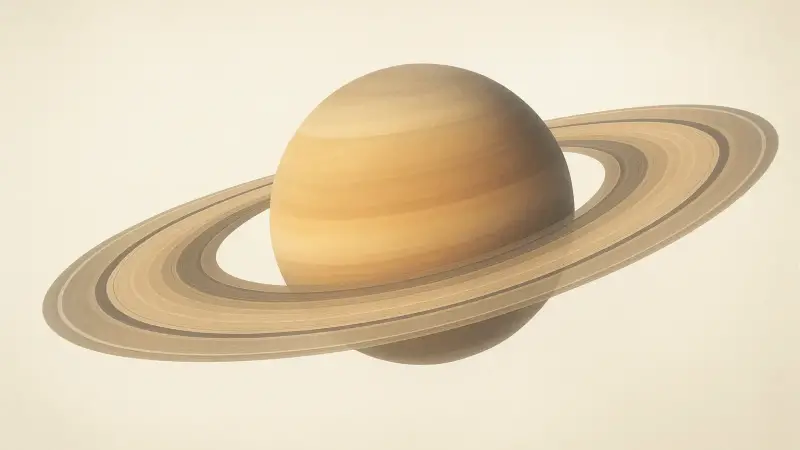
Why Saturn’s rings vanish and reappear depending on our viewpoint
Every so often, Saturn does something that feels like a trick. The planet looks normal, but the famous rings seem to fade until they’re almost gone.
When an entire harbor froze solid and the climate mechanics that caused it
A harbor isn’t supposed to become a parking lot Most people picture harbors as restless water, even in winter.
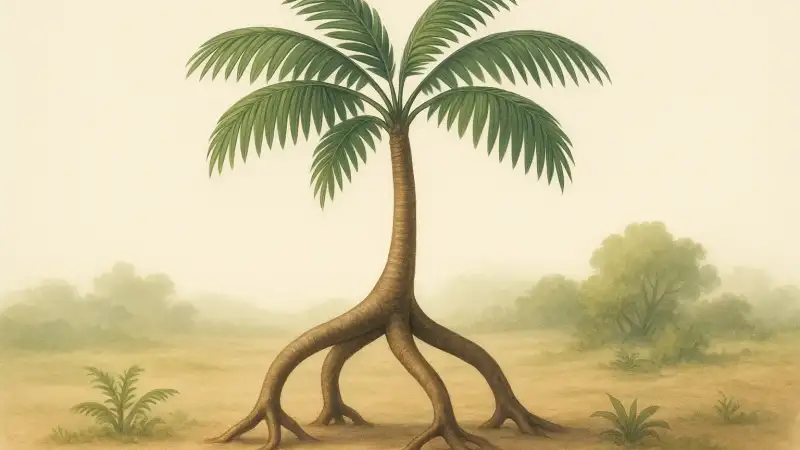
Why the walking palm appears to relocate and the root mechanics behind it
People hear about a “walking” palm and picture a tree stepping across the forest floor.
How backyard bird feeders reshape which songbirds visit your neighborhood
If you put out a feeder, the cast of birds around your street can change fast. It isn’t one single “neighborhood story,” either.
How bioluminescent plankton make whole waves glow at night
Why the water can flash blue at all If you’ve ever seen video of a beach where every step lights up, it can look staged.