Nature and Science
•Animals, plants, planet •Small, digestible science explanations

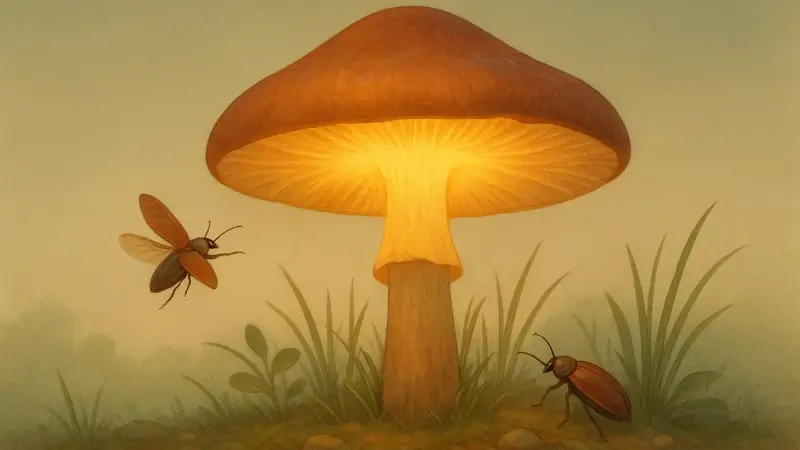
The mushroom that glows to attract spring beetles
A light you can’t mistake for moonlight In a damp forest at night, some mushrooms give off a steady greenish glow that doesn’t flicker like a firefly.
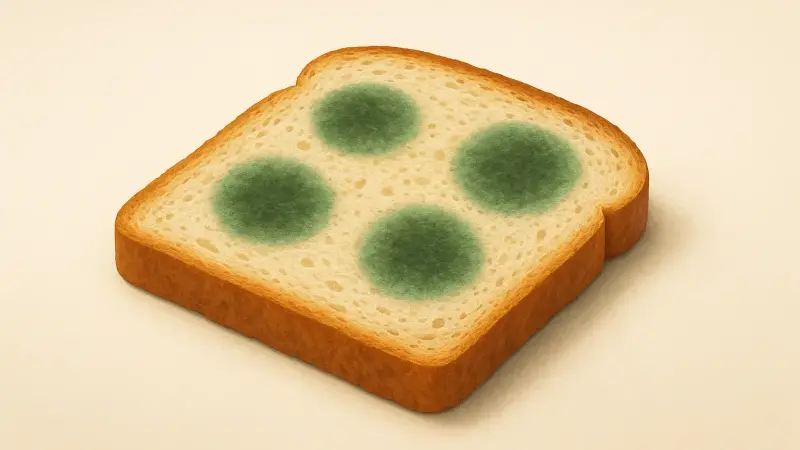
Why bread sometimes grows mold in perfect circular patches
Not one place, but it’s a common kitchen pattern You cut into a loaf and notice something oddly neat: a round, greenish spot that looks like it was.
How volcanic ash shapes global weather patterns
It doesn’t take much ash to reach the weather A weird detail about volcanoes is that the ash people sweep off cars is not the part that matters most for.
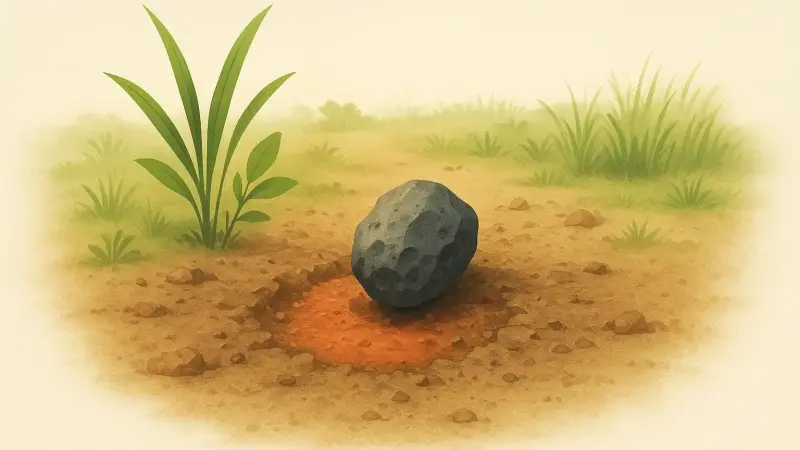
How a tiny meteorite impact changes local soil chemistry
What would change if a pebble from space hit the ground and vanished from sight?
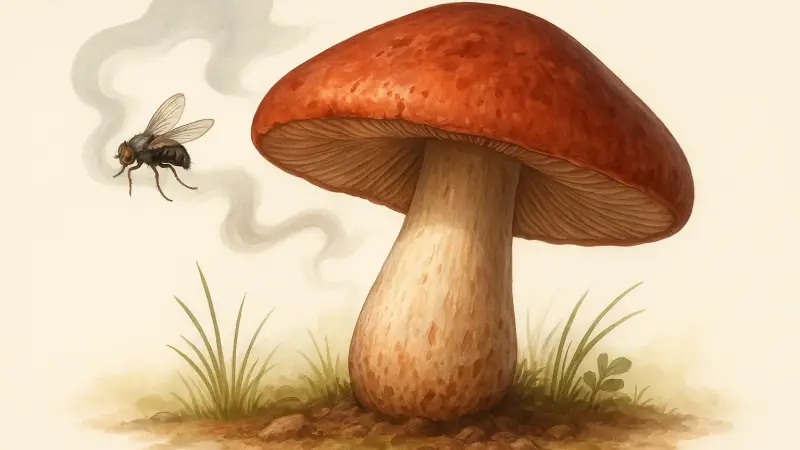
The mushroom that smells like rotting meat to lure flies
A smell you don’t expect from a “flower” Most of the time, when something wants insects to visit, it smells sweet.
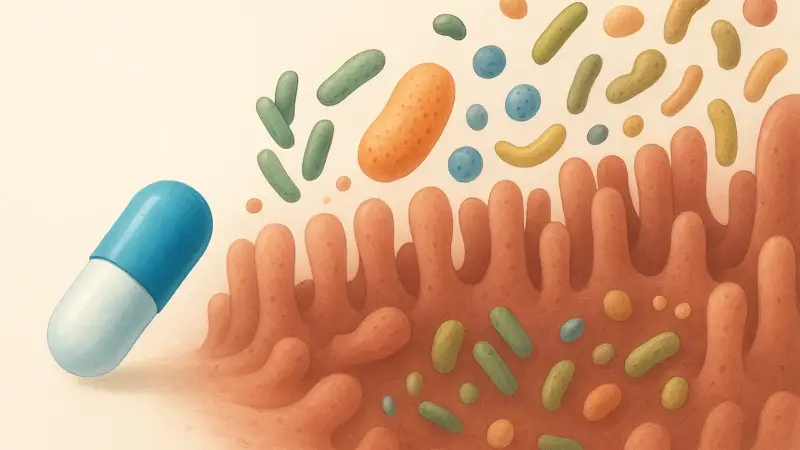
How a single antibiotic reshapes your gut microbiome
You take amoxicillin for strep throat, or ciprofloxacin for a stubborn UTI, and the sore throat fades before you’ve even finished the bottle.
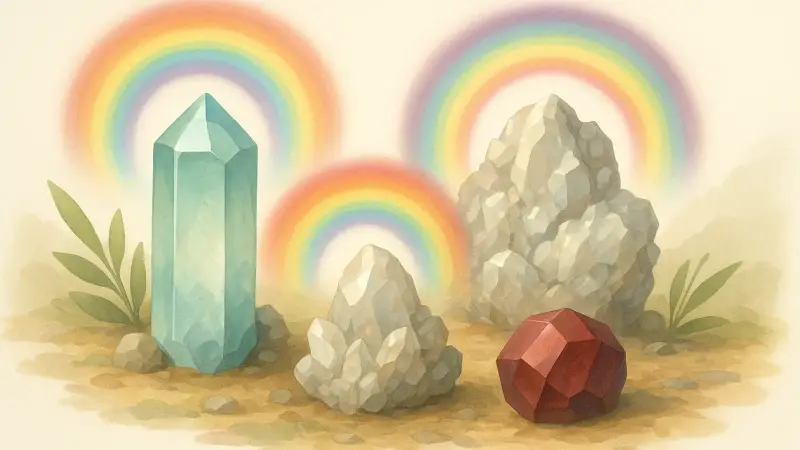
Why certain minerals split light into rainbow halos
Seeing the halo in the first place If you’ve ever turned a clear piece of Iceland spar (a transparent calcite) in your hand, you may have noticed.
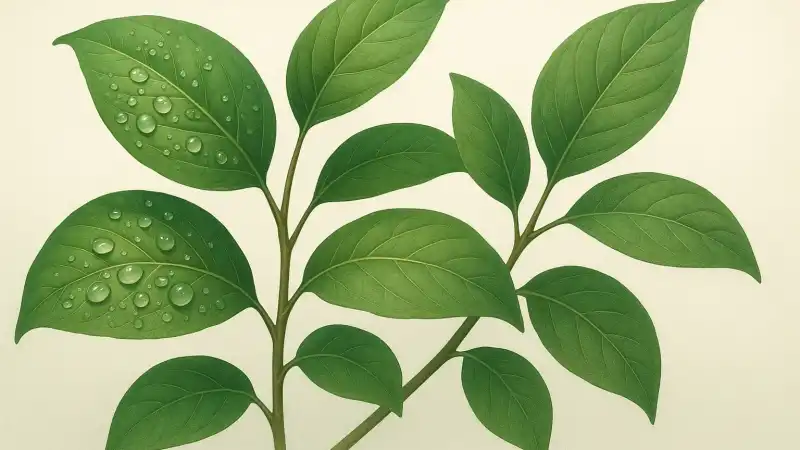
Why some leaves hold beads of dew while others stay dry
On some mornings, a leaf can look like it’s been sprinkled with tiny glass beads, while the leaf right next to it looks almost untouched.
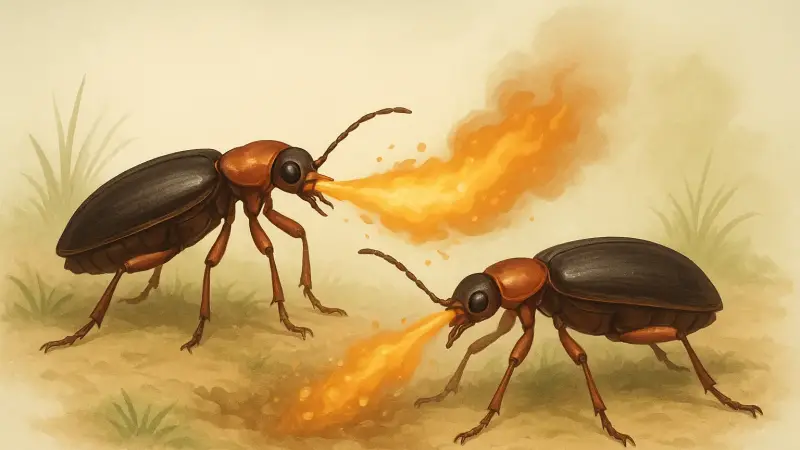
How bombardier beetles fire boiling chemicals as defense
People hear “boiling chemical spray” and imagine a tiny flamethrower. It’s not one dramatic event in one place.
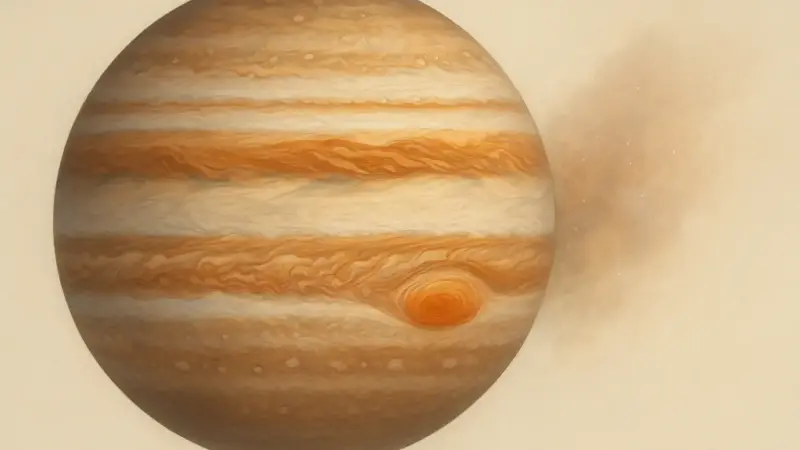
How Jupiter keeps its Great Red Spot from fading
A storm that should have disappeared by now It’s a simple question people rarely ask: why hasn’t Jupiter’s Great Red Spot faded away like most storms do?