
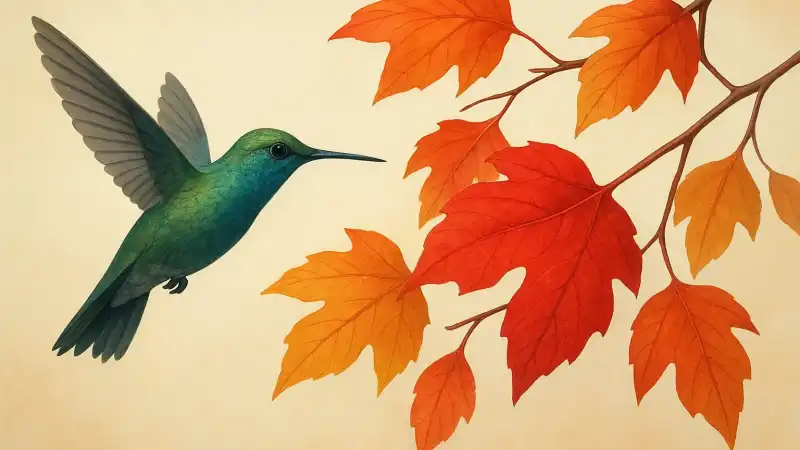
On a walk in New England, in Ontario, or in northern Japan, the shift can feel sudden. One week the canopy is mostly green. Then a few cold nights later, sugar maples look lit from inside, while nearby oaks go rust-red and some trees barely change at all. There isn’t one single “autumn color” event. It’s a repeating chemical reset that plays out differently by species and by weather. As days shorten, trees start shutting down chlorophyll production. Green fades. Other pigments that were already there become visible, and some pigments are made fresh in the leaf. The quiet part is that it’s not “paint” arriving. It’s the leaf’s internal chemistry changing what light it absorbs and reflects.
Day length flips the seasonal switch
Temperature matters, but the most reliable signal is photoperiod: how long the days are. Plants measure night length using light-sensitive molecules (phytochromes) and internal clocks. When nights get long enough, trees begin preparing to stop trading sugars and water with each leaf. That preparation happens even if the weather is still warm.
At the base of each leaf stalk, cells form an abscission layer. It slowly becomes a controlled “disconnect.” Water delivery weakens. Sugar export changes. The overlooked detail is that color and leaf drop are linked through this same bottleneck. As the plumbing closes, the leaf becomes a more isolated chemical world, and pigments and byproducts accumulate differently than they did in summer.
Chlorophyll stops being replaced
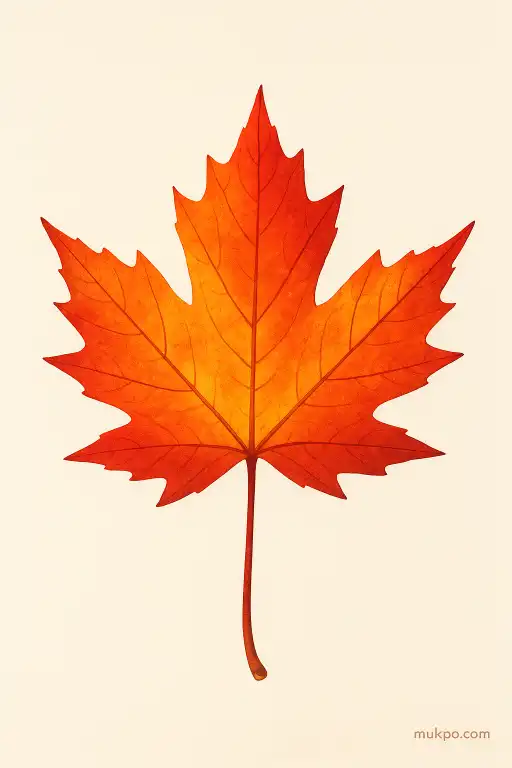
Chlorophyll is constantly being made and broken down during the growing season. It’s a high-maintenance molecule. Once a tree starts downshifting for winter, it stops paying the cost of replacing it. Existing chlorophyll breaks apart and the green mask lifts.
The leaf doesn’t simply “lose color.” It changes its whole maintenance plan. Nitrogen and other valuable nutrients are pulled out of the leaf and stored in stems and roots. Chlorophyll contains nitrogen, so it’s a prime target for recycling. That nutrient withdrawal is one reason leaves can look dull or patchy before the brighter pigments show clearly, and why the timing can vary from year to year.
Yellow and orange were there all along
Carotenoids are the yellows and oranges. They sit in the same photosynthetic machinery as chlorophyll, helping handle light energy and protecting the leaf from damage. Because they’re more stable than chlorophyll, they persist as green fades. That’s why birches, aspens, and many hickories often turn a clean yellow without needing anything dramatic to “happen.”
These pigments don’t just color the leaf. They also act like safety gear when the leaf’s ability to use light is declining. As the leaf’s internal logistics slow, sunlight can become more dangerous than helpful. Carotenoids can help dissipate excess energy and reduce oxidative stress, which influences how long a leaf can keep functioning while the tree salvages nutrients.
Reds and purples are often made in autumn
Many reds and purples come from anthocyanins. Unlike carotenoids, anthocyanins are often produced in the leaf during autumn rather than simply revealed. They’re made from sugars, and their production tends to rise when sugars become trapped in the leaf as the abscission layer develops. Bright reds are common in species like sugar maple, but not guaranteed, because the chemistry depends on conditions.
Cool nights and sunny days can favor anthocyanin buildup. Cool temperatures slow the export and use of sugars, while sunlight keeps sugar production going for a while. Leaf pH and metal ions can also shift the exact hue, nudging pigments toward redder or purpler tones. A small overlooked factor is that the same tree can show different colors on different sides of its crown. Sun-exposed leaves often have different sugar levels and light stress than shaded leaves, so they can redden more strongly even on the same branch system.
Weather decides how long the color window stays open
The timing of the switch is keyed to day length, but the show depends on how quickly leaves are damaged or dropped. A hard freeze can break cells and brown a canopy fast. Prolonged warm spells can delay the visible shift, even if internal shutdown has started. Drought can shorten the season too, because stomata close and photosynthesis falters, leaving less sugar and less energy to manage pigment changes.
Wind and rain matter in a blunt way: they remove the evidence. A tree can be chemically “ready” for color, but a storm can strip leaves before pigments peak. That’s why two nearby regions can look out of sync in the same year, and why a route that was vivid one weekend can look oddly muted the next, without any single cause you can point to on the ground.
Related reads
- What makes lightning behave differently over oceans and mountains
- The desert dunes that sing when you walk on them
- Why songs get stuck in your head
- How termite mounds regulate temperature with clever architecture
- The road that drowns twice a day and returns with the tide
- The lake that turns birds into stone