Nature and Science
•Animals, plants, planet •Small, digestible science explanations

The squid that flashes in Morse code
People tend to think of squid “flashing” as a vague shimmer, like a quick mood ring.
How glowing algae pulse in sheltered bays
If you’ve ever seen a kayak paddle flash electric blue in the dark, it can feel like the water is “turning on.” This isn’t tied to one single bay.
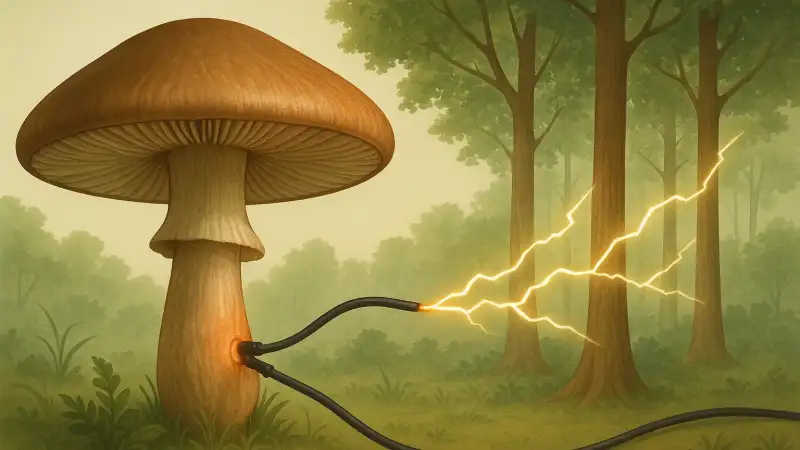
The mushroom that wires forests with electricity
If you’ve ever walked through a damp forest and seen mushrooms pushing up after rain, it’s easy to forget they’re only the visible tip of something much.
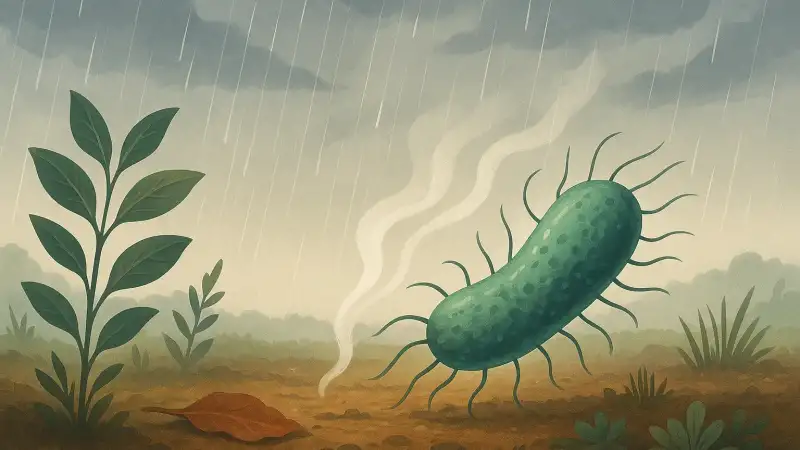
Why rain smells earthy: the bacteria behind petrichor
A smell that shows up before the rain is even over After a dry spell, the first minutes of rain can smell like damp soil and old stone.
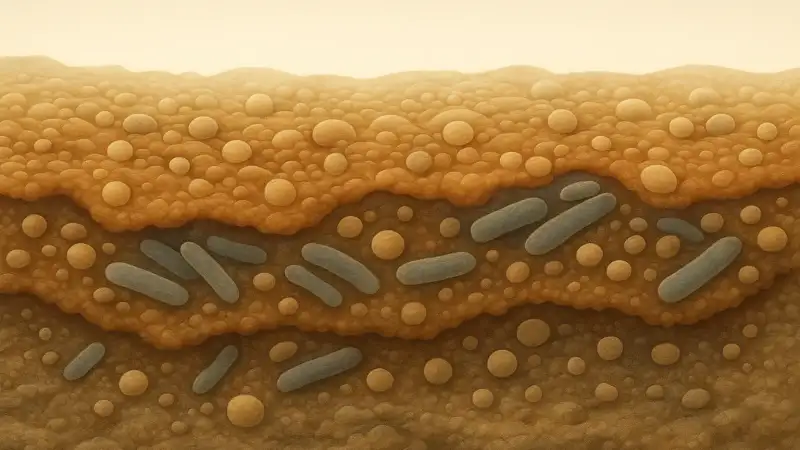
Methane-eating microbes that slow greenhouse emissions in thawing Arctic ponds
A pond can look like a pond, even when it’s quietly making greenhouse gas. That’s the odd part about thawing ground in the Arctic.
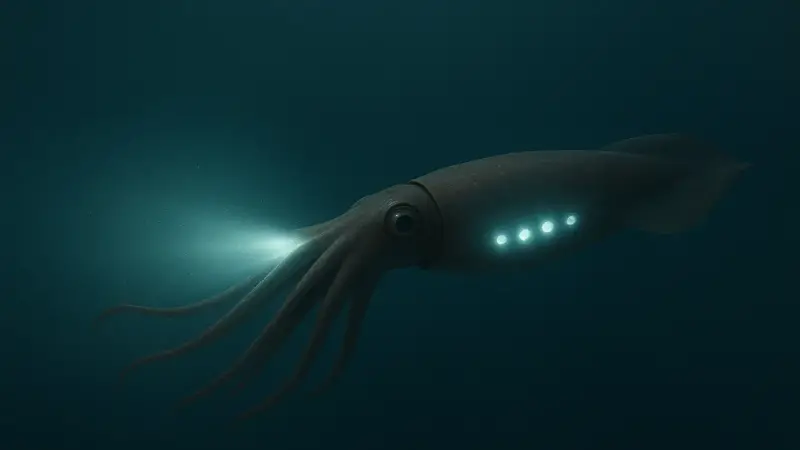
Why deep-sea squid flash lopsided bioluminescence to disappear from predators
Why would a squid glow unevenly?
How bristlecone pines archive millennia of drought in rings and resin
What a tree ring is actually recording People tend to think of tree rings as a simple birthday count.
Salt chemistry in Enceladus plumes and what it reveals about hidden oceans
If you shake a bottle of fizzy mineral water and crack the cap, you don’t just get water. You get clues about what was dissolved inside it.
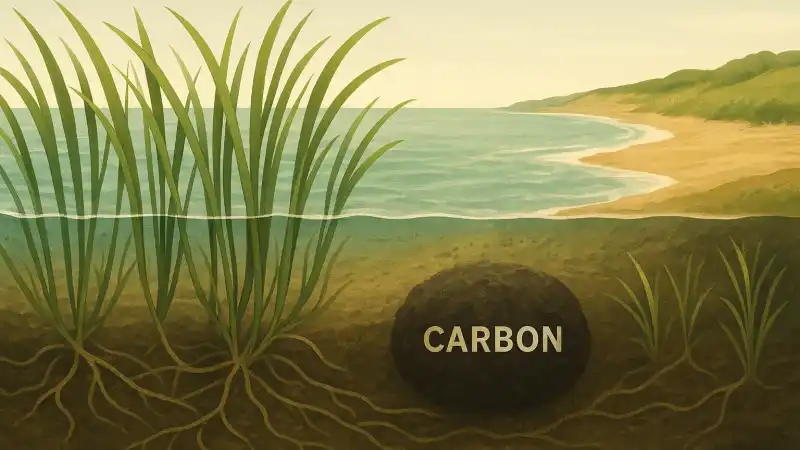
How seagrass meadows bury carbon and reshape coastlines
People often notice seagrass when it tangles a propeller or brushes their ankles in shallow water.
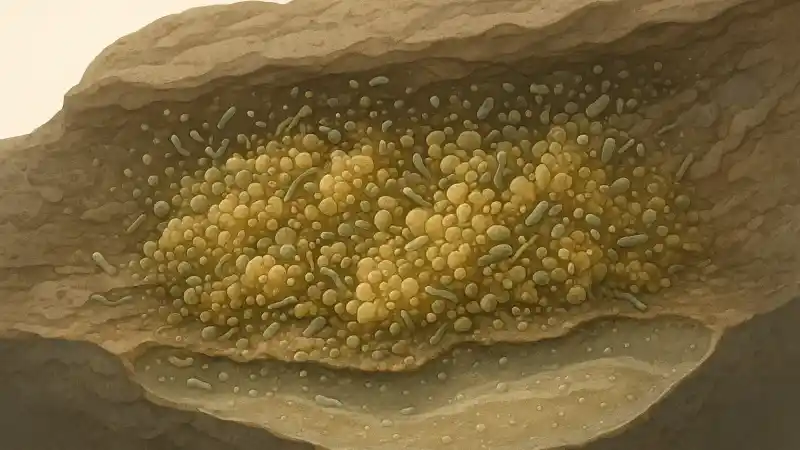
The Antarctic brine pocket where microbes breathe metal instead of oxygen
It feels obvious that life needs oxygen, because that’s what we breathe.