
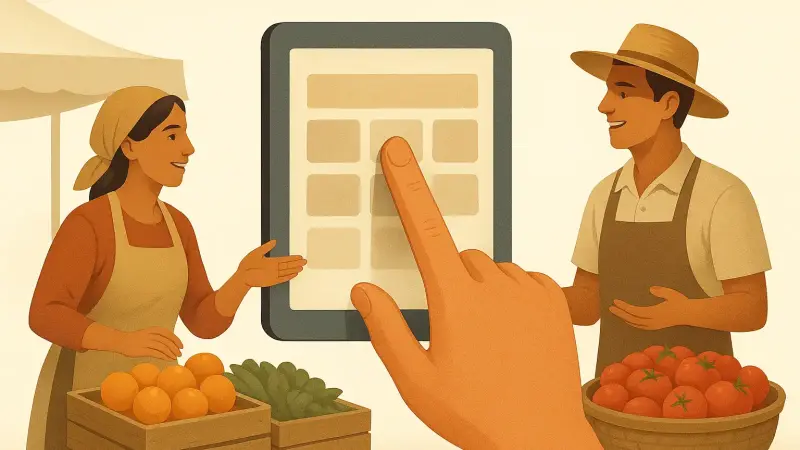
What people mean by “click-language haggling”
It sounds like one specific market with one set of rules, but it isn’t. The idea usually points to places in southern Africa where click languages are spoken in everyday life, including parts of Namibia and Botswana (where Juǀʼhoansi and other San languages are present) and South Africa (where isiXhosa and isiZulu are common). In those settings, bargaining can happen in the same click-rich speech people use at home, at work, and with strangers. The “mechanism” isn’t secret hand signals. It’s normal negotiation, carried by sounds many outsiders don’t expect to hear in commerce.
That mismatch is the hook. A visitor hears sharp clicks and fast, low-voiced back-and-forth, then assumes it must be coded. Most of the time it’s simply a language doing its job: marking questions, emphasis, and tiny shifts in meaning while two people test each other’s price.
How clicks function in a real conversation
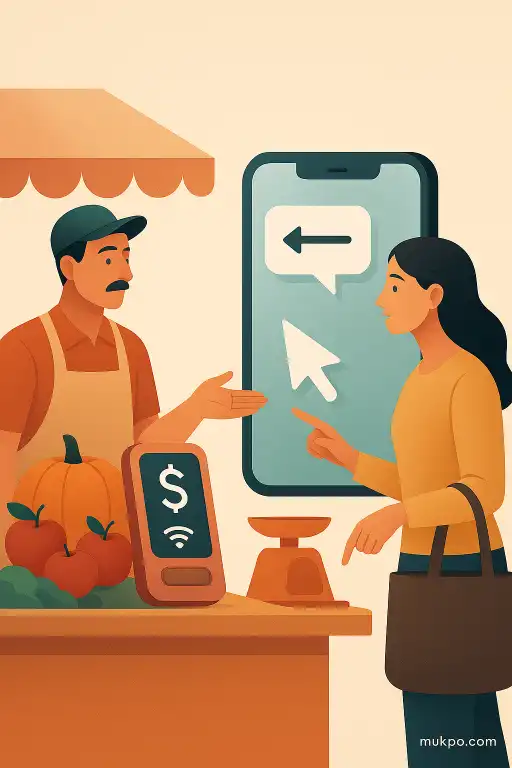
Clicks aren’t one sound. They can be dental, lateral, or alveolar, and they can be produced with different accompaniments (like aspiration or voicing) depending on the language. To someone who doesn’t speak the language, the clicks can stand out more than everything around them. But for fluent speakers, they’re just consonants. They sit inside ordinary sentences about weight, quality, and payment, the same way “t” or “k” does in English.
One thing people often overlook is that a lot of the haggling work is done by prosody, not vocabulary. The pace speeds up when both sides sense agreement. The voice drops when an offer is being tested. A seller might repeat a key word with a different stress pattern, not to be dramatic, but to signal “this is the final number” without saying it outright.
What bargaining tends to look like on the ground
Picture a busy open-air stall where the goods are tangible and comparable: a bag of produce, a carved item, a bundle of herbs. The buyer points, asks a short question, and the vendor answers quickly. If the buyer counters, the vendor often doesn’t jump straight to a new number. There’s usually a pause, then an explanation: where it came from, how long it took, what the day’s demand looks like. Click-heavy languages can make those explanations sound clipped or percussive to outsiders, even when the speaker is being patient.
It also isn’t only about price. Small additions matter. A seller might agree to throw in an extra piece rather than reduce the number, because it protects their public sense of value. That’s easy to miss if you’re focused on the clicks and not watching the hands: the little re-counting motions, the way an item is placed closer to the buyer when the deal is nearly done.
Why outsiders misread it as a “special market language”
Click languages are rare globally, so many visitors have never heard them used for something as ordinary as buying food. That novelty makes people look for a gimmick. Another reason is that bargaining often involves rapid turn-taking and overlapping speech, which can sound like a performance even in languages you understand. Add unfamiliar consonants, and it’s easy to mistake normal negotiation for a stylized ritual.
There’s also the simple fact that market talk is full of shortcuts. People drop subjects, leave numbers implied, and rely on shared context. If you don’t share the context, the conversation feels more cryptic than it is. A click here can be part of a word you’d recognize if you knew the language, but it lands on your ear like a stand-alone signal.
The detail that matters more than the clicks
The most important thing happening in these exchanges is social calibration. Vendors and buyers are constantly deciding whether the other person is local, whether they’ve bought here before, whether they’re likely to return, and how public the negotiation is. The “public” part is a specific, overlooked detail: in a crowded market, the price you accept becomes information for the next person standing within earshot. That pressure shapes how firmly a seller holds a number, and how a buyer phrases a counteroffer.
So when you hear haggling carried by clicks, what you’re really hearing is everyday commerce happening in a language with a different sound inventory. The rest of it looks familiar: the pauses, the glances at nearby shoppers, the small laugh that softens a refusal, and the quick final exchange when both sides decide the number is close enough.
Related reads
- The road that sings only when you drive at the speed limit
- The village where people speak in whistles across the gorge
- Why some beetle shells shimmer without pigment
- The café chair that always ends up in the sunny window
- How having too many options makes decisions feel impossible
- Why strangers’ glances sometimes feel like being watched