
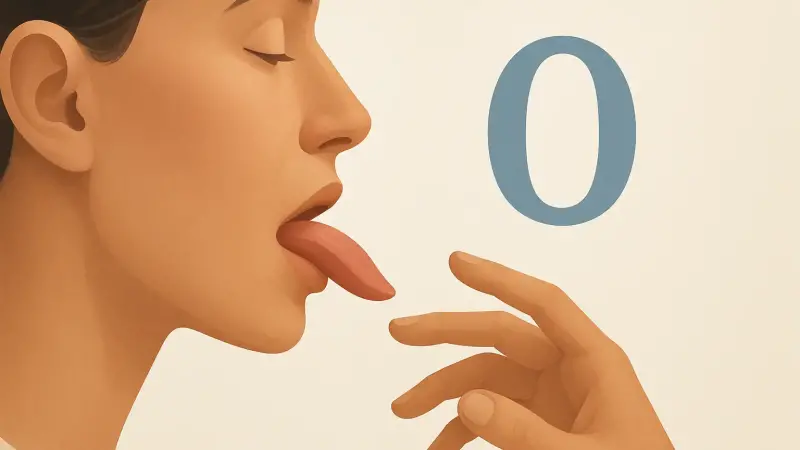
A familiar blank, in ordinary places
It isn’t one single event or place. It shows up in offices, kitchens, classrooms, and on phone calls. Someone is mid-sentence and suddenly can’t produce a name they know they know. “It starts with a K,” they say, and you can hear the word nearby but not reachable. It happens with “actor names,” street names, the title of a book, even a common noun like “thermometer.” The core mechanism is simple: the memory is there, but the path that usually brings it into speech isn’t completing, so the brain keeps circling partial cues instead of landing on the sound.
Where the word is stored versus how it’s found
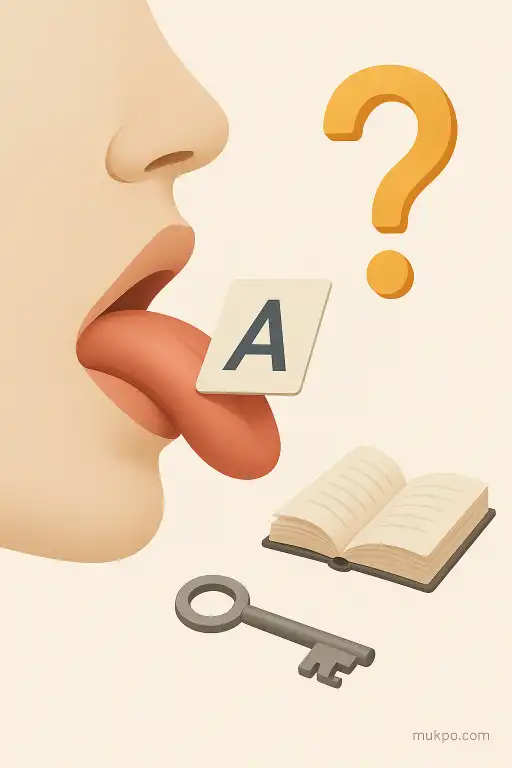
Speech retrieval is not a single file being opened. It’s a set of linked steps. Meaning gets activated first, then the word form, then the sequence of sounds, then the motor plan to say it. A retrieval slip often means the “meaning” part is strongly active—people can describe the thing perfectly—while the phonological form is weak or blocked. That’s why the person can give facts and associations but still can’t say the word.
One overlooked detail is how often the “first letter” feeling is real but misleading. People often report a starting sound because some phonological features are activated without the full word. The system is trying to guess from fragments. It produces a sense of certainty without a finished output, which makes the gap feel especially sharp.
Partial activation: why you can describe it but not say it
Tip-of-the-tongue states usually come with “near misses.” A similar-sounding word pops up. Or a related word appears instead. This is not random. Words that share sounds, rhythm, or meaning sit close in the network, so they rise together. The target word can be active but still lose the race to a neighbor that has an easier route to speech at that moment.
A concrete example: someone tries to say “Meryl Streep,” but “Glenn Close” arrives first. They aren’t confusing the people in general. They are colliding in retrieval because both are in the same semantic neighborhood, and the speaking system needs a specific phonological pattern on demand. The wrong candidate can feel sticky because it keeps getting reactivated by the same cues.
Interference, attention, and the pressure of timing
Retrieval gets harder when the brain is juggling. Conversation forces timing. There’s monitoring of grammar, social cues, and the other person’s reactions, all while the next word is due. That time pressure matters because lexical retrieval is competitive. If attention is split, the “winning” word can be whichever has the strongest momentary activation, not necessarily the one intended.
Interference is another quiet driver. Recently used words prime their own pathways, and they can block nearby alternatives. Even a small detail like having just heard a similar-sounding name can tilt the competition. The result is that the target word feels close, but the system keeps returning to a few wrong options because they are currently easier to access.
Why it sometimes pops out later, without effort
People often report that the missing word appears while doing something else—washing dishes, walking, staring at a shelf. That isn’t magic, and it doesn’t require “trying harder.” The search process can keep running in the background because the semantic target remains activated for a while. When the competing words cool down, or a new cue arrives (a sound, a related thought, a visual reminder), the correct phonological form can finally cross the threshold for speech.
It also helps explain why the feeling is so specific. The mind can be confident the word exists and is retrievable because part of it is already active. The experience is not “forgetting” in the everyday sense. It’s a temporarily incomplete route from knowing to saying, and the route can reopen suddenly when the conditions shift.

Related reads
- Salt chemistry in Enceladus plumes and what it reveals about hidden oceans
- Why the word you need vanishes in the middle of a sentence
- The mirror in a thrift shop that reflects rooms nobody recognizes
- How seagrass meadows bury carbon and reshape coastlines
- The Antarctic brine pocket where microbes breathe metal instead of oxygen
- How a cold rewires your sense of taste and flavor