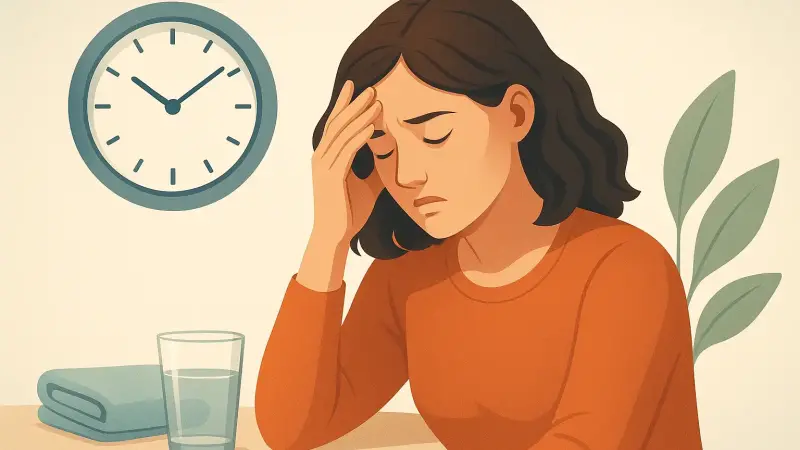
A lot of decision anxiety isn’t about the decision. It’s about how long the decision stays “open” in the mind. This isn’t tied to one place or one event. You can see it in a New York office choosing a health plan, a Tokyo commuter staring at a menu board, or a Berlin parent comparing schools. Short routines calm that feeling by shrinking the number of live choices at any one moment. They turn some steps into defaults. That matters because the brain treats unfinished options like a kind of mental tab that keeps demanding attention, even when nothing new is happening.
Why decisions start to feel physically urgent
Decision anxiety often ramps up when a choice is both uncertain and repeatable. The mind starts running quick simulations: if this, then that, but also what about the other thing. Each loop costs attention. Stress adds another layer. It makes the brain more sensitive to potential losses and social judgment, so even small choices can start to feel loaded.
One overlooked detail is timing. The anxiety spikes less at the moment of picking and more during the stretch when a person is forced to hold the options in working memory. That’s why it can feel worse while walking to the meeting than during the meeting, or worse in the grocery aisle than at the checkout. The “open loop” time is where the pressure builds.
What short routines change in the decision process
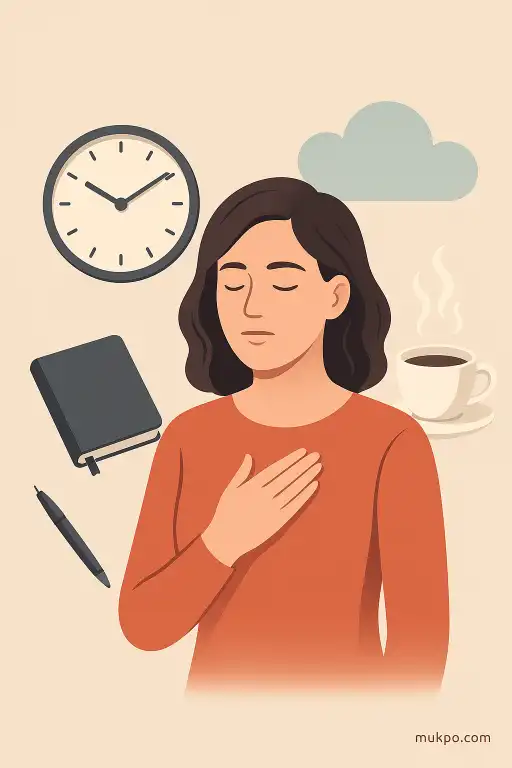
A short routine is a tiny sequence that stays the same: the same first step, the same order, the same trigger. It doesn’t remove uncertainty from life, but it moves parts of a situation out of active choice. Instead of choosing from scratch, the person follows a known path until a true decision point appears. That reduces how many comparisons have to be made while also reducing how long the decision stays mentally “open.”
There’s also a control effect. Anxiety gets louder when someone can’t tell whether they’re making progress. Routines create visible progress markers. “Step one is done” is concrete. It narrows attention to what’s next instead of what might be wrong. The decision becomes a smaller object, not a room full of possibilities.
How routines cut down the number of live options
Most decisions aren’t one decision. They’re stacks. Choosing a laptop contains sub-choices about budget, brand trust, timing, warranty, and fear of regret. A short routine can quietly collapse those stacks by pre-answering some questions the same way each time. Not as “the best answer,” just as a stable answer. Stability reduces the mental cost of re-litigating old debates.
The overlooked detail here is friction. If a routine removes tiny bits of friction—where to put the keys, how to start a task, which tab to open first—then fewer micro-decisions are required to get moving. Those micro-decisions look harmless, but they add up and create a background sense of being cornered by choices. Less friction means fewer chances for the mind to restart the argument.
A concrete example: the “two-minute start” at work
Picture a person in a typical open-plan office. They sit down and feel immediate pressure: email, chat messages, a report due, and an unanswered question from a manager. The anxious part isn’t only workload. It’s that every next action feels like a statement about priorities. If they answer email first, they’re “the email person.” If they open the report, they’re “ignoring messages.” The decision feels social as well as practical.
A short routine changes the first minute. The person always opens the same document or task list first, scans for a single constraint (a meeting time, a deadline), then takes one tiny action that is too small to debate. The key detail people miss is that the relief often comes before any real progress is made. The mind relaxes because the choice set just got smaller, and the “what do I do first?” question is no longer up for negotiation.
Why it feels calming even when nothing is solved yet
Short routines tend to work on the boundary between emotion and attention. They reduce scanning. They reduce switching. They also reduce the sense that a person must defend their choice to themselves every few seconds. That self-argument is exhausting, and it often masquerades as “being careful.”
There’s also a learning effect. When the same small sequence happens repeatedly, the brain predicts it more easily. Predictability lowers the amount of monitoring required. The situation can still be hard, and outcomes can still be unclear, but the first steps stop feeling like a gamble. That small drop in vigilance is often enough for decision anxiety to stop dominating the moment.
Related reads
- The 1814 London brewery disaster that flooded streets with porter
- The town that resurfaces from a reservoir when waters fall
- How octopus suckers taste to choose prey
- A waterfall with a natural flame burning behind it
- The habit of replaying past conversations
- Why kitchen lemons grow tiny roots when left in jars