
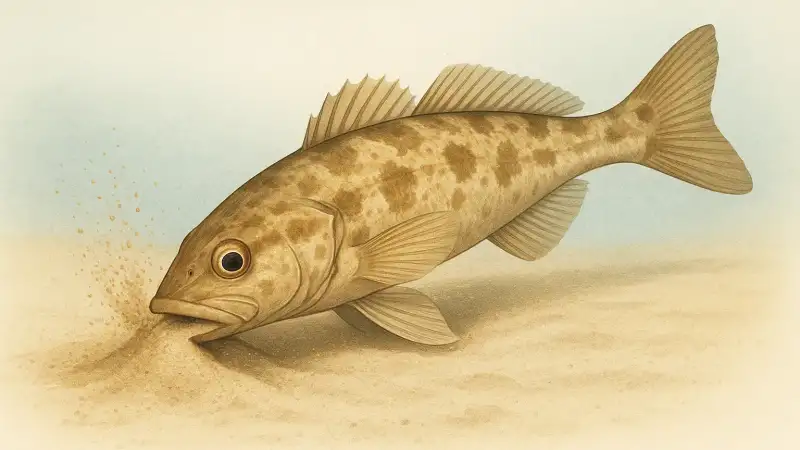
Watching a fish “chew” sand
There isn’t one single beach where this happens. You can see versions of it on Indo‑Pacific reefs, including the Great Barrier Reef in Australia, the Red Sea, and Hawaiʻi. A parrotfish will glide over coral, bite, and then you’ll notice something odd: it also works gritty sand through its mouth like it’s doing maintenance. The core trick is abrasion. Those grains act like an abrasive surface that helps wear down tiny high spots, keeping the fish’s biting edges shaped for scraping hard food.
Which fish, and what part is being reshaped
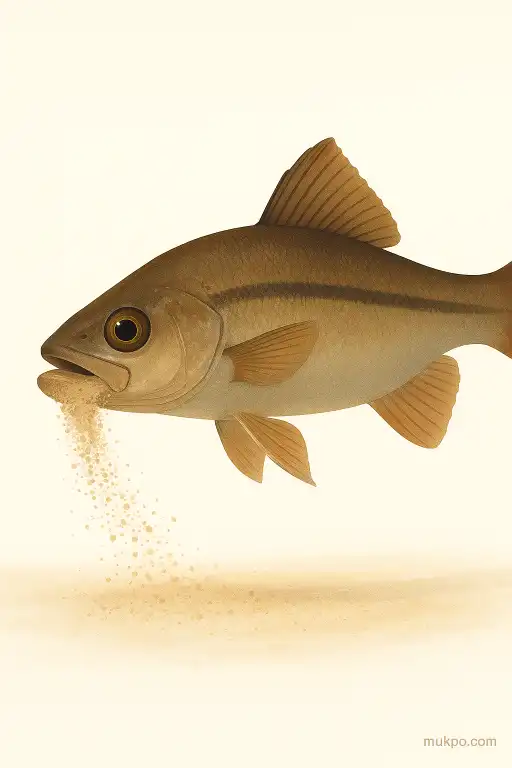
This is most associated with parrotfishes (family Scaridae). They don’t have “teeth” in the way most people picture. Many species fuse their teeth into a beak-like plate that meets at the front of the jaw. That biting surface takes real abuse because it’s repeatedly driven into limestone-like coral skeleton and crusty algae. Over time it wears, chips, and develops uneven edges. Sand can help even it out, the same way a rough surface can smooth a burr on a tool.
The overlooked detail is that the mouth isn’t the whole grinding system. Behind the beak, parrotfish have a pharyngeal mill, a second set of crushing plates in the throat. It pulverizes what the beak breaks off. That internal mill also experiences wear, and it’s part of why fine grit passing through the system can matter mechanically, not just as “accidental dirt.”
How sand works like a file
Hard surfaces get sharper and duller in predictable ways. When a parrotfish scrapes, the beak’s edge can develop ridges or tiny fractures. Passing sand across that edge increases abrasion in a controlled, distributed way. It knocks down protruding bits first, because those take the most pressure. That can restore a flatter contact surface between upper and lower plates, which matters when you’re trying to shear a thin layer of algae off rock.
It isn’t always clear how deliberate the “filing” is. Fish don’t need a human-like plan for it to be useful. A behavior can start as incidental ingestion while feeding, then become something the fish repeats because the mechanical effect is beneficial. Scientists describe related processes as functional wear or self-maintenance through abrasion, but the exact intent is hard to prove in the wild.
Why jaws that keep changing are a big deal on reefs
Parrotfish feed on stuff that is basically glued to rock. Turfs of algae, crustose coralline algae, and microscopic films can be tough and slippery at the same time. If the biting surface gets too rounded or uneven, each bite removes less. That raises the cost of feeding. Keeping a workable edge helps the fish stay efficient without needing a brand-new set of teeth every time the surface wears down.
This sits alongside a second, more famous reef effect: parrotfish produce sand. After the beak scrapes and the throat mill crushes, a lot of what comes out is fine carbonate sediment. On some reefs, that contributes noticeably to the sandy areas people swim over. The point most people miss is that the “sand-making” and the “sand-using” can be linked by the same machinery: scraping, grinding, and abrasion all in one digestive path.
What you can notice if you watch closely
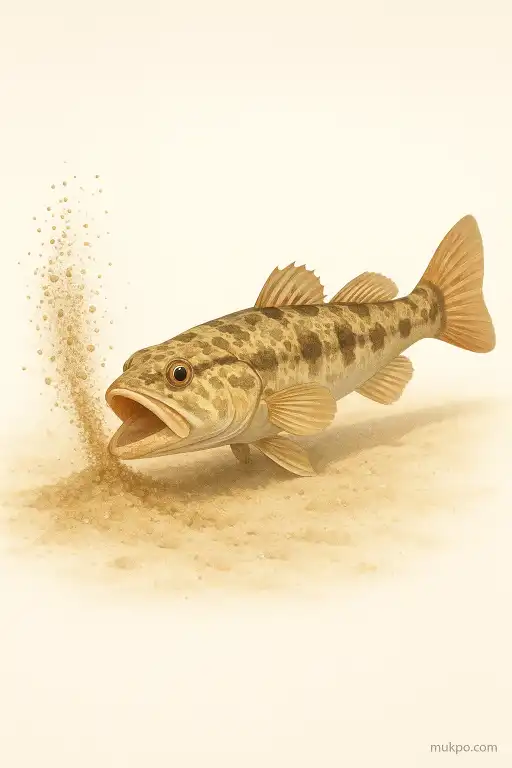
A concrete scene is a shallow reef flat at low tide, where parrotfish have easy access to both hard substrate and loose grains. A fish will take repeated bites from a patch, then angle down and mouth the bottom, working its jaws for a moment before moving on. The chewing looks similar either way, but the sound can change: scraping coral is often a sharp, distinct crunch, while sand is softer and more muffled.
Another detail that’s easy to miss is how much wear is “expected” in these animals. Their feeding tool is built to be consumed and renewed. Teeth grow continuously in many parrotfish, and the biting plates are a moving, renewing surface rather than a permanent edge. Sand abrasion doesn’t replace that biology. It just helps keep the working face in a usable shape between those slower cycles of growth and replacement.
Related reads
- Why imagined confrontations can feel physically exhausting
- The man who survived seven lightning strikes
- The cramped shipboard trial that made citrus the Royal Navy’s cure for scurvy
- The lichen that drinks rock vapor to survive deserts
- How a single brief apology can dissolve social tension
- The plankton that weaves glass armor from seawater silica