How a Second Empire impresario tried to replace Parisian musicians with clockwork automatons
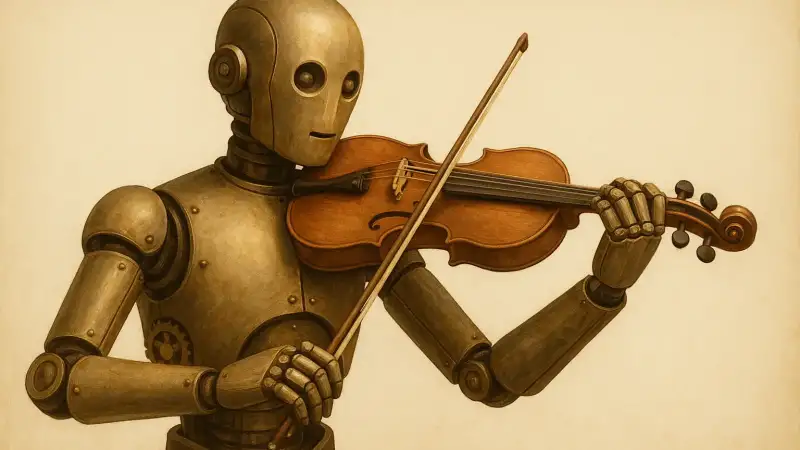
A simple question behind the gimmick Why pay an orchestra when you can pay a machine once?

A simple question behind the gimmick Why pay an orchestra when you can pay a machine once?
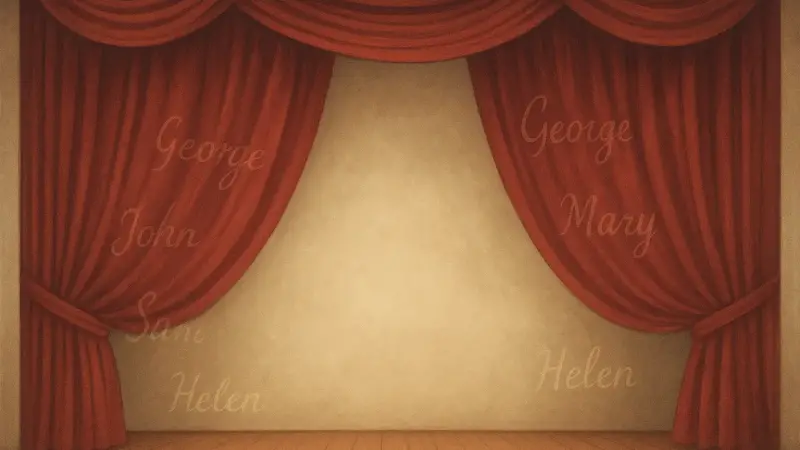
People sometimes swear an old theater curtain “keeps” names.

A missing object can be easier to live with than the paperwork it leaves behind.

When your ears don’t get the final say People notice it most on a video call.
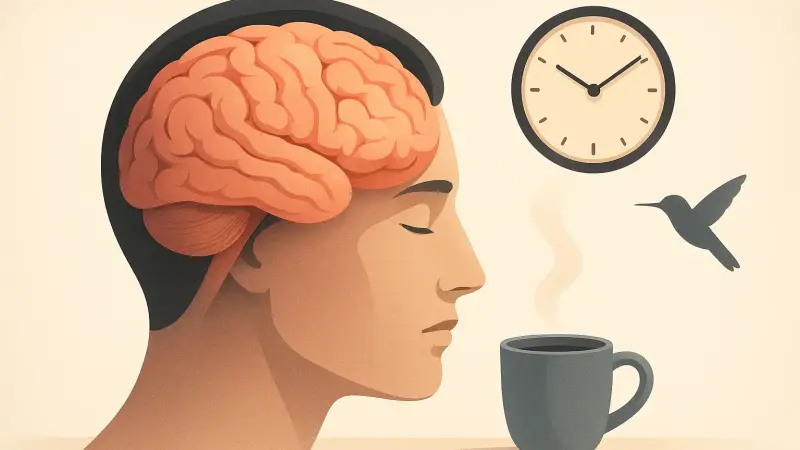
You can be sitting upright with your eyes open and still feel like your brain is running five minutes behind. It’s not one single place or event.

If you put out a feeder, the cast of birds around your street can change fast. It isn’t one single “neighborhood story,” either.
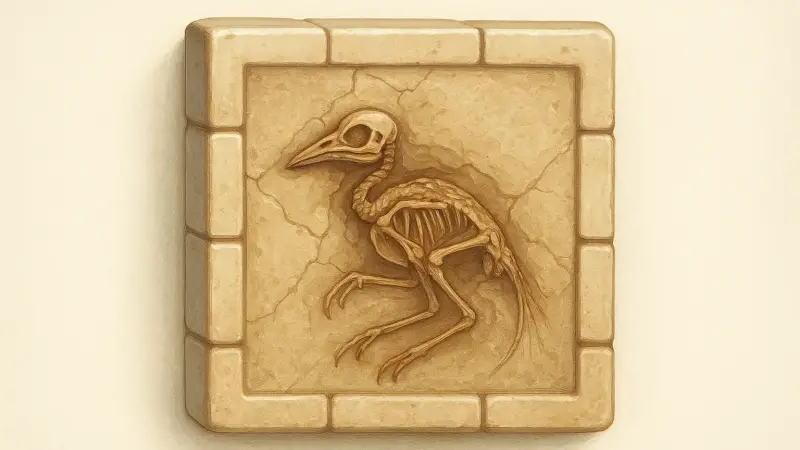
You’re waiting for a train and your eyes land on a white wall tile that isn’t quite blank.

People rarely ask what made Victorian “whitening” products look so good in lamplight. The answer was often simple chemistry, and sometimes it killed.

You can be sitting still and perfectly fine, then a song hits one note and your skin lifts. It’s not one single event or place.