
A normal day, a strange-feeling moment
This isn’t one single event in one place. It happens everywhere, whether someone is in New York, London, or Mumbai. A phone lights up with a text from a friend you were just thinking about. You glance at a clock and it’s 11:11. A song you associate with a specific person plays in a café right after you remember them. None of those things is rare on its own. The mechanism is that the brain is always sorting noise from signal, and it hates wasted attention. When two ordinary things line up, the match can feel like a message because it gets treated like a pattern worth noticing.
Coincidences are common because there’s so much to match
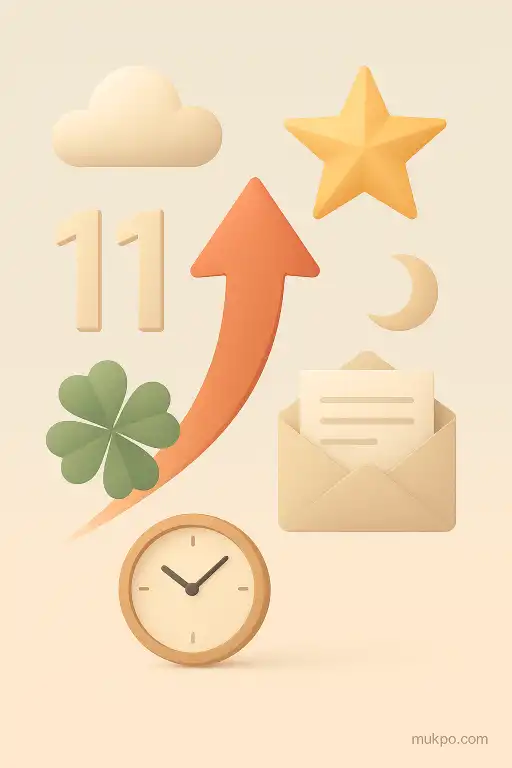
Daily life is packed with repeatable elements. Names repeat. Numbers repeat. Places repeat. People move through the same apps, streets, and schedules. When the pool of possible “hits” is huge, matches aren’t surprising in the statistical sense, even if they feel surprising in the moment. A person doesn’t need a rare chain of events to get a coincidence. They just need enough opportunities for overlap.
A detail people often overlook is how wide the brain’s definition of a “match” can be. It isn’t only exact matches, like the same full name or the same date. It’s partial matches too. A similar name. The same first letter. A number that “counts” because it’s culturally loaded, like 13 or 11:11. When the rules for matching are flexible, coincidences multiply quietly.
Attention locks onto the hit and drops the misses
People experience the “hit” as vivid because attention snaps to it. The misses slide by without leaving a mark. Someone checks the time dozens of times in a week. Most of those times are emotionally blank and get forgotten. The one time the clock shows 11:11 gets stored, told, and re-told. The memory doesn’t just keep the number. It keeps the feeling of noticing it.
This filtering also happens with people. A person can think of many acquaintances without anything happening. When one of them calls right after, the timing becomes the whole story. The rest of the day’s unreturned thoughts don’t feel like data. They feel like nothing, so they don’t compete with the one striking moment that did produce a connection.
Meaning arrives fast because the mind prefers coherent stories
Once a coincidence is noticed, the next step often happens automatically: the mind tries to explain why it mattered. A pattern without meaning is unstable. So the brain tests interpretations at high speed. Was that a warning. A reassurance. A “sign” to take a path or avoid one. Even if a person doesn’t believe in signs, the mind still runs the meaning-making process because it’s a normal way of organizing experience.
Context decides which meaning gets picked. If someone is anxious, the coincidence leans ominous. If someone is hopeful, it leans encouraging. If someone is grieving, it can feel like contact. The same kind of overlap—a familiar song at the right moment—can land as comfort or as a jolt depending on what’s already emotionally active.
Environment and culture supply “sign-shaped” triggers
Modern environments are built to repeat things back to people. Algorithms surface reminders, “memories,” and familiar content. Ads follow themes a person recently searched. Notifications arrive in clusters. It can create the sensation that life is responding, when a lot of it is simply systems re-presenting recent inputs. A person sees the same phrase twice in a day and it feels targeted. It may just be the result of how feeds recycle popular wording.
Culture also teaches which coincidences are “eligible” to be meaningful. 11:11 has a ready-made interpretation in many English-speaking spaces. Certain animals, songs, or symbols get treated as messages in specific communities, and that varies by region and family. When a coincidence arrives in a form that already has a shared meaning, it’s easier to experience it as intentional, because the interpretation is already waiting.
Related reads
- A village where fish rain down after storms
- The urge to check your phone when nothing new has arrived
- The fish that uses sand like a file to reshape its jaws
- Why imagined confrontations can feel physically exhausting
- The man who survived seven lightning strikes
- The cramped shipboard trial that made citrus the Royal Navy’s cure for scurvy