
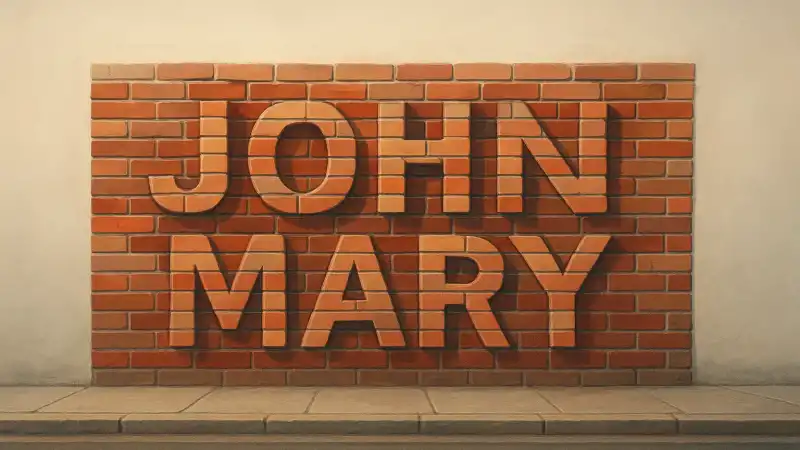
How a wall can “change” overnight
At first glance it reads like a trick: a mural built from bricks, and at dawn the wall spells a different name than it did at midnight. This isn’t one documented, famous installation with a known address. It’s the kind of idea that shows up in different forms, from kinetic public art in places like New York City to light-driven street pieces in Berlin, to festival builds in Melbourne. The core mechanism is usually less magical than it sounds. The wall stays put. What changes is which surfaces are readable when the morning light arrives.
“Rearranging” is often a spectator’s word for it. If the letters appear only when the sun hits from a certain angle, it can feel like the bricks moved. And if you only ever see it on the way to work, you’ll swear it’s the wall doing something at dawn.
The easiest trick: two messages on one set of bricks
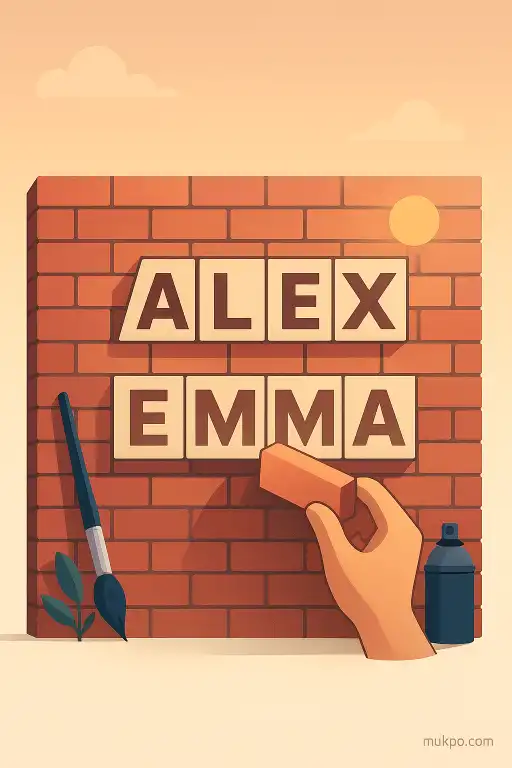
A common way to build this is to treat each brick like a little sign with more than one face. Think of a shallow, brick-sized wedge or a brick with a slanted front. One side is painted to be part of one name. The other side is painted for a different name. At night, a streetlamp from one direction makes one set of faces bright and the other set dark. At dawn, the sun flips the contrast. The same physical wall now “spells” something else.
The overlooked detail is how much this depends on the exact height and position of the light source. A lamp on a tall pole creates different shadows than headlights, and both are different from the low, horizontal sun. Artists who plan these pieces care about the daily path of light, but also about what’s across the street. A new awning, a parked delivery truck, or a tree that leafs out in spring can erase half a letter.
Why it tends to happen at dawn, not “whenever”
Dawn is when long shadows are most predictable and dramatic. The sun is low, so texture matters. Mortar lines, chips, and small offsets between bricks cast crisp edges that disappear once the sun gets higher. That means a wall can have a message that is basically invisible at noon, even if you’re standing right in front of it.
Another reason is how people actually see these walls. At dawn, you’re often moving past them at a steady pace, from the same direction, on the same route. So the wall gets “read” in a narrow viewing window. A letter made from shadows only has to hold together for two seconds as you walk or bike by. If you stop and change angles, the trick can fall apart fast.
Real movement is possible, but it’s usually hidden
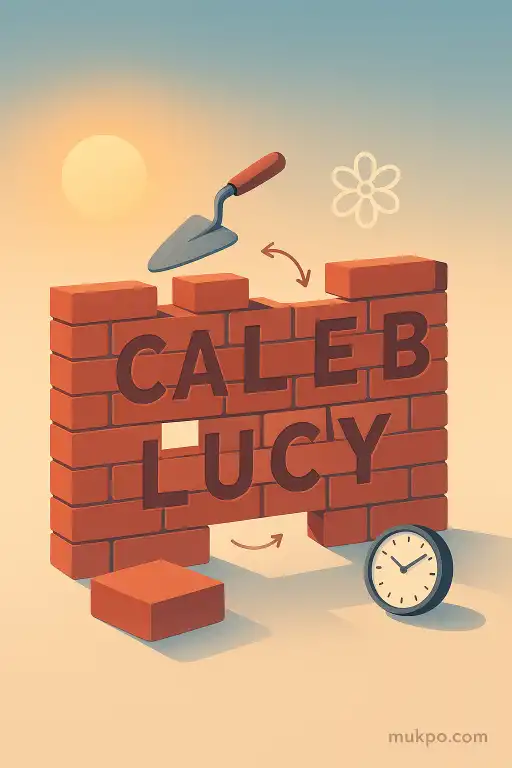
Some murals really do shift parts. But it’s rarely each brick sliding around in a solid masonry wall. It’s more likely a façade built to look bricklike: panels, tiles, or brick slips mounted on a frame. That frame can hold rotating elements, flip-down faces, or small shutters that open on a timed latch. If there’s motion, it’s usually modest, because street pieces have to survive weather, curious hands, and vibration from traffic.
When motion is involved, the timing is often not the sun itself. It can be a light sensor that reacts when ambient light crosses a threshold, or a simple timer synced to local sunrise changes. The piece still “happens at dawn,” but the wall is responding to brightness, not to a calendar. That’s why on overcast mornings the switch can look late, or not happen at all.
How names get chosen, and why they keep changing
If the wall spells names, it usually isn’t random. The names might be tied to a neighborhood memorial, a missing-persons campaign, or a rotating set of honorees. But sometimes it’s more local and informal. A shop changes ownership. A building gets renamed. A wall becomes a place where people look for a name they care about. The “new names at dawn” idea fits that social rhythm, because it turns a daily commute into a roll call.
One small thing people miss is maintenance. A shadow-based letter needs sharp edges. Over time, dust fills mortar grooves, paint fades, and small chips soften the contrast. Even pressure-washing can change the readability by brightening one face more than another. So when someone says the wall “spelled a different name today,” it can be the light, but it can also be yesterday’s rain cleaning one side just enough to make a new set of letters pop.
Related reads
- How a single antibiotic reshapes your gut microbiome
- The park fountain that refilled itself with freshwater during a drought
- A radio frequency that broadcasts the same lullaby across three countries
- Why certain minerals split light into rainbow halos
- A mailbox that returned postcards stamped before anyone living remembered
- Hy-Brasil the phantom island that haunted medieval maps off Ireland